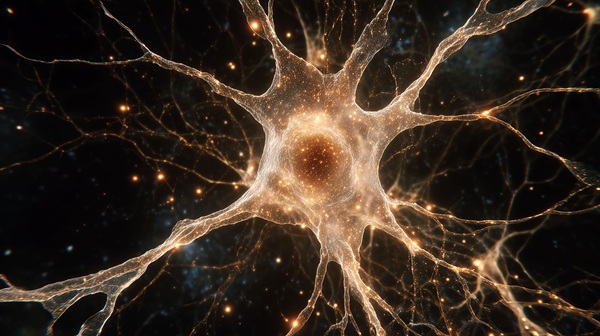
Melanoma Cells Retain a Functional Self-Destruct Mechanism
By LabMedica International staff writers
Posted on 14 Aug 2009
A team of American and Spanish cancer researchers has found that melanoma cells retain a mechanism for self-digestion and apoptosis that can be initiated if the correct trigger mechanism is activated.Posted on 14 Aug 2009
Investigators from Virginia Commonwealth University (Richmond, USA) and the Spanish National Cancer Research Center (Madrid) employed both cellular systems and genetically engineered mouse models as they attempted to jump-start the autodestruct mechanism in melanoma cells.
The successful method was described in the August 4, 2009, issue of the journal Cancer Cell. In this study, the investigators reported that the pathway begins with the melanoma differentiation-associated gene-5 (mda-5), which activates a protein called NOXA. The expression of NOXA (phorbol-12-myristate-13-acetate-induced protein 1) is regulated by the tumor-suppressor p53, and NOXA has been shown to be involved in p53-mediated apoptosis.
"The present research provides a path that could lead with further studies and a phase I clinical trial for safety to the development of a strategy that reenergizes the immune system to destroy this highly aggressive cancer,” said contributing author Dr. Paul B. Fisher, professor of human and molecular genetics at Virginian Commonwealth University.
Related Links:
Virginia Commonwealth University
Spanish National Cancer Research Center




Platinum Member

Automated Coagulation Analyzer
Hemolumi H6
Gold Member

Fully-auto Specific Protein (Nephelometry) Analyzer
PA240

Automatic CLIA Analyzer
Shine i6000
New

MR-proADM Test
B•R•A•H•M•S MR-proADM KRYPTOR test