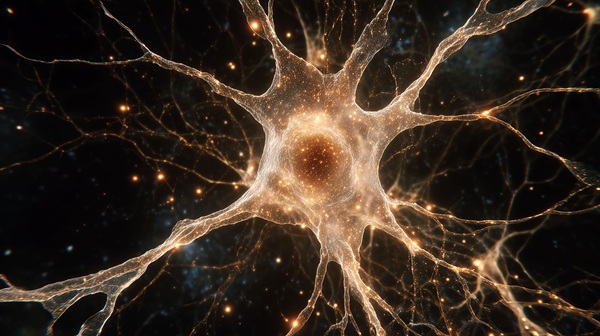
Activation of Embryonic Genes Heals Heart Attack Damage
By LabMedica International staff writers
Posted on 22 Apr 2009
A promising approach to healing heart muscle tissue damaged during a heart attack is to enable the genes that were active when the embryonic heart was first being formed.Posted on 22 Apr 2009
Since the protein thymosin beta-4 (TB4) is beneficial for myocardial cell survival and essential for coronary development in embryos, investigators at the University of Texas Southwestern Medical Center (Dallas, USA) hypothesized that it may reactivate the genes responsible for embryonic developmental and initiate mobilization of heart muscle progenitor cells in adult mammals.
To study the affect of TB4 the investigators worked with cardiac cells growing in tissue culture and with a mouse heart attack model. Results published in the May 2009 issue of the Journal of Molecular and Cellular Cardiology (JMCC) revealed that in tissue culture TB4 stimulated capillary-like tube formation of adult coronary endothelial cells and increased embryonic endothelial cell migration and proliferation.
In experiments with adult mice the investigators assessed the effect of TB4 on new blood vessel growth after inducing heart attacks in the animals and then treating them with TB4. An examination of the capillary smooth muscle showed a significant increase in capillary density in the heart three days following treatment near the site of the heart attack.
TB4 triggered a biochemical cascade that resulted in the increase of protein kinase C (PKC) activity in vitro and in vivo. Inhibition of PKC resulted in significantly reduced epicardial thickening, capillary growth, and the number of myocardial progenitors. These results allowed the investigators to conclude that, "TB4 is the first known molecule capable of organ-wide activation of the embryonic coronary developmental program in the adult mammalian heart after systemic administration and that PKC plays a significant role in the process."
"This molecule has the potential to reprogram cells in the body to get them to do what you want them to do," said senior author Dr. J. Michael DiMaio, associate professor of cardiothoracic surgery at the University of Texas Southwestern Medical Center. "Obviously, the clinical implications of this are enormous because of the potential to reverse damage inflicted on heart cells after a heart attack."
Related Links:
University of Texas Southwestern Medical Center




Platinum Member

Automated Coagulation Analyzer
Hemolumi H6
Gold Member

Blood-Based Protein Biomarker Solution for Alzheimer's Disease
BG-DTi2000.
New

Automated Immunoassay Analyzer
SuperFlex™

Hematology Consumables
Bioblood Devices