Intervertebral Discs Bioengineered in the Laboratory
By LabMedica International staff writers
Posted on 29 Jan 2009
A new collaboration between U.S. physician-scientists has led to the creation of bioengineered intervertebral discs (IVDs) in the laboratory, for transplantation into the spines of rats.Posted on 29 Jan 2009
Each year, 40-60% of adults suffer from chronic back pain in the United States alone. For patients diagnosed with severe degenerative disc disease, neurosurgeons must perform surgery called discectomy--removing the IVD--followed by a fusion of the vertebrate bones to stabilize the spine. Even after all that effort, the patient's back, in all probability, will not feel the same as before their injury.
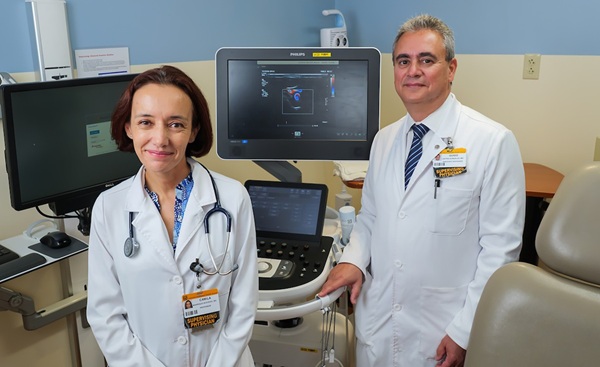
To create new spine discs, Drs. Roger Härtl and Lawrence Bonassar from Weill Cornell Medical College (New York, NY, USA) and basic science researchers at Cornell University (Ithaca, NY, USA) are using cells from IVD tissue of human patients who have had their spinal discs removed. Dr. Härtl is a well-known neurologic surgeon at New York-Presbyterian Hospital/Weill Cornell Medical Center (New York, NY, USA), and assistant professor of neurological surgery at Weill Cornell Medical College, and Dr. Bonassar is an associate professor in the departments of biomedical engineering and mechanical and aerospace engineering at Cornell University.
In the process, Dr. Härtl harvests tissue from the removed discs and sends it to Dr. Bonassar. Cells are then isolated from this tissue and grown in an incubator that simulates the environment in the body. Once developed, they are placed on a bioengineered scaffold, enabling the assembly of the cells and scaffold into an IVD-shaped implant. The researchers then surgically implant the discs inside a rat's spine in order to see how the tissue reacts to the mechanical and biologic demands. So far, results are promising.
The researchers hope to soon evaluate the bioengineered discs in human subjects in a clinical trial, so that someday individuals can receive spare parts for their aging or injured backs.
Related Links:
Weill Cornell Medical College




Platinum Member

Automated Coagulation Analyzer
Hemolumi H6

Gold Member

Blood-Based Protein Biomarker Solution for Alzheimer's Disease
BG-DTi2000.

Electrolyte Analyzer
BKE-B
New

Alzheimer's Disease Biomarker Assay
Elecsys Phospho-Tau (217P) Plasma