Heat Shock Protein 70 Partially Protects Motor Neurons in ALS Mouse Model
By Biotechdaily staff writers
Posted on 24 Dec 2007
Researchers have found that heat shock protein 70 (Hsp70) could partially protect the motor neurons of mice genetically engineered to develop amyotrophic lateral sclerosis (ALS, or Lou Gehrig's disease).Posted on 24 Dec 2007
Hsp70 proteins can act to protect cells from thermal or oxidative stress. These stresses normally act to damage proteins, causing partial unfolding and possible aggregation. By temporarily binding to hydrophobic resides exposed by stress, Hsp70 prevents these partially denatured proteins from aggregating, and allows them to refold. Hsp70 also aids in transmembrane transport of proteins, by stabilizing them in a partially folded state. Furthermore, Hsp70 seems to be able to participate in disposal of damaged or defective proteins.
Investigators at the Wake Forest University School of Medicine (Winston-Salem, NC, USA) worked with the G93A SOD1 line of mice that were genetically engineered to develop ALS. One group of mice was injected with a recombinant version of Hsp70, beginning 50 days after birth. A second group received Riluzole, the only ALS treatment approved by the [U.S.] Food and Drug Administration, while a third group received a placebo.
Data collected during the experiment and published in the November 28, 2007, issue of the Journal of Neuroscience revealed that the administration of rhHsp70 was effective at increasing lifespan, delaying symptom onset, preserving motor function, and prolonging motor neuron survival. The drug increased the lifespan of the animals by about 10%, thus being about 10 times more effective than Riluzole.
"The protein seems to work at the neuromuscular junction,” said first author David Gifondorwa, a Ph.D. student at Wake Forest University School of Medicine. "Because current ALS treatments work at the spinal cord, our finding suggests the possibility of a cocktail that works to prevent damage in both locations may prove more beneficial. This is another piece in the puzzle of what causes ALS and how to best treat it. It is possible that one day a treatment based on this finding could be part of a cocktail for attacking the disease from different fronts.”
Related Links:
Wake Forest University School of Medicine




Platinum Member

Automated Coagulation Analyzer
Hemolumi H6
Gold Member

NEW PRODUCT : SILICONE WASHING MACHINE TRAY COVER WITH VICOLAB SILICONE NET VICOLAB®
REGISTRED 682.9

New
Silver Member

Connectivity Solution
EKF Link
New
Gold Member

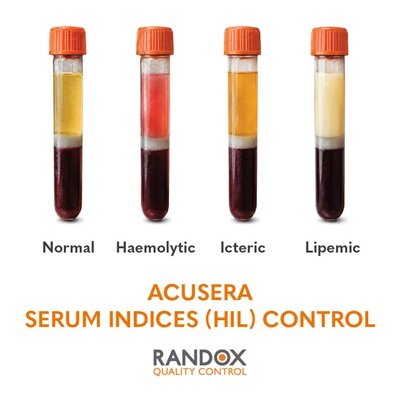
Serum Indices Control
Acusera Serum Indices Control