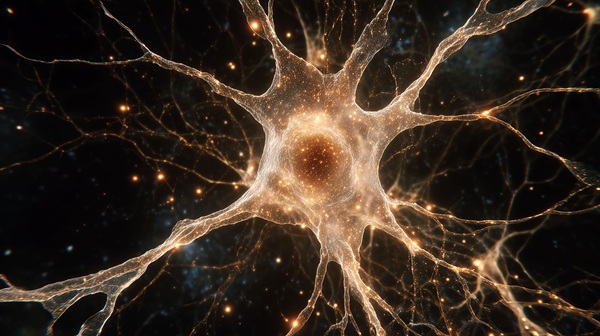
Diagnostic Marker for Infection in Peritoneal Dialysis Discovered
By Biotechdaily staff writers
Posted on 22 Oct 2007
Levels of a protein marker increase with infection in kidney failure patients undergoing peritoneal dialysis. Posted on 22 Oct 2007
During the peritoneal dialysis procedure, a tube is placed into the peritoneal cavity and allows people who have suffered from kidney failure to carry on a relatively normal life. However, complications include a high incidence of infection of the abdominal cavity, known as peritonitis.
In a three-year study of the receptor-interacting protein (RIP2), scientists found that levels of the molecule increase during infection. More importantly, peritoneal dialysis patients with peritonitis who have high levels of RIP2 can be sent home with antibiotics. If RIP2 levels do not go up, patients are at risk of a protracted infection and should be hospitalized for closer monitoring and more intense treatment.
The leader of the team that conducted the study, Dr. Joaquin Madrenas from the Robarts Research Institute (Ontario, Canada) and the University of Western Ontario (Ontario, Canada), said, "We currently have no objective indicator if peritonitis will be really bad, so we tend to try to guess how bad it is. What we have found is that, by monitoring RIP2, we can predict the outcome of the infection in patients taking part in peritoneal dialysis.”
By keeping patients out of hospitals, this discovery not only helps improve the quality of life of the patient, but also reduces strain on the healthcare system. The team will now try to adapt the discovery to a clinical laboratory and develop a diagnostic test that can be conducted with a patient's peritoneal fluid on a routine basis. Dr. Madrenas also wonders if there are other factors preventing RIP2 levels from increasing in some patients. "If we know what problem is preventing this increase, we could fix it and possibly prevent infections,” he said.
Related Links:
Robarts Research Institute
University of Western Ontario




Platinum Member

Automated Coagulation Analyzer
Hemolumi H6
Gold Member

Electrolyte Analyzer
CBS-4000 (CBS-400)
New

Slide Scanner System
NanoZoomer S540MD
New

Gastrointestinal Panel
Xpert® GI Panel