Molecular Probe Lights up Proteases in Tumors
By Biotechdaily staff writers
Posted on 20 Sep 2007
Scientists have developed a molecular probe that sets aglow tumor cells within living animals. This could ultimately be used to improve diagnosis and treatment of cancer and other diseases.Posted on 20 Sep 2007
The probe's main ingredient is a molecule that labels active proteases--protein-destroying enzymes--that run amok in cancerous cells. The molecule is normally invisible to the naked eye but it carries a fluorescent tag that lights up when it binds to the protease. The tag beams out near-infrared light that passes through skin and is detectable with a special camera. The use of the technique in mice was described in a study published in the September 9, 2007, online issue of the journal Nature Chemical Biology.
"Nowadays, the detection of cancer, breast cancer for instance, is normally done by mammography, using X-rays--which might actually increase your risk of cancer. We think these probes may ultimately provide a less harmful, noninvasive method of detecting cancer,” said Galia Blum, Ph.D., a postdoctoral scholar in the laboratory of Matthew Bogyo, Ph.D., assistant professor of pathology at the Stanford University School of Medicine (Stanford, CA, USA).
"The next generation of our experiments will apply the probes during surgery,” said Prof. Bogyo, the study's senior author. "It would be nice to ‘paint' it on tissues so you could distinguish between tumor and non-tumor.”
Professor Bogyo, Dr. Blum, and colleagues designed the probe to bind to a subset of a family of proteases called cysteine cathepsins, which are more active in several types of cancer as well as other diseases. Now they altering with the probe's configuration in an effort to create a variant that recognizes the enzymes involved in apoptosis, the process of cell death. This could eventually allow researchers and doctors to visualize response to chemotherapy in tumors.
Related Links:
Stanford University School of Medicine




Platinum Member

Automated Coagulation Analyzer
Hemolumi H6
Gold Member

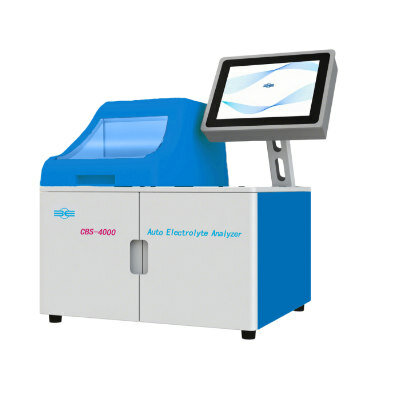
Electrolyte Analyzer
CBS-4000 (CBS-400)
Platinum Member
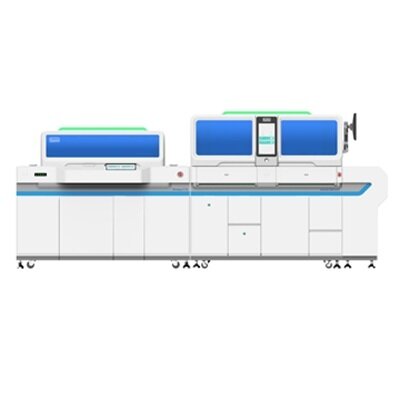
Integrated Biochemical & Immunological System
Biolumi CX Solution X10+C10
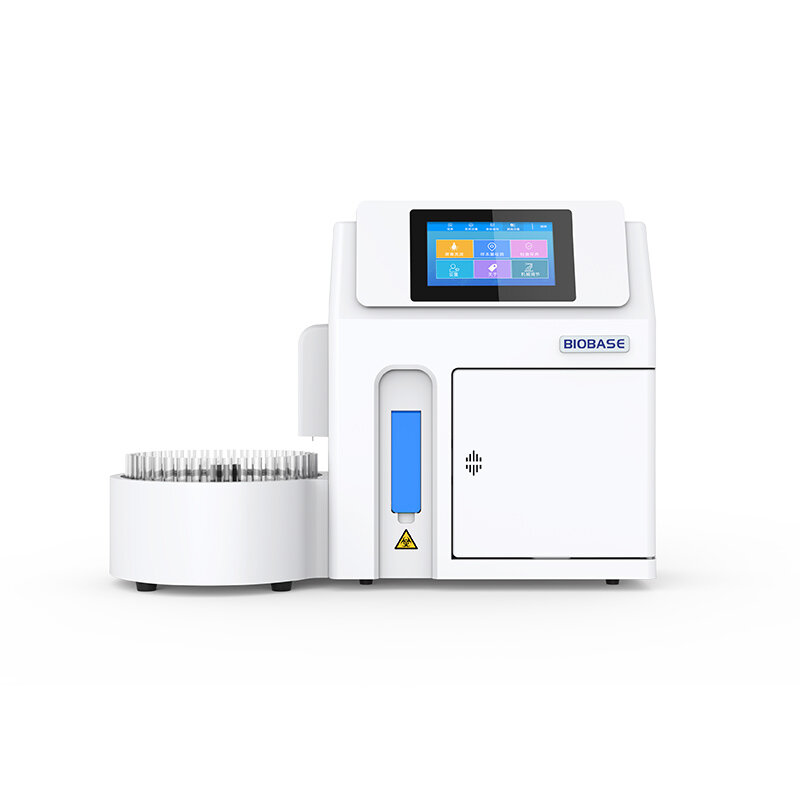

Electrolyte Analyzer
BKE-B