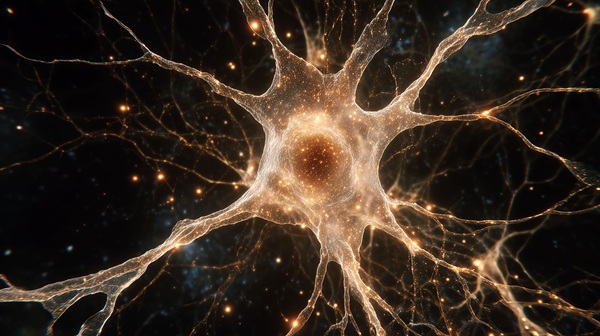
Curry Compound May Help Immune System Flush Plaques Found in Alzheimer's
By Biotechdaily staff writers
Posted on 01 Aug 2007
Researchers have isolated bisdemethoxycurcumin, the active ingredient of curcuminoids (a natural substance found in turmeric root), which may help boost the immune system in clearing amyloid beta, a peptide that forms the plaques found in the brains of patients with Alzheimer's disease (AD). Using blood samples from AD patients, researchers found that bisdemethoxycurcumin boosted immune cells called macrophages to clear amyloid beta.Posted on 01 Aug 2007
Moreover, the researchers, from the University of California, Los Angeles (UCLA; Los Angeles, CA, USA), identified the immune genes associated with this activity. The study provides more insights into the role of the immune system in AD and points to a new treatment approach. The researchers reported that it might be possible to assess a patient's immune response with a blood sample in order to customize treatment. The genes involved in the process, called MGAT III and Toll-like receptors, are also responsible for a number of other major functions in the immune system.
The study's findings also suggest a new drug development application for the disease that differs from the amyloid-beta vaccine. The new technique relies on the innate immune system, which is present at birth instead of on antibodies produced by B cells, which is a later developed part of the active immune system.
The investigators of the study include Dr. Milan Fiala, a researcher with the UC:A David Geffen School of Medicine and the U.S. Veterans Administration (VA) Greater Los Angeles Health Care System, and Dr. John Cashman, director of the Human BioMolecular Research Institute (HBRI) in San Diego, CA, USA.
The study was published in the July 16, 2007, early edition of the Proceedings of the [U.S.] National Academy of Sciences.
Related Links:
University of California, Los Angeles




Platinum Member

Automated Coagulation Analyzer
Hemolumi H6
Gold Member

Blood-Based Protein Biomarker Solution for Alzheimer's Disease
BG-DTi2000.
New

Gastrointestinal Panel
Xpert® GI Panel

CMV CLIA Diagnostic
CLIA CMV IgA Screen Group