New Multi-Detection Microplate Reader Performs Unlimited Number of Assays
By Biotechdaily staff writers
Posted on 30 May 2007
Drug developers and other research scientists now have a new tool: a multi-detection system capable of performing an unlimited number of microplate-based assays. Posted on 30 May 2007
The Synergy 4 developed by BioTek Instruments, Inc. (Winooski, VT, USA), combines two powerful fluorescence detection systems, monochromator-based and filter-based, in one compact unit. Filter-based fluorescence technology provides optimal light filtering and purification for the best sensitivity. The quadruple monochromator-based fluorescence technology offers flexible wavelength selection, true spectral scanning, reduced background noise, and increased convenience.
"The pace of research in life science laboratories demands more flexibility in detection methods. Our goal was to design a multi-detection microplate reader that combines the best of filter-based and monochromator-based fluorescence systems to fulfill the true promise of multi-detection,” said Michael Kontorovich, vice-president of engineering at BioTek Instruments. "By achieving this goal, our customers can now benefit from increased flexibility and true multi-detection in one compact footprint, and as their assay requirements change, the Synergy 4 will seamlessly support their evolution.
Related Links:
BioTek Instruments




Platinum Member

Automated Coagulation Analyzer
Hemolumi H6
Gold Member

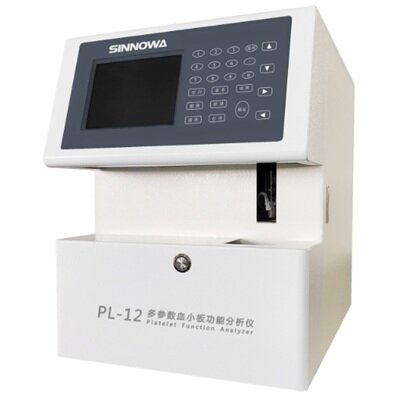
Platelet Function Analyzer
PL-12
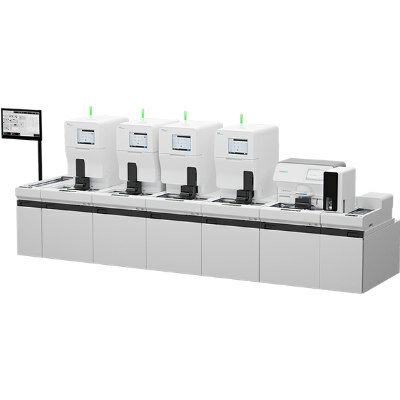

Automated Urinalysis Solution
UN-9000
New

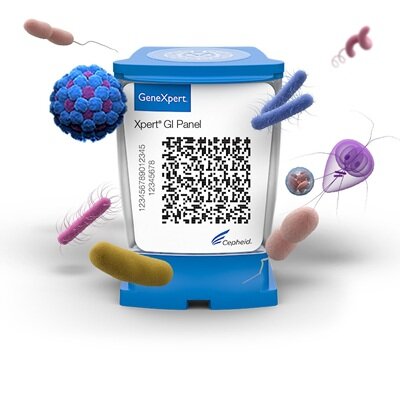
Gastrointestinal Panel
Xpert® GI Panel