Mouse Model Mimics Human Leukemia
By Biotechdaily staff writers
Posted on 07 May 2007
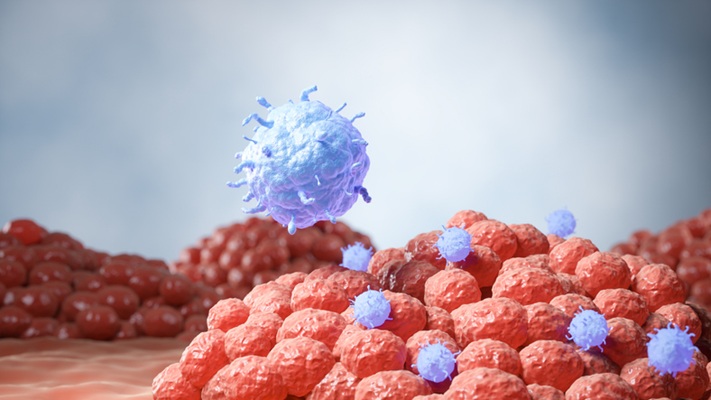
Cancer researchers developed a method to transform normal human hematopoietic cells into leukemia cells and used them to establish a mouse model for human leukemia.Posted on 07 May 2007
Investigators at the University of Toronto (Canada) spliced a specific leukemia gene into the genome of normal human stem cells and injected the genetically altered cells into a line of immunodeficient mice. They reported in the April 27, 2007, issue of Science that the mice then developed myeloid or lymphoid acute leukemias, with features that mimicked the human diseases.
Senior author Dr. John E. Dick, professor of molecular genetics at the University of Toronto, said, "Most human leukemia research involves studying a patient's diseased cells or a cell line grown from those cells. However, since cancer takes many months or years to develop, just studying the cells at the end of the process does not let you know what the series of changes were that caused the cells to become leukemic, and when that happened. With the method we developed, we have duplicated the natural process every step of the way. The method we developed opens the pathway generally to understanding the process of how cancer begins.”
Related Links:
University of Toronto




Platinum Member

Automated Coagulation Analyzer
Hemolumi H6



Portable POCT Blood Gas Analyzer
BD100
Gold Member

Neonatal Heel Incision Device
Tenderfoot