Colon Polyps Detected with Simple Blood Test
By Biotechdaily staff writers
Posted on 26 Mar 2007
Posted on 26 Mar 2007
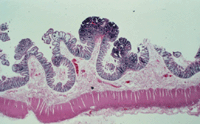
Image
The results demonstrate that the sensitive detection of methylated Septin 9 DNA in blood plasma can reliably indicate the presence of colorectal cancers of all stages. Septin 9 combined in a panel with a second DNA methylation biomarker, ALX4, also detects large polyps. These pre-cancerous lesions have a high likelihood of progressing to malignant tumors.
Epigenomics' (Berlin, Germany) DNA methylation technology is able to detect even a few copies of the methylated forms of these genes in blood plasma samples. Based on this principle, Epigenomics has developed convenient tests for the early detection of colorectal cancer and other cancers.
Methylation is a natural epigenetic process that occurs when a methyl group binds to one of DNA's four bases, cytosine. Methylation is responsible for controlling the activity of genes by turning them off when not needed. Measuring the differences in the methylation patterns between healthy and diseased tissue can be used to detect a change in gene activity that could trigger diseases such as cancer. Similarly, DNA methylation patterns can be used to predict a patient's response to a drug. Epigenomics has developed an industrial process that is able to read and interpret these methylation patterns and use them as biomarkers for developing molecular diagnostic and pharmacodiagnostic tests.
Shifting early detection to pre-cancerous colorectal lesions allows the stratification of high risk individuals who will benefit from endoscopic removal of these lesions,” commented Prof. Mathias Ebert gastroenterologist at the University Hospital of the Technical University of Munich, Germany. Testing for precancerous colorectal lesions thus has the potential to prevent cancers.
Results of collaborative clinical studies within the company's Colorectal Cancer Screening Test Development Program were presented at the Cambridge Healthtech Institute's inaugural conference "Epigenomics” in San Diego (CA, USA).
Related Links:
Epigenomics




Platinum Member

Automated Coagulation Analyzer
Hemolumi H6
Gold Member

Nucleic Acid Extractor System
NEOS-96 XT

Automated Urinalysis Solution
UN-9000
Gold Member

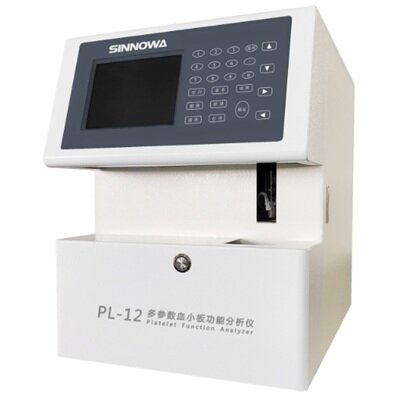
Platelet Function Analyzer
PL-12