Gum Arabic Detoxifies Gold Nanoparticles for Biomedical Use
By Biotechdaily staff writers
Posted on 14 Mar 2007
Nanotechnology researchers have used gum arabic as a matrix to stabilize and detoxify gold nanoparticles that can then be used for diagnostic or therapeutic purposes.Posted on 14 Mar 2007
Gold nanoparticles (AuNPs) have exceptional stability against oxidation, and it is therefore expected that they will play a significant role in the progress of clinically useful diagnostic and therapeutic nanomedicines. However, despite the huge potential for a new generation of AuNP-based nanomedicinal products, development of suitable, non-toxic AuNPs has proven to be difficult.
Gum arabic (GA) consists of a mixture of lower molecular weight polysaccharide and higher molecular weight hydroxyproline-rich glycoprotein. Because it is a mixture and the material varies significantly with source, the exact molecular structures are rather uncertain. Its glycoprotein is a high molecular weight hydroxyproline rich arabinogalactan with contiguous hydroxyprolines, oligo-alpha-1,3-L-arabinofurans, and non-contiguous hydroxyprolines galactose residues of oligo-arabinogalactans combining a beta-1,3-galactopyran core with rhamnoglucuronoarabinogalactose pentasaccharide side chains. The simultaneous presence of hydrophilic carbohydrate and hydrophobic protein provides its emulsification and stabilization properties. Emulsification is particularly enhanced due to molecular flexibility that allows greater surface interaction with the oil droplets.
In the current work, which was published in the February 2007 issue of Small, investigators from the University of Missouri (Columbia, USA) (1) used gum arabic to synthesize and stabilize nontoxic GA-AuNPs;(2) used GA-AuNPs for in vitro analysis and in vivo pharmacokinetics studies in pigs to gain insight into the organ-specific localization of this new generation of AuNP vector, and (3) performed x-ray computed tomography (CT) contrast measurements of GA-AuNP vectors to evaluate their potential utility in molecular imaging.
Results of these studies demonstrated that naturally occurring GA could be used as a nontoxic phytochemical construct in the production of readily administrable biocompatible AuNPs for diagnostic and therapeutic applications.
Senior author Dr. Kattesh Katti, professor of radiology and physics at the University of Missouri, said, "We found that gum arabic can effectively "lock” gold nanoparticles to produce nontoxic, nanoparticulate constructs that can be used for potential applications in nanomedicine. We have developed a new class of hybrid gold nanoparticles that are stable and can be administered either orally or through intravenous injection within the biological system.”
Related Links:
University of Missouri




Platinum Member

Automated Coagulation Analyzer
Hemolumi H6

Gold Member

Platelet Function Analyzer
PL-12
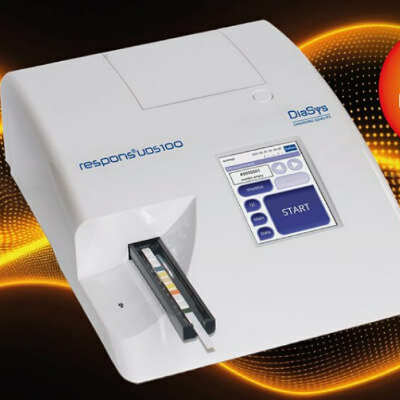
Urine Analyzer
respons® UDS100
New
Gold Member

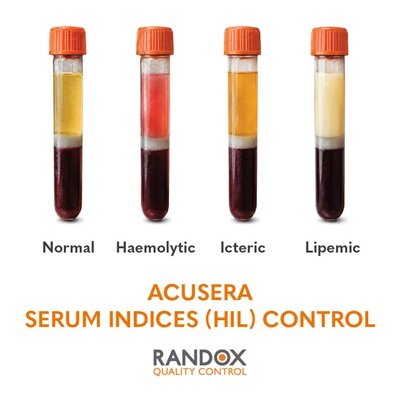
Serum Indices Control
Acusera Serum Indices Control