Anti-inflammatory Compound Fights Childhood Cancer
By Biotechdaily staff writers
Posted on 14 Feb 2007
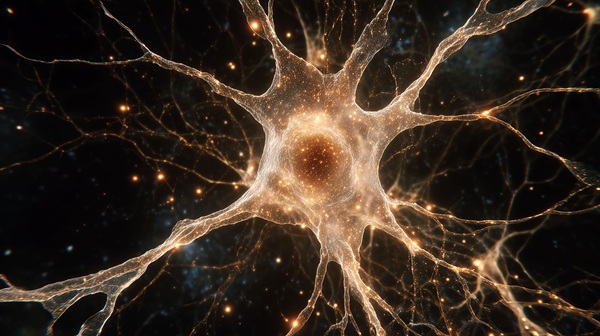
Neuroblastoma is a kind of cancer that develops in the nervous system and it affects small children more frequently than any other tumor type. Now, however, investigators have revealed that a common painkiller can suppress the development of neuroblastoma and help make treatment of the disease more successful. Posted on 14 Feb 2007
The study's findings pertain to celecoxib, an analgesic, anti-inflammatory compound that works by inhibiting the effect of the inflammatory enzyme, Cox-2. In a study presented in the January 15, 2007, journal Clinical Cancer Research, the researchers, from Karolinska Institute (Stockholm, Sweden) have demonstrated that celecoxib is also active against neuroblastoma, a type of tumor that depends on Cox-2 for its growth and proliferation. The researchers have shown that celecoxib has an inhibitory and preventative effect on tumor development in laboratory rats. The compound also proved able to strengthen the effect of different cytostatics currently in use in the treatment of neuroblastoma.
"The painkiller can check the rapid division and growth of the cancer cells and block the blood vessels that supply the tumor with oxygen and nutrients,” remarked Dr. John Inge Johnsen, a childhood cancer researcher from the Karolinska Institutet.
The researchers concluded that celecoxib is a potential anti-neuroblastoma drug, possibly in combination with other drugs. "But it's a matter of finding the right combination, as celecoxib can also counteract the tumoricidal effects of certain cytostatics,” stated Dr. Per Kogner, professor, Karolinska Institute and pediatrician at the Astrid Lindgren Children's Hospital in Stockholm.
The results from cell culture and animal studies were obtained at concentrations that the investigators had earlier measured in children receiving the compound. They now plan to proceed to clinical trials, which will determine the way in which celecoxib can be used to treat neuroblastoma in children.
Related Links:
Karolinska Institute




Platinum Member

Automated Coagulation Analyzer
Hemolumi H6
Gold Member

Nucleic Acid Extractor System
NEOS-96 XT
Gold Member

Fully-auto Specific Protein (Nephelometry) Analyzer
PA240
New

Slide Scanner System
NanoZoomer S540MD