Readily Available Source of Stem Cells Discovered
By Biotechdaily staff writers
Posted on 09 Feb 2007
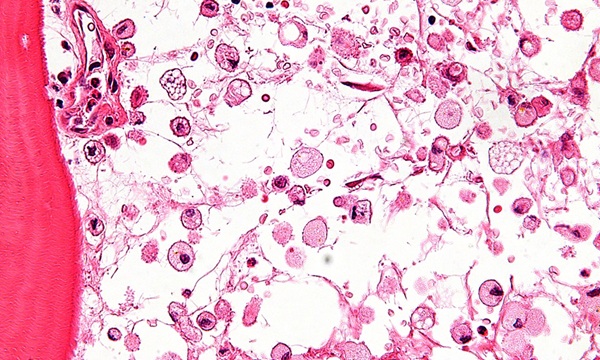
Stem cells from the amniotic fluid that surrounds developing embryos has been used to create muscle, bone, fat, blood vessel, nerve, and liver cells in the laboratory, according to a new study. Posted on 09 Feb 2007
Researchers from the Wake Forest University School of Medicine (Winston-Salem, NC, USA) and Harvard Medical School (Boston, MA, USA) discovered the small number of stem cells in amniotic fluid -estimated at 1% - that can give rise to many of the specialized cell types found in the human body. The scientists believe the newly discovered stem cells, which they have named amniotic fluid-derived stem (AFS) cells, may represent an intermediate stage between embryonic stem cells and adult stem cells; they have markers consistent with both cell types, and are capable of extensive self-renewal.
In addition to being easily obtainable, the AFS cells can be grown in large quantities because they typically double every 36 hours. They also do not require guidance from other cells and they do not produce tumors, which can occur with certain other types of stem cells. The scientists noted that specialized cells generated from the AFS cells included all three classes of cells found in the developing embryo (ectoderm, mesoderm, and endoderm).
"The full range of cells that AFS cells can give rise to remains to be determined,” said lead author Anthony Atala, M.D., director of the Institute for Regenerative Medicine at Wake Forest. "So far, we've been successful with every cell type we've attempted to produce from these stem cells. The AFS cells can also produce mature cells that meet tests of function, which suggests their therapeutic value.”
An advantage of the AFS cells for potential medical applications is their ready availability. The cells can be harvested from backup amniotic fluid specimens obtained for amniocentesis, and can also be isolated from the placenta and other membranes that are expelled after delivery. According to the researchers, a bank with 100,000 specimens theoretically could supply 99% of the U.S. population with perfect genetic matches for transplantation.
Related Links:
Wake Forest University School of Medicine
Harvard Medical School




Platinum Member

Automated Coagulation Analyzer
Hemolumi H6
Gold Member

Nucleic Acid Extractor System
NEOS-96 XT
New

Portable POCT Blood Gas Analyzer
BD100

New
Silver Member

Connectivity Solution
EKF Link