






Resistant Cancer Cells Flush Out Drugs
By Biotechdaily staff writers
Posted on 19 Dec 2005
Researchers have identified a mechanism that allows cancer cells to flush out chemotherapeutic drugs before they reach a concentration great enough to kill the cells.Posted on 19 Dec 2005
Investigators at the Technion-Israel Institute of Technology (Haifa; Israel) were continuing studies on a mutated form of the ABCG2 transporter protein. Previous work had shown that cells possessing this form of the protein were resistant to chemotherapy.
In the current study, published in the December 1, 2005, issue of Cancer Research, they used high-resolution electron microscopy to reveal that a line of MCF-7 breast cancer cells developed balloon-like extracellular vesicles that sequestered the anticancer drug mitoxantrone. The membrane of these extracellular vesicles contained microvilli-like invaginations protruding into the intravesicular lumen. The invaginations served to increase the surface area of the membrane and increase its efficiency in transporting the drug. After 12 hours of incubation with mitoxantrone, the estimated intravesicular drug concentration was nearly 1,000-fold higher than in the culture medium.
Senior author Dr. Yehuda Assaraf, professor of biology at the Technion, explained, "The mutated ABCG2 protein is found in large quantities in the extracellular membrane of these vesicles located among the neighboring cancer cells. It ‘cleans' the cancer cells of chemotherapy drugs such as mitoxantrone and collects them in these vesicles, which enlarge and inflate until the drug concentration is a thousand times greater than in the surrounding cell culture. This is a completely new resistance mechanism practiced by breast cancer cells to fight the lethal activities of anticancer drugs.”
Related Links:
Technion-Israel Institute of Technology




Platinum Member

Automated Coagulation Analyzer
Hemolumi H6
Gold Member

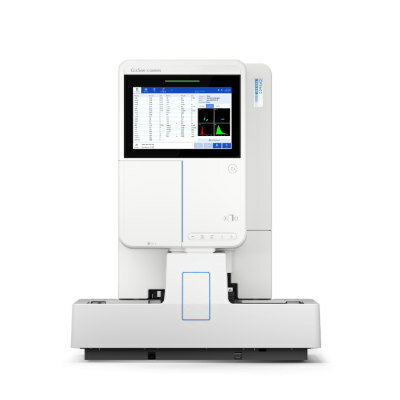
Automatic Hematology Analyzer
CF9600
New

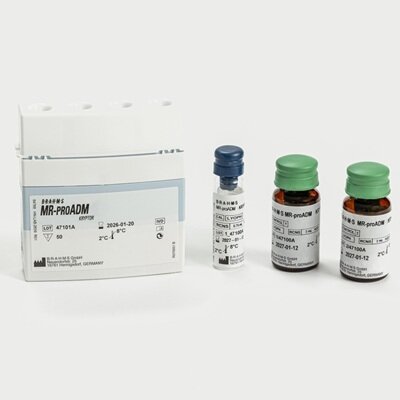
MR-proADM Test
B•R•A•H•M•S MR-proADM KRYPTOR test
Gold Member

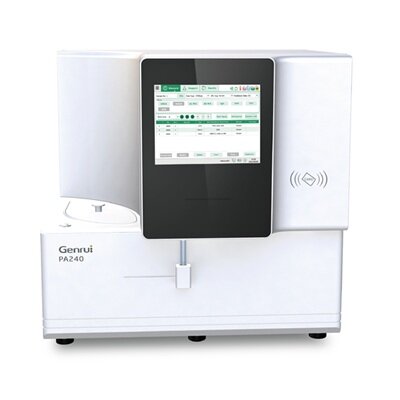
Fully-auto Specific Protein (Nephelometry) Analyzer
PA240


