






Genetic Secrets Revealed with Solid Tumor Treatment
By Biotechdaily staff writers
Posted on 13 Dec 2005
A biochemical process in which cells deal with hypoxia (lack of oxygen) essentially was found to cooperate with a lesser-known mechanism that helps increase the expression of hypoxia-sensitive genes, according to a new study.Posted on 13 Dec 2005
Researchers at St. Jude Children's Research Hospital (Memphis, TN, USA) discovered that these two mechanisms each enable a transcription factor called hypoxia-inducible factor (HIF) to increase expression of genes that the cell uses to respond to the stress of hypoxia. Transcription factors attach to a site on the gene called the promoter and stimulate the process that decodes the gene and makes the protein for which that gene codes. HIF binds to and triggers many genes that help in the survival response of tumors; for example, genes that control biochemical reactions that do not need oxygen to take energy from glucose or genes required to grow new blood vessels that bring oxygen to hypoxic cells. Specifically, the investigators suggest that histone deacetylase enzymes cooperating with CBP/p300 histone acetylases trigger expression of many genes that respond to hypoxia.
These new findings are significant because they suggest that developing new treatments that hamper both processes instead of only one might enhance the success of treatments created for solid tumors that become hypoxic as they outgrow their oxygen supply, according to Paul Brindle, Ph.D., an associate member of the department of biochemistry at St. Jude. Dr. Brindle is senior author of a study that was published in the November 16, 2005, issue of The EMBO (European Molecular Biology Organization) Journal.
St. Jude Children's Research Hospital is internationally known for its ground-breaking research in finding cures and saving children with cancer and other catastrophic diseases.
Related Links:
St. Jude Children's Research Hospital




Platinum Member

Automated Coagulation Analyzer
Hemolumi H6
Gold Member

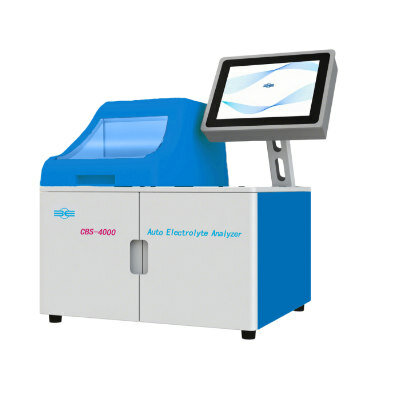
Electrolyte Analyzer
CBS-4000 (CBS-400)

POC Immunoassay Analyzer
Procise DX
New

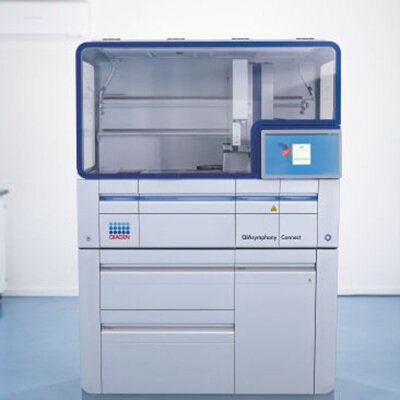
Nucleic Acid Purification Instrument
QIAsymphony Connect


