






San Jose to Host LabAutomation2005
By Biotechdaily staff writers
Posted on 25 Jan 2005
LabAutomation2005, the world's largest exhibition of laboratory technologies, will take place in the McEnery Center in San Jose (CA, USA), January 30 to February 3, 2005, sponsored by the Association for Laboratory Automation (ALA, Chicago, IL, USA). More than 100 podium presentations and hundreds of posters will be offered. An ALA Innovation Award of U.S.$10,000 will be given for the most exceptional podium presentation on new laboratory technology or other technologic advances.Posted on 25 Jan 2005
A new scientific program will offer five tracks: Detection and Separation, Microbiologies, High-Throughput Technologies, Informatics, and Frontiers Beyond Biopharmacueticals. Three special cross-tracks will focus on clinical technologies, emerging technologies, and system integration, and will span all tracks. A total of 16 one-day and two-day short courses will be offered. A new form of shared learning, called an open techno-jam, will be held on translational medicine.
Plenary sessions with world-renowned speakers will cover hot issues affecting technology in the laboratory. In the exhibit halls, more than 150 companies will promote their products and services. More details are available on the ALA website (www.labautomation.org).
Related Links:
Association for Laboratory Automation




Platinum Member

Automated Coagulation Analyzer
Hemolumi H6

Gold Member

Platelet Function Analyzer
PL-12
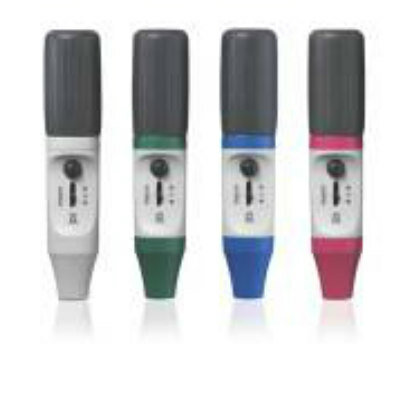

Manual Pipetting Aid
Pipette Controllers macro
New

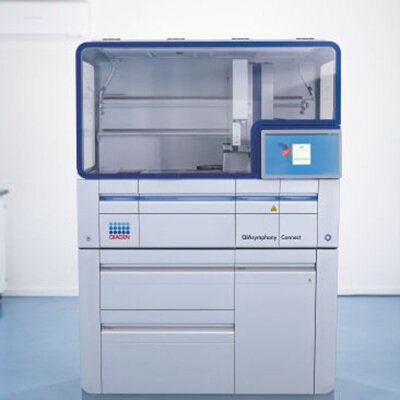
Nucleic Acid Purification Instrument
QIAsymphony Connect


