






Smac Inhibitor May Be New Anticancer Drug
By Biotechdaily staff writers
Posted on 22 Sep 2004
Researchers have synthesized a small molecule that mimics the activity of the pro-apoptotic protein Smac and suggest that it is a potentially important tool for therapy of inflammatory diseases and cancer.Posted on 22 Sep 2004
Smac is a mitochondrial protein that upon its release to the cytosol suppresses a class of proteins known as inhibitor-of-apoptosis proteins (IAPs). The suppression of the IAPs serves to activate proteins of the caspase (asparate-specific cysteinyl proteases) family. The caspases then initiate a series of events that lead to death of the cell.
In cancer cells, IAPs tend to be overexpressed, and the signals that trigger Smac release from the mitochondria are often defective. The result is that damaged cells fail to die and may reproduce uncontrollably.
In the current study, investigators at the University of Texas Southwestern Medical Center (Dallas, USA) synthesized a small, dimeric molecule that possesses Smac's ability to inhibit IAPs. The small molecule can easily enter the cytosol and does not seem to have any effect on normal cells. These findings were published in the September 3, 2004, issue of Science.
"There is reason to believe that this could be one of the first examples of a catalytic drug,” said senior author Dr. Patrick Harran, associate professor of biochemistry at the University of Texas Southwestern Medical Center.” You may not need one Smac-mimic molecule for each IAP in a cell. You likely need fewer of our Smac mimics than IAPs to neutralize IAP effects, because once the cell death program gets started, it generates more Smac-like activity as it proceeds.”
Related Links:
UT Southwestern Medical Center




Platinum Member

Automated Coagulation Analyzer
Hemolumi H6
New
Gold Member

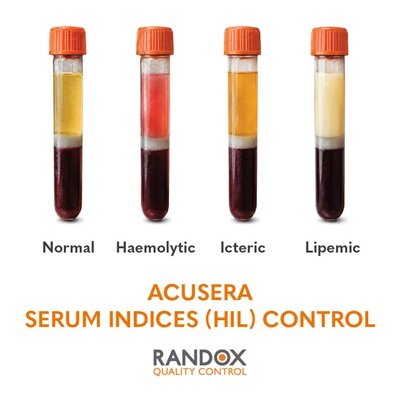
Serum Indices Control
Acusera Serum Indices Control
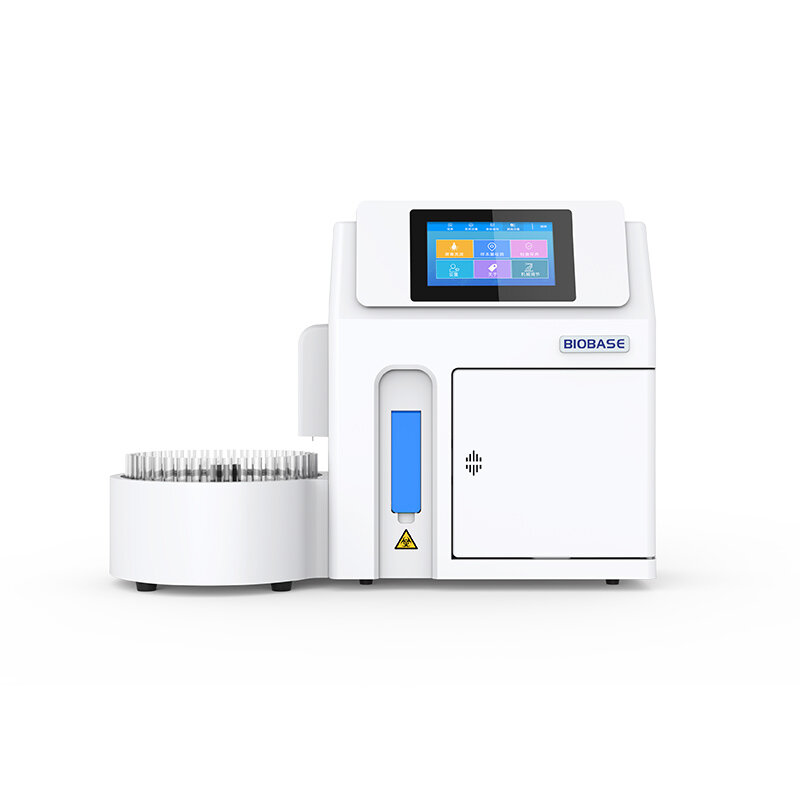

Electrolyte Analyzer
BKE-B
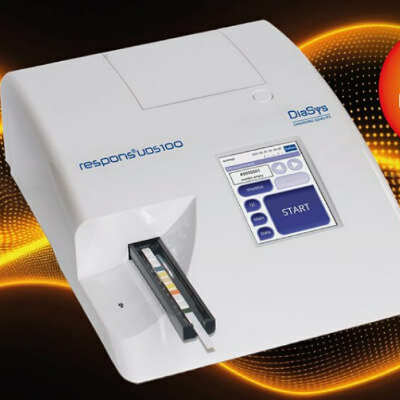
Urine Analyzer
respons® UDS100


