






European Young Investigator Award
By Biotechdaily staff writers
Posted on 10 Aug 2004
The first call for proposals for the European Young Investigator (EURYI) Award has been announced for September 2004. The aim of the award is to enable and encourage outstanding young researchers to work in one of the participating European countries for a five-year period. This is intended to support the career development of the next generation of leading researchers and at the same time to increase the attractiveness of the European research area on an international level.Posted on 10 Aug 2004
The program is open to researchers from all scientific disciplines and is directed toward researchers from anywhere in the world. Each award will last for five years and will include the salary of the award holder and funding for an independent junior research group as well as funding for consumables, travel, and other expenses. The program is managed and funded by research organizations under the umbrella of the European Union Research Organizations Heads of Research Councils. More details are available on the website.
Related Links:
European Young Investigator (EURYI)




Platinum Member

Automated Coagulation Analyzer
Hemolumi H6
New
Gold Member

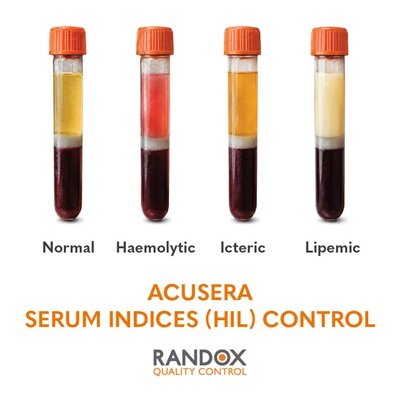
Serum Indices Control
Acusera Serum Indices Control
Gold Member

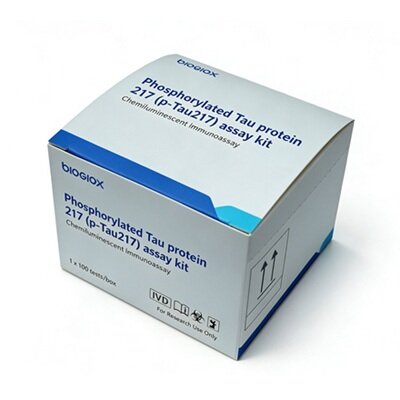
Blood-Based Protein Biomarker Solution for Alzheimer's Disease
BG-DTi2000.
New

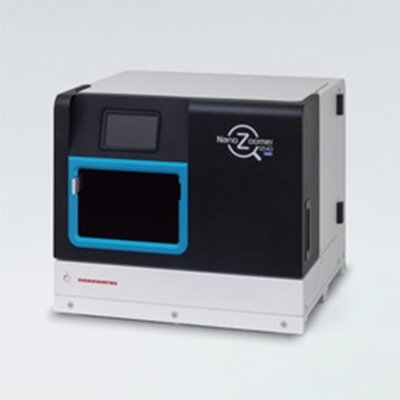
Slide Scanner System
NanoZoomer S540MD


