






Virus Linked to Breast Cancer Suggests a Vaccine
By Biotechdaily staff writers
Posted on 08 Jun 2004
A study has found evidence of a link between adult exposure to cytomegalovirus (CMV) and breast cancer in women under the age of 40, which suggests that a vaccine against the virus in childhood might be a way to decrease the risk of breast cancer. Posted on 08 Jun 2004
The study involved 377 women, whose blood samples were tested for antibody levels to CMV and the Epstein-Barr virus. Researchers found that the women with breast cancer had higher CMV antibody levels than women without cancer. However, no link was found between the Epstein-Barr virus and breast cancer.
"The higher antibody levels could be the result of more recent infection with cytomegalovirus,” said principal researcher Dr. Ann Richardson. "This may mean that late infection with cytomegalovirus, rather than in childhood, is a risk factor for breast cancer.” It is not unusual to find links between viruses and increased cancer risk, noted Dr. Richardson. Several cancers, including cervical, liver, and some forms of leukemia are known to be caused by viruses. CMV is a common virus that is shed in breast milk as well as in saliva, urine, cervical secretions, and semen.
"Countries where most people are exposed to cytomegalovirus and other viruses in childhood have lower rates of breast cancer,” remarked Dr. Richardson. Further research is needed. If late infection with CMV is found to increase the risk of breast cancer, it might be possible to decrease the risk by exposing people to the virus by immunization in childhood.
The study was conducted by researchers at the University of Otago's Christchurch School of Medicine and Health Sciences and Dunedin School of Medicine (Dunedin, New Zealand), with colleagues from the University of Melbourne (Australia).
Related Links:
U.Otago's Christchurch School of Med.




Platinum Member

Automated Coagulation Analyzer
Hemolumi H6

Gold Member

Flocked Fiber Swabs
Puritan® Patented HydraFlock®
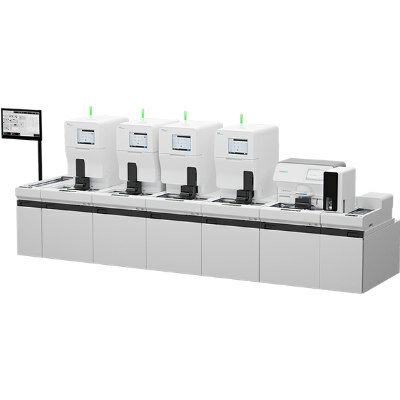

Automated Urinalysis Solution
UN-9000
New
Gold Member

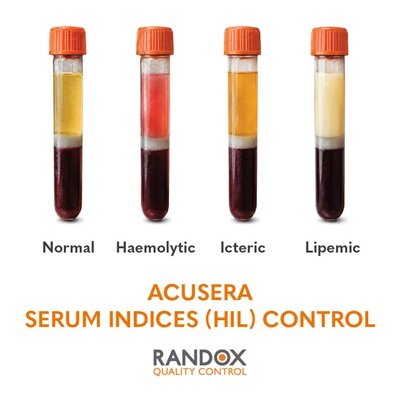
Serum Indices Control
Acusera Serum Indices Control


