






Personal DNA Identity Cards
By Biotechdaily staff writers
Posted on 02 Mar 2004
A personal DNA identity card is now available to people in the United Kingdom who are concerned about ways of storing their personal DNA information.Posted on 02 Mar 2004
The new card is the size of a standard credit card and is called a DNA Reference Card. It contains the name of the owner, a customer identification number, and the owner's complete DNA profile. The card was developed by DNA Bioscience (London, UK; www.dnabioscience.com), in response to concerns over estate transfers from its clients. The company provides DNA paternity and identity services.
"Although still in its infancy, DNA testing is increasingly being used in legal dispute resolution as well as for medical purposes,” said Avi Lasarow, director of DNA Bioscience. "However, our expanding understanding of the human genome will usher in a new era in preventative medicine and DNA-specific medication, with intergenerational DNA information playing an important role.” The company says all its information is held in strong encryption to ensure that its clients' details are secure.
Related Links:
DNA Bioscience




Platinum Member

Automated Coagulation Analyzer
Hemolumi H6
Gold Member

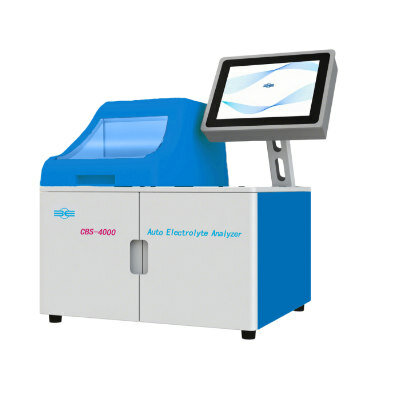
Electrolyte Analyzer
CBS-4000 (CBS-400)
New

Microbiology Laboratory Automation Solution
BD Kiestra™ ReadA+BarcodA
New

Alzheimer's Disease Biomarker Assay
Elecsys Phospho-Tau (217P) Plasma


