Toxicity Assays for Drug Development
By Biotechdaily staff writers
Posted on 17 Dec 2003
A platform of toxicity assays is a colony-forming based system that measures the proliferation of primitive hematopoietic cells in response to stimulators or inhibitory compounds. Posted on 17 Dec 2003
Called HALO (hemotoxicity assays via luminescence output), the system can detect and measure, in a rapid and nonsubjective manner, the effects on at least 13 different hematopoietic cell populations from multiple target sources derived from five different species simultaneously. Its high-throughput capability allows it to be used to detect hemotoxicity at all stages of drug development, from screening to clinical trials. The platform was developed by HemoGenix (Colorado Springs, CO, USA).
The company can draw on more than 200 tests and procedures in its armory to help drug development companies detect and analyze potential toxic side effects. HemoGenix also develops its own new tests to provide biotechnology and pharmaceutical companies with new tools to detect toxicity. As a leading tester of stem cell hemotoxicity, the company focuses on noninvasive, physiologic and cell-based screening and monitoring assays to help detect, qualify, and predict the effect of new therapeutic agents being developed.
While originally created as a service for biotechnology and pharmaceutical companies, HALO is now available as a series of research testing kits, offered to individual researchers at universities, hospitals, and clinics worldwide. The kits include one to four 96 well plates, allowing more than 80 combinations of cell populations to be measured.
Related Links:
HemoGenix




Platinum Member

Automated Coagulation Analyzer
Hemolumi H6
Gold Member

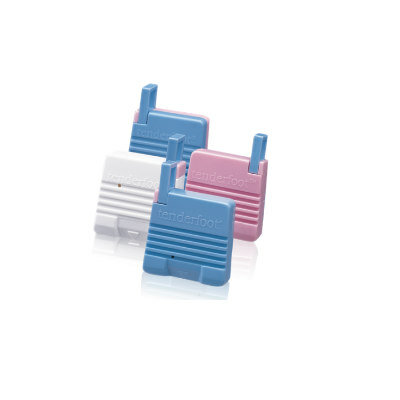
Neonatal Heel Incision Device
Tenderfoot

LAIR2 Antibody Pair Set
LAIR2 Antibody Pair [Biotin]
New

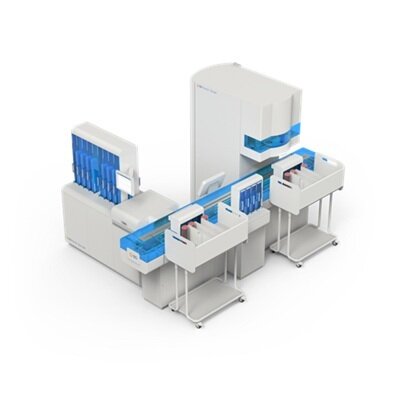
Microbiology Laboratory Automation Solution
BD Kiestra™ ReadA+BarcodA