Hedgehog Pathway Implicated in Pancreatic Cancer
By Biotechdaily staff writers
Posted on 22 Oct 2003
Two studies have demonstrated a linkage between the malignant growth of certain tumors, including pancreatic cancer, and abnormal expression of the Hedgehog signaling pathway. The studies were published in the September 15, 2003, online issue of Nature.Posted on 22 Oct 2003
One study also concludes that inhibition of the Hedgehog pathway is effective in blocking the growth of tumors in models of cancer treatment. This pathway is one of the major regulatory mechanisms used by the body for the development and maintenance of tissues and organs. One of its biologic properties is to promote the expression of various growth factors, including factors that control the growth of blood vessels, or angiogenesis factors.
Several promising Hedgehog inhibition drug candidates have been developed by Curis, Inc. (Cambridge, MA, USA). These include a small molecule Hedgehog antagonist and a Hedgehog antibody that are effective in blocking tumor growth in cancer models. Curis has been issued a patent entitled "Compositions Comprising Hedgehog Proteins,” with claims covering pharmaceutical compositions containing Hedgehog signaling proteins. Basal cell carcinoma, medulloblastoma, and small-cell lung cancer have also been linked to abnormal expression of the Hedgehog pathway. Curis has established a partnership with Genentech (South San Francisco, CA, USA) to develop new therapies based on Hedgehog pathway inhibition.
"Pancreatic carcinoma is one of the deadliest forms of cancer and there is no adequate therapy,” noted Daniel Passeri, president and CEO of Curis. "These reports in Nature provide some of the strongest evidence yet that inhibition of the Hedgehog pathway constitutes an important drug development approach to the treatment of these cancers.”
Related Links:
Curis




Platinum Member

Automated Coagulation Analyzer
Hemolumi H6
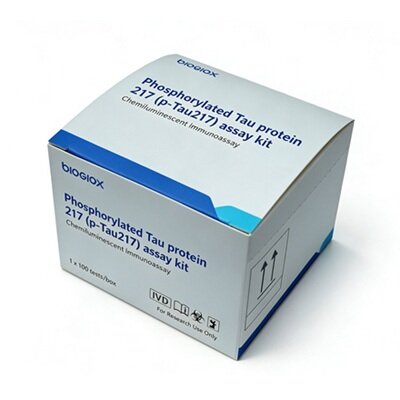
Gold Member

Blood-Based Protein Biomarker Solution for Alzheimer's Disease
BG-DTi2000.
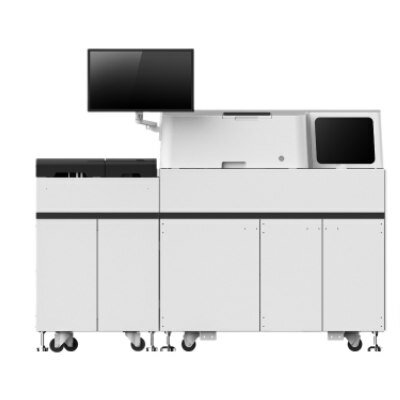

Automatic CLIA Analyzer
Shine i6000
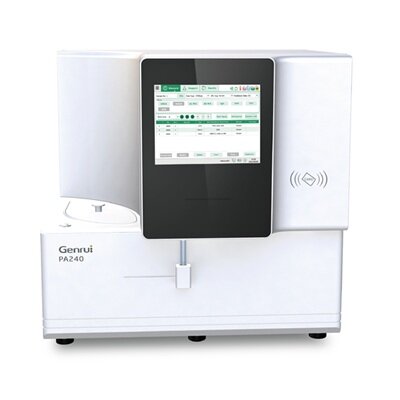
Gold Member

Fully-auto Specific Protein (Nephelometry) Analyzer
PA240