






Monoclonal Antibodies Block Cancer Development
By Biotechdaily staff writers
Posted on 10 Sep 2003
Researchers studying the development of breast cancer have found that the cell surface-associated protein Cripto, which belongs to the EGF-CFC family of growth factor-like molecules and is overexpressed in many human solid tumors, blocks the tumor inhibitory activity of activin B.Posted on 10 Sep 2003
Although Cripto is overexpressed in many human solid tumors, including 70-80% of breast and colon tumors, its mode of action has remained elusive. In the current study, published in the August 15, 2003, issue of the Journal of Clinical Investigation, investigators at Biogen Incorporated (Cambridge, MA, USA) worked with monoclonal antibodies specifically designed to block Crypto binding. In two tissue culture model systems comprising testicular and colon cancer cells, they found that the monoclonal antibodies prevented binding of Cripto to activin B, thereby inhibiting tumor cell growth by up to 70%. The authors concluded that these are an important class of antibodies for further therapeutic development.
Related Links:
Biogen Incorporated




Platinum Member

Automated Coagulation Analyzer
Hemolumi H6
Gold Member

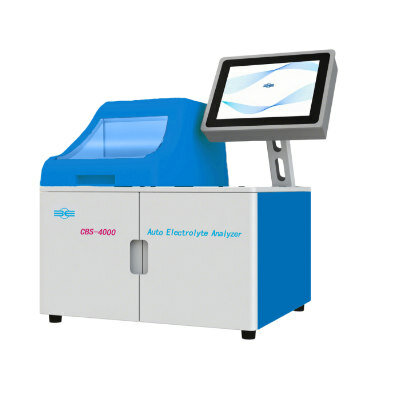
Electrolyte Analyzer
CBS-4000 (CBS-400)

Automatic CLIA Analyzer
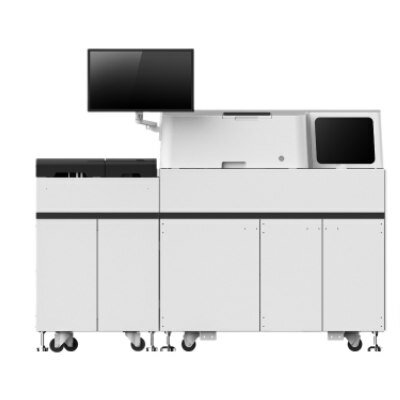
Shine i6000

All-in-One Molecular System
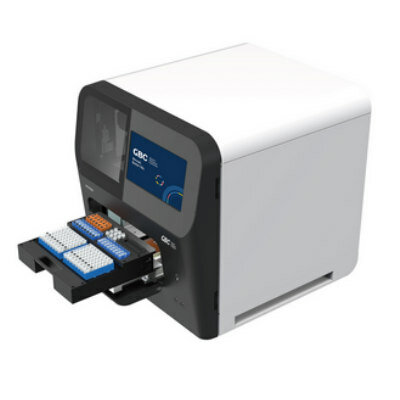
AIO M160


