Biomarker Score Helps Differentiate Takotsubo Syndrome from Myocardial Infarction
Posted on 03 Sep 2026
Takotsubo syndrome, often called broken-heart syndrome, mimics myocardial infarction and can be difficult to triage in emergency settings. It accounts for about 2% of suspected heart attacks and up to one in ten women presenting with acute coronary syndrome, yet definitive diagnosis typically relies on invasive catheterization. Rapid, accurate differentiation from true infarction remains an unmet diagnostic need. New findings demonstrate a biomarker-based diagnostic score that aims to identify Takotsubo syndrome before catheterization.
Researchers at the University of Zurich, working with international collaborators, developed and validated the biomarker-based BioTAK score to support pre-catheterization diagnosis. The tool combines multiple blood biomarkers with biological sex to estimate the likelihood of Takotsubo syndrome. Artificial intelligence was used to select the most informative marker combination and convert it into a diagnostic decision aid.
In an independent validation cohort of nearly 1,800 additional patients, BioTAK identified Takotsubo syndrome with high accuracy. Predefined thresholds correctly classified nearly 90% of participants before cardiac catheterization. The score is presented as an adjunct to the initial emergency assessment rather than a replacement for invasive testing when clinically indicated.
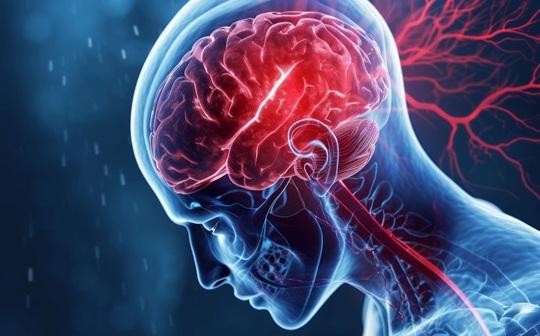
The study also points to disease mechanisms distinct from classic myocardial infarction. Two novel biomarkers incorporated into BioTAK implicate the brain-heart axis and pathways that are independent of atherosclerosis. One protein activates neuropeptides governing stress responses, anxiety, vascular tone, and autonomic function, while the other is associated with the stability of atherosclerotic plaques.
The work, conducted in close collaboration between the University of Zurich and the University of Greifswald, was published in the European Heart Journal on August 31, 2026. Affiliations named in the announcement include the University of Oxford, University Hospital Zurich, Imperial College London, and the University Medical Center Greifswald, alongside the InterTAK Registry. Future studies will assess whether integrating BioTAK into routine practice can further improve diagnosis and treatment.
“Our study shows that a simple combination of blood biomarkers and biological sex can identify these patients with remarkable accuracy even before cardiac catheterization,” said Florian A. Wenzl, co-first author of the study at the Center for Molecular Cardiology at the University of Zurich and the Radcliffe Department of Medicine at the University of Oxford.
“The BioTAK score is not a substitute for cardiac catheterization when it is medically necessary. However, it could help guide diagnostic procedures more effectively and avoid unnecessary invasive tests in selected patients,” said Christian Templin, co-last author and director of the Department of Internal Medicine B at the University Medical Center Greifswald and founder of the InterTAK Registry. “Our goal is to identify patients with Takotsubo syndrome earlier and more reliably in the future, while also gaining a better understanding of the underlying disease mechanisms.”
Related Links
University of Zurich
University Medical Center Greifswald