Antibody Testing Informs Melioidosis Diagnosis and Surveillance in Emerging Regions
Posted on 10 Nov 2026
Melioidosis is a serious and sometimes fatal infection caused by the soil- and water-dwelling bacterium Burkholderia pseudomallei. People and animals can contract the disease through exposure to contaminated soil, dust, or water. Sometimes called "the great mimicker," melioidosis can be difficult to diagnose because its symptoms, including fever, abdominal pain, and seizures, may resemble pneumonia, tuberculosis, cancer, or other serious conditions.
Although historically associated with tropical and subtropical regions, the bacterium has also been detected in soil and water in Mississippi. As its geographic range becomes better recognized, new findings show how antibody testing may aid diagnosis and surveillance.
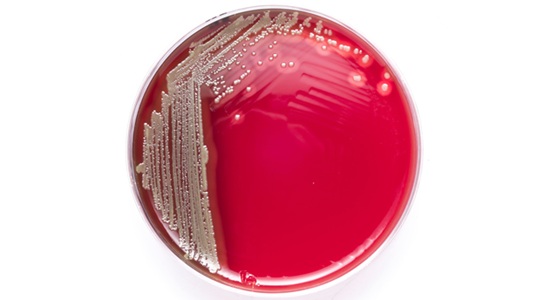
UC Davis School of Medicine (Davis, CA, USA) and Mahidol University (Salaya, Thailand) studied antibody dynamics after confirmed melioidosis infections in Thailand. The research examined how disease-fighting antibodies change over time following infection with B. pseudomallei. The work focused on antibody responses to two promising diagnostic targets that could help scientists interpret blood tests used for diagnosis and surveillance.
Melioidosis is endemic in northern Australia and Southeast Asia, particularly in northeast Thailand, but evidence suggests the bacterium may be present in a wider geographic area than previously recognized. In 2022, researchers from the U.S. Centers for Disease Control and Prevention (CDC) linked multiple human infections to soil and water in Mississippi, providing evidence that the bacterium had become established in the continental United States.
Cases have also been increasingly reported in South Asia and Africa, while climate change could potentially expand the areas where the bacterium can survive.
The retrospective cohort study followed people in Thailand after confirmed melioidosis infections. Researchers measured how long antibodies against the bacterium remained detectable following infection. They found that antibody levels can persist for years, meaning a positive test may indicate past exposure rather than recent disease. These findings highlight the challenges of interpreting antibody tests, particularly in regions where previous exposure is common.
The findings are also relevant for regions where melioidosis is rare or newly emerging, including parts of the United States. Although the disease remains relatively uncommon in the country, greater clinical awareness is important because its varied symptoms can delay diagnosis and treatment. The study, titled "Antibody dynamics after melioidosis infection in Thailand: a retrospective cohort study," was published in The Lancet Microbe.
"One of the things that makes this organism concerning is its ability to persist in the environment for very long periods of time," said Kristen Aiemjoy, assistant professor in the UC Davis Department of Public Health Sciences and co-senior author of the study. "Once Burkholderia pseudomallei becomes established in soil and water, it can continue to survive and replicate, creating an ongoing risk of exposure."
"Better tools for tracking exposure will help us understand where this pathogen is today and where it may emerge in the future. As environmental conditions change, surveillance becomes increasingly important," added Aiemjoy.
Related Links
UC Davis School of Medicine
Mahidol University