Antibody Profiling Identifies Preclinical Inflammatory Bowel Disease Years Before Diagnosis
Posted on 23 Jul 2026
Inflammatory bowel disease often develops after a prolonged symptom-free period, complicating timely recognition and clinical intervention. Limited understanding of immune activity during this silent phase has left clinicians without clear serologic markers to identify nascent disease. Early blood-based signatures that precede intestinal inflammation could reshape how at-risk individuals are monitored. A new study shows that immune changes detectable in serum can emerge up to a decade before diagnosis.
At the Icahn School of Medicine at Mount Sinai (New York, NY, USA), investigators applied an antibody profiling approach, described as massively parallel serology, to characterize preclinical immune activity in inflammatory bowel disease (IBD). The work, published July 21, 2026, in Gut, examined how humoral responses evolve long before Crohn’s disease and ulcerative colitis become clinically apparent. The authors report that unique pathogen‑directed antibody patterns are already present years ahead of a formal diagnosis.

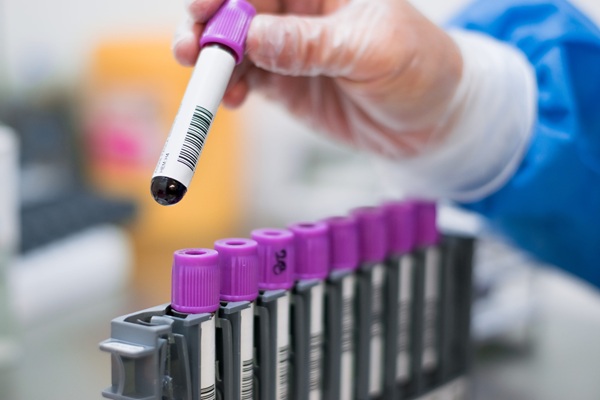
Using antibody profiling technology, the team analyzed nearly 2,000 blood samples collected over about 10 years from individuals who later developed IBD. Antibody responses were assayed against 357,000 viral, bacterial, and other antigens at approximately four time points: around 10 years, four years, and two years before diagnosis, and shortly after diagnosis. The cohort included 200 people who later developed Crohn’s disease, 200 who developed ulcerative colitis, and 100 healthy individuals for comparison.
Distinct serologic signatures differentiated future IBD cases from healthy controls, with many of the strongest signals already detectable at the earliest time point, about 10 years before diagnosis. Elevated antibodies against Epstein–Barr virus (EBV) and bacterial flagellins were among the most striking findings in participants who later developed Crohn’s disease. The data also support molecular mimicry as a potential mechanism, in which infection‑induced immune responses may inadvertently target host tissues.
The study was conducted by researchers at the Icahn School of Medicine at Mount Sinai in collaboration with the Medical University of Vienna in Austria. While additional research is needed before these signatures can be deployed clinically, the authors note that the findings could eventually help identify individuals at increased risk—particularly relatives of patients—and inform prevention strategies. The investigators plan to continue mapping the biology of the preclinical phase to clarify disease initiation.
“IBD does not develop overnight. Our findings show that the immune system is already changing years before patients experience their first symptoms. By understanding these early immune changes, we hope to uncover the biological events that trigger disease and ultimately develop strategies to identify, and one day prevent, IBD before it starts,” said Saurabh Mehandru, M.D., corresponding author and professor of medicine (gastroenterology) at the Icahn School of Medicine at Mount Sinai.
“For years, we’ve known that inflammatory bowel disease has a long silent phase before symptoms emerge, but we have had limited insight into what is happening during that period. This work provides one of the clearest pictures yet of the immune changes that precede IBD and moves the field closer to earlier diagnosis and, ultimately, disease prevention,” said Jean‑Frédéric Colombel, M.D., co‑corresponding author and director of the Susan and Leonard Feinstein Inflammatory Bowel Disease Clinical Center at the Icahn School of Medicine at Mount Sinai.
Related Links
Icahn School of Medicine at Mount Sinai



 Assay.jpg)