Antibody Profiles Provide Clues to Long COVID Severity and Symptoms
Posted on 15 Jun 2026
Persistent symptoms after acute COVID-19 affect millions of people, causing fatigue, respiratory issues, and cognitive deficits that can be difficult to quantify with standard tests. Clinical teams lack objective biomarkers to stratify risk or monitor recovery in long COVID (LC). Although antibody assays are widely available, their value in interpreting post-acute sequelae remains unclear. New findings show that antibody profiles targeting key SARS-CoV-2 proteins may provide clinically relevant signals during the omicron era.
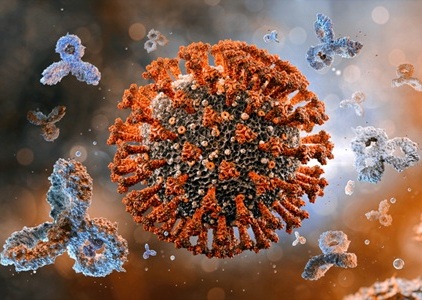
At Okayama University (Okayama, Japan), investigators evaluated SARS-CoV-2 antibody profiling, specifically titers against the spike (S) and nucleocapsid (N) proteins, as a tool to characterize long COVID (LC) during the omicron period. The approach leverages the distinct origins of these antibodies: S-antibody levels generally reflect vaccination exposure, while N-antibody levels are linked to infection-related factors. The team compared antibody titers with vaccination history, acute disease severity, symptom clusters, laboratory parameters, and quality-of-life measures.
They analyzed data from 275 patients diagnosed with omicron variant‑related LC who attended a specialized post‑COVID outpatient clinic between July 2023 and November 2024. Antibody measurements were assessed alongside time since infection and demographic variables. The analysis was published in the British Journal of Biomedical Science.
Results showed that spike-antibody levels were strongly associated with the number of vaccine doses received and were higher among individuals reporting better quality of life. Notably, patients with memory impairment, a common manifestation of “brain fog,” had significantly lower S-antibody levels than those without memory problems. By contrast, nucleocapsid-antibody levels were linked to the severity of acute infection and declined steadily among unvaccinated patients, at an estimated rate of about 0.34% per day after infection.
Additional patterns emerged across clinical and laboratory indices. Women tended to have higher N‑antibody levels than men. N‑antibody titers also correlated positively with lymphocyte counts and immunoglobulin concentrations, supporting their utility as indicators of post‑infectious immune activity.
Collectively, the findings indicate that antibody profiles can add objective context to symptom reports and clinical histories in LC, particularly when prior infection details are incomplete. The investigators noted that antibody measurements alone were insufficient to fully predict cognitive symptoms. They highlighted the potential value of integrating serologic data with symptom assessments and other laboratory findings in future evaluations.
“Objective biomarkers for LC remain limited, making patient evaluation particularly challenging. In the treatment of post-COVID-19 symptoms, viral antibody titers may help predict the history of COVID-19 infection during the omicron phase and may aid in the prognosis of post-COVID-19 symptoms, which are difficult to objectively determine,” said Fumio Otsuka, Professor, Department of General Medicine, Okayama University Graduate School of Medicine.
“Our findings suggest that antibody profiles may provide useful information about infection history, immune responses and symptom patterns, especially in patients experiencing cognitive difficulties. In future, we hope to combine viral antibody titers with clinical symptoms and other laboratory data to improve diagnosis and treatment strategies for LC,” said Prof. Otsuka
Related Links
Okayama University



.jpg)