AI Reveals Immune Response Biomarkers Linked to Ebola Survival
Posted on 09 Jul 2026
Ebola virus disease is a severe, often fatal infection that can progress quickly, complicating triage during outbreaks such as the current situation in the Democratic Republic of the Congo. Clinicians commonly rely on viral load to estimate risk, yet patients with similar levels may experience very different outcomes. Clarifying the host factors that shape survival remains a pressing diagnostic need for frontline care. New findings demonstrate how artificial intelligence and transcriptomic analysis can sharpen prognosis and clarify age- and sex-related differences.
University of Liverpool researchers describe two collaborative investigations that apply machine-learning methods to host gene transcripts measured from blood samples of hospitalized Ebola virus disease (EVD) patients. The approach identifies immune-response biomarkers that, when integrated with viral load, strengthens risk stratification beyond virologic measures alone. Together, the studies delineate molecular signatures linked to survival and characterize how age and sex modulate these responses.
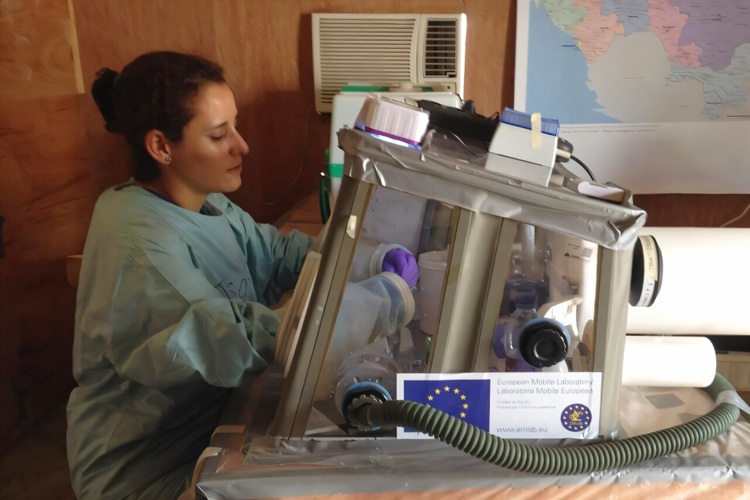
Both analyses used patient samples collected during the 2013–2016 West Africa outbreak, when the team operated under the European Mobile Laboratory. In the first study, machine-learning models pinpointed transcriptomic markers that differed between survivors and fatal cases; combining these host markers with viral load substantially increased the accuracy of predicting clinical outcome. The second study examined age- and sex-specific immune phenotypes, finding that survivors generally mounted less severe, better controlled responses.
A key result showed that expression of genes involved in lymphocyte differentiation decreased with age in fatal cases but increased with age in survivors. Both papers were published in The Journal of Infectious Diseases on June 17, 2026. The authors note the potential for these insights to support clinical decision-making and indicate that age and sex should be considered when developing treatments.
“These collaborative studies help explain why Ebola affects people so differently and highlight the importance of understanding the host response, not just the virus itself. Our findings will support better clinical management and guide the development of more effective diagnostics and treatments,” said Julian Hiscox, Professor.
“The FDA is proud to support innovative research that advances our understanding of high-consequence infectious diseases like Ebola. Global collaboration is foundational to enabling us to better understand Ebola virus disease, helping lay a foundation for more precise diagnostics, improved patient management, and stronger public health preparedness,” said Dr. Steven Kozlowski, M.D., FDA Chief Scientist.
Related Links
University of Liverpool