AI Predicts Kidney Stone Composition From Routine Urine Tests
Posted on 16 Nov 2026
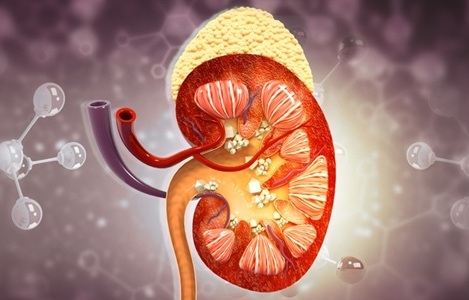
Kidney stones are a common and painful condition, affecting approximately one in 11 Americans, with lifetime recurrence rates of 60% to 80%. Identifying stone composition is important for guiding treatment and preventing recurrence, but stones are not always available for analysis. To address this diagnostic challenge, researchers have developed an AI-based approach that uses routine urine test results to predict kidney stone composition.
Researchers at Mayo Clinic developed and evaluated an artificial intelligence (AI) model to predict kidney stone composition using standard 24-hour urine test results. These tests measure substances associated with kidney stone formation and help identify individual risk factors. By analyzing multiple urine measurements together, the AI model identifies patterns associated with different stone types, providing additional information to complement conventional laboratory findings.
The model was developed using data from more than 13,000 patients, including age, sex, and 24-hour urine measurements, and subsequently evaluated in an independent group of 1,653 patients. It correctly predicted kidney stone composition in 73% of cases, compared with 33% using conventional urine-based calculations alone. The model also outperformed the traditional approach across different age and sex groups. The findings were published in Mayo Clinic Proceedings on November 11, 2026.
The approach could be particularly useful when direct stone analysis is unavailable, such as when patients do not collect passed stones or specimens cannot be obtained after surgery. In these cases, clinicians typically rely on clinical information and laboratory results to estimate stone composition. By improving these predictions, the AI model could help distinguish among common stone types, including calcium oxalate, calcium phosphate, and uric acid, potentially supporting more targeted treatment and recurrence prevention strategies.
“Many patients never have a kidney stone available for analysis, so doctors are often working with an incomplete picture. Our findings show that AI may help us get more clinically useful information from a test that is already part of kidney stone care. For patients, that could mean more informed treatment decisions. For laboratories and health care systems, it highlights how existing laboratory test data can be used in new ways to support clinical care,” said Patrick Day, senior author of the study and a principal developer in Mayo Clinic's Department of Laboratory Medicine and Pathology.
Related Links
Mayo Clinic'