AI-Powered Liquid Biopsy Detects Liver Cancer Across Diverse Populations
Posted on 03 Aug 2026
Liver cancer remains a leading cause of cancer mortality worldwide, with incidence rising alongside the growing burden of metabolic liver disease. Early detection can substantially improve outcomes, yet current screening tools, including ultrasound and alpha-fetoprotein, often miss early-stage disease. Noninvasive blood-based assays could help expand screening across diverse, high-risk populations. New findings demonstrate that an AI-enabled fragmentome blood test can detect hepatocellular carcinoma across distinct international cohorts.
At the Johns Hopkins Kimmel Cancer Center, investigators validated an AI-powered blood assay built on the DELFI (DNA Evaluation of Fragments for Early Interception) liquid biopsy platform. The work builds on earlier DELFI development and a previously trained liver cancer classifier designed for use in high-risk individuals. The study assessed both analytical performance and the underlying biological signals captured by the assay.
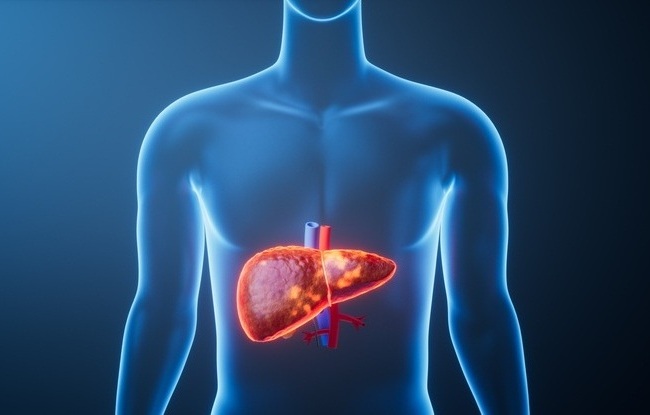
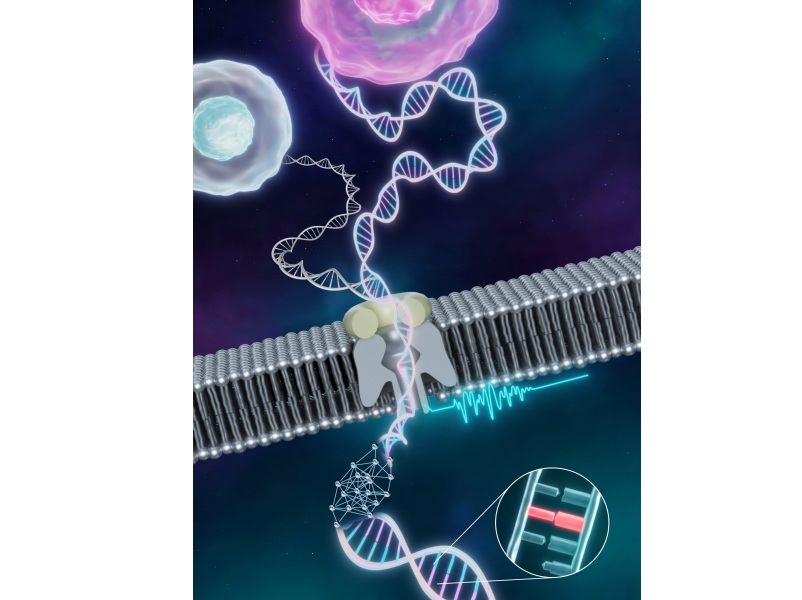
The assay analyzes millions of fragments of cell-free DNA circulating in the bloodstream to extract genome-wide “fragmentome” features. Using a tissue-of-origin method called MethID, the approach traces where fragments originate, capturing signals not only from tumor cells but also from liver parenchyma, blood vessels, and immune cells responding to malignancy. These multilayer signals are then integrated by AI to classify samples.
Investigators analyzed blood samples from 377 individuals from Guatemala and Romania, with and without hepatocellular carcinoma, to assess performance across distinct disease etiologies. Liver disease in Romania was largely associated with viral hepatitis or alcohol use, whereas participants in Guatemala predominantly had metabolic liver disease, obesity, diabetes, and exposure to aflatoxin. This design allowed the team to evaluate whether assay performance persisted despite divergent risk profiles.
Across both populations, the blood test consistently detected liver cancer. When combined with alpha-fetoprotein and simple clinical risk factors such as age and sex, the approach identified early- and late-stage cancers with greater sensitivity than existing blood testing alone. Although molecular signatures varied by region, including a genome-wide mutation pattern associated with aflatoxin exposure in Guatemala, the fragmentome classifier remained effective regardless of etiology.
The research was published July 31, 2026, in Cell Press Blue. The team concluded that genome-wide fragmentome analysis captures universal features of hepatocellular carcinoma while accommodating region-specific molecular changes, supporting adaptability across diverse patient populations.
The investigators also highlighted broader screening potential for fragmentome technology, citing a clinically validated lung cancer screening assay, FirstLook Lung, developed with DELFI Diagnostics and already available in certain health systems. Future studies will focus on prospective clinical validation and refining multimodal liquid biopsy strategies that integrate fragmentome analysis with protein biomarkers and clinical risk factors.
“Our earlier studies showed that fragmentome analyses could detect liver cancer and, more recently, chronic liver diseases that increase cancer risk. This study demonstrates that the approach works with high performance across different patient populations while revealing the biological signals in the bloodstream that make this type of detection possible,” said Victor Velculescu, M.D., Ph.D., Cancer Genetics and Epigenetics Professor and co-director of the cancer genetics and epigenetics program at the Johns Hopkins Kimmel Cancer Center, and co-senior author of the study.
“As a result, these DNA fragments contain much more information than whether cancer is present. It tells us where these fragments originate and how they change during cancer development, allowing us to better understand the biology of the disease and improve our ability to detect it,” said Zachariah Foda, M.D., Ph.D., assistant professor of medicine at the Johns Hopkins University School of Medicine and co-senior author of the study.
Related Links:
Johns Hopkins Kimmel Cancer Center