AI Pathology Tool Predicts Meningioma Recurrence from Routine Slides
Posted on 10 Jun 2026
Meningiomas are the most common primary brain tumors in adults, yet their course ranges from indolent to highly recurrent disease. Estimating an individual patient’s recurrence risk often requires advanced molecular tests that add cost and turnaround time and may be unavailable in many hospitals. These constraints complicate postoperative planning and surveillance decisions. To help address this challenge, researchers have developed an AI approach that interprets routine pathology slides to classify tumors and estimate recurrence risk.
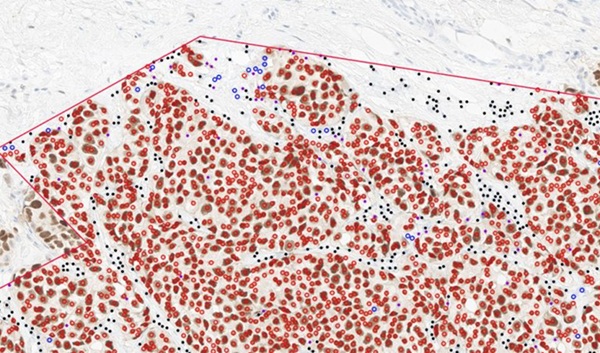
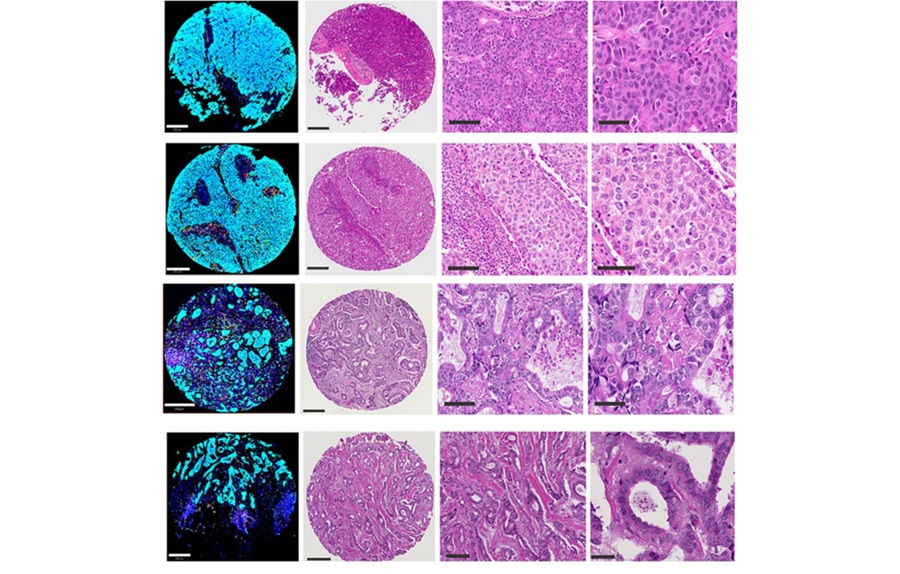
Mayo Clinic (Rochester, MN, USA) investigators and collaborators created deep learning models that analyze standard hematoxylin and eosin (H&E) slides. The models infer molecular and prognostic information that is typically obtained from DNA methylation profiling, which is costly and resource intensive. Findings were published on June 5, 2026, in The Lancet Digital Health.
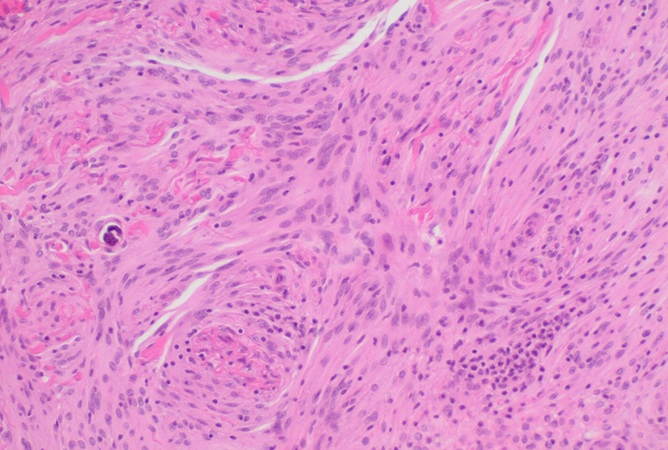
The team trained the models using tissue samples, digital pathology images, and clinical data from 672 patients. Multiple de-identified datasets were used, including data resources from Mayo Clinic Platform. In this retrospective cohort study, the algorithms classified meningioma subtypes and predicted risk of recurrence directly from H&E slides that already form part of routine care.
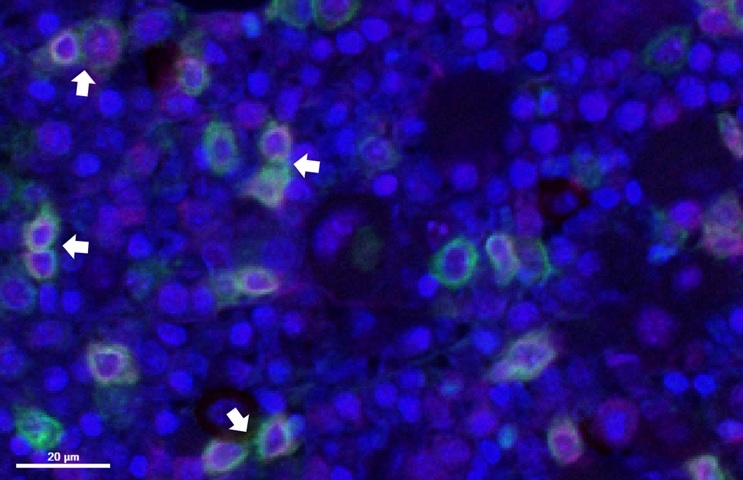
Model outputs remained informative after accounting for conventional clinical variables. Predictions continued to add utility beyond tumor grade, the extent of surgical resection, and patient age. The systems also identified patterns of tumor heterogeneity within specimens that may help explain aggressive behavior or variable treatment response.
These results suggest AI could extend access to advanced tumor insights without requiring additional genetic testing. Potential applications include informing decisions on adjuvant radiation therapy and shaping follow-up imaging schedules. The researchers emphasized that prospective validation is needed before routine clinical deployment.
“This is one of the many studies where we can harness the strength of digital pathology by capturing the last two decades of genomic and molecular knowledge in AI algorithms,” said Gelareh Zadeh, M.D., Ph.D., chair of the Department of Neurologic Surgery at Mayo Clinic in Rochester and the David C. and Flora C. Pratt Distinguished Chief Medical Officer for Mayo Clinic Platform.
“The aim is to make these algorithms readily and simply accessible for use globally, improving patient care across many health care settings,” said Zadeh.
Related Links
Mayo Clinic
Mayo Clinic Platform



.jpg)