ADLM Issues Laboratory Guidance for Gender-Diverse Patient Care
Posted on 07 Jul 2026
Laboratory medicine increasingly intersects with gender-affirming care, where hormone therapy and rigid health record fields can complicate the interpretation of routine tests. Without appropriate clinical context, changes in cardiac, kidney, and liver analytes may be difficult to classify, while missing organ-specific information can disrupt preventive screening. Additional gaps remain in transfusion workflows and autopsy documentation for gender-diverse patients. New findings describe U.S.-focused guidance designed to help clinical laboratories address these challenges.
The Association for Diagnostics & Laboratory Medicine (ADLM) has released a comprehensive guidance document detailing practical steps for laboratories and pathology services that care for gender-diverse adults. The document outlines a framework to interpret results influenced by gender-affirming hormone therapy and to improve electronic health record (EHR) workflows so results, flags, and reminders better reflect patient physiology. ADLM notes that prior recommendations from several U.S. medical societies have not broadly covered laboratory medicine and pathology, prompting the organization to convene clinical chemists, pathologists, endocrinologists, and clinicians who directly care for transgender patients.
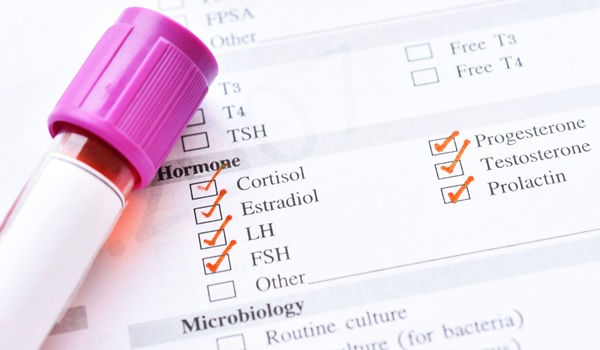
The guidance centers on adults who have received gender-affirming hormone therapy for at least six months, where evidence is strongest. It advises moving away from a one‑size‑fits‑all use of reference intervals and toward interpretation that integrates physiology, hormone levels, and patient goals; for example, although some societies cite 100–200 pg/mL as a target estradiol concentration for transgender women, published data support a wider range when assessed in context. ADLM also recommends adoption of an EHR “organ inventory”—a checklist documenting organ presence and procedure dates—to sharpen result interpretation and ensure screening reminders remain appropriate.
Beyond chemistry and EHR optimization, the document calls for standardized, evidence‑based approaches in transfusion medicine for transgender and nonbinary donors and recipients to maintain safety and equity. It also provides direction for autopsy documentation, recommending use of the decedent’s chosen name and correct pronouns, recording both legal sex and affirmed gender identity, using gender‑neutral anatomic terminology, and noting evidence of gender‑affirming care without speculation. Collectively, these measures are intended to support more accurate, equitable, and patient‑centered services within the clinical laboratory.
“The interpretation of laboratory and pathology tests for gender-diverse patients remains an evolving area of medicine. As the evidence base continues to grow, laboratories, healthcare organizations, and researchers must work together to develop patient-centered approaches that support accurate test interpretation, respectful documentation, and equitable care,” stated the document authors.
Related Links
ADLM