Abbott LAA Occluder Gains CE Mark for AFib Stroke Risk Reduction
Posted on 28 Aug 2026
Atrial fibrillation increases stroke risk because blood clots often form in the left atrial appendage. For patients who cannot tolerate long-term anticoagulation, minimally invasive closure can provide an alternative, but achieving durable and complete sealing across varied appendage anatomies remains challenging. A new device now offers a conformable, dual-seal implant designed to improve left atrial appendage closure and potentially reduce reliance on blood thinners.
Abbott’s Amulet 360 Left Atrial Appendage (LAA) Occluder has received CE Mark for reducing stroke risk in people with non-valvular atrial fibrillation (AFib). Following approval, the first European procedures were completed at the Cardiovascular Clinic Bethanien in Frankfurt, the University Heart Center in Lübeck, and Aarhus University Hospital, with broader availability across European countries planned in the coming weeks. The LAA is a small, structurally complex pouch attached to the left atrium and is a common site of thrombus formation in AFib, making it a key target for stroke prevention.
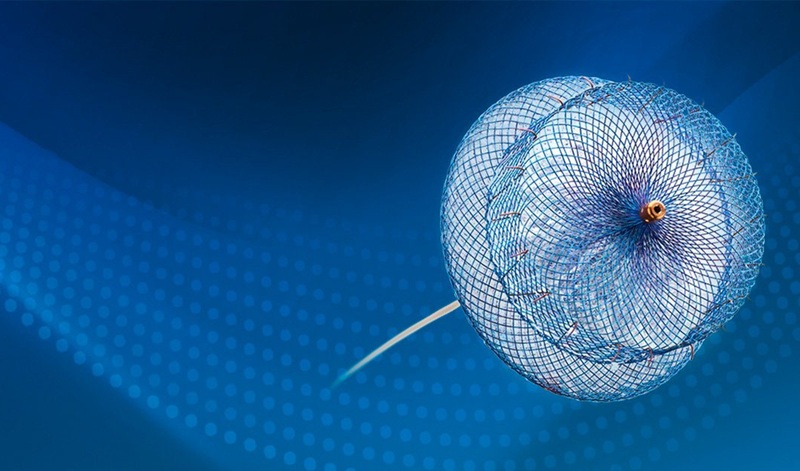
Amulet 360 employs a two-component, dual-seal design. Its redesigned body, or lobe, is softer and more conformable than the prior-generation occluder to accommodate a wider range of appendage anatomies, and it uses smaller anchors to secure the implant within the LAA. An outer disk provides a second sealing layer to help close the appendage, with the combined construct intended to prevent clot embolization. The device is delivered via a minimally invasive venous approach to immediately close the LAA and can potentially eliminate the need for blood-thinning medication when clinically appropriate.
Regulatory approval in Europe was supported by early clinical experience. The device remains approved for investigational use only in the United States. Within Abbott’s electrophysiology portfolio, the approval follows several recent system clearances in Europe and the U.S.
Clinical evidence includes the VERITAS Study of 400 patients across more than 30 hospitals in the U.S., Canada, and Europe. At 45 days, implantation was successful in 99.8% of patients and early safety benchmarks were met, with no reported complications such as additional surgery, strokes, or blood clots within seven days of implantation. Complete LAA closure without leaks greater than 3 mm was achieved in 93.9% of implanted patients.
“With Amulet 360, doctors can help protect more people with AFib from stroke by confidently closing the left atrial appendage. By helping doctors treat a wider range of anatomies, this next-generation device has the potential to improve outcomes and help more people benefit from stroke prevention across Europe,” said Xavier Freixa, M.D., Ph.D., at Hospital Clínic de Barcelona, Spain, and a globally recognized interventional cardiologist.
“Amulet 360 builds on the proven legacy of our unique dual-seal design seen in the first-generation LAA occluder, which helped many people with AFib reduce their risk of stroke without the need for long-term blood thinners. As the latest addition to Abbott's growing portfolio of stroke prevention technologies, Amulet 360 reflects our commitment to advancing treatment options and improving outcomes for patients around the world,” said Christopher Piorkowski, M.D., chief medical officer of Abbott's electrophysiology business.





.jpg)