Blocking Suppressor Signals Promotes Tumor Growth
By Biotechdaily staff writers
Posted on 11 Nov 2002
A study has found that overexpression of the gene for Ski protein, a naturally occurring human protein, interferes with the activity of the tumor suppressing transforming growth factor-beta (TGF-beta) and promotes the development of cancer cells. The study was published in the November 1, 2002, issue of Cell.Posted on 11 Nov 2002
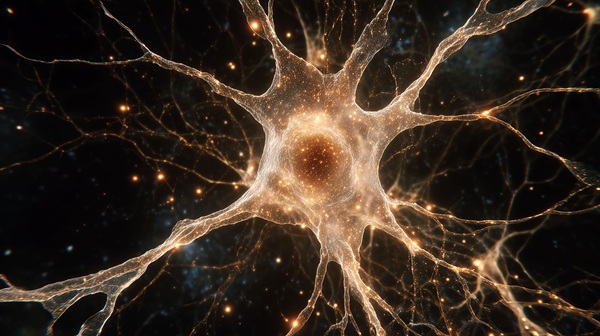
TGF-beta normally binds to receptor proteins on the cell's outer surface. The signal generated by this interaction is transported across the cell membrane and activates proteins first in the cytoplasm and ultimately in the nucleus. The action of the signaling proteins activates genes necessary for the normal functioning of the cell.
By using x-ray diffraction to study crystals of purified Ski-TGF-beta complex, researchers from Princeton University (Princeton, NJ, USA; www.princeton.edu) and the Brookhaven National Laboratory (Berkley, CA, USA; www.bnl.gov) learned that in addition to previous findings that Ski had a direct effect on genes, Ski also disrupts the cytoplasmic signaling proteins. When Ski binds to the nuclear signaling proteins, the cytoplasmic signaling proteins cannot attach to their nuclear counterparts. "This binding process is probably one of the major ways in which Ski disrupts the signaling proteins and, thus, suppresses the action of TGF-beta,” explained senior author Dr. Yigong Shi, a molecular biologist at Princeton University.
"We now have a very important clue as to how Ski interferes with key proteins that prevent cells from becoming cancerous,” said Dr. Shi. "Ski is not merely recruiting proteins that repress genes; it can also disrupt signaling proteins, which makes Ski a more effective tumor-inducing protein. Understanding how to stop Ski from disrupting the normal function of cells will probably be key to developing new anticancer drugs.”
Related Links:
Princeton University
Brookhaven National Laboratory




Platinum Member

Automated Coagulation Analyzer
Hemolumi H6
New
Gold Member

Serum Indices Control
Acusera Serum Indices Control

Automatic CLIA Analyzer
Shine i6000

Automated Urinalysis Solution
UN-9000