Chromogenic Agar Medium Identifies Aeromonas in Fecal Samples
|
By LabMedica International staff writers Posted on 25 Jun 2012 |


|
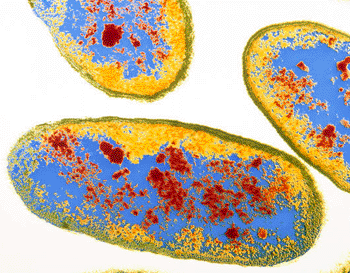
Image: Colored transmission electron micrograph of thin-sectioned cells of Aeromonas hydrophila bacteria (Photo courtesy of Dr. Kari Lounatmaa / SPL).
Chromogenic agar medium has been found useful for the isolation, differentiation, and potential identification of Aeromonas spp. isolated from several sources.
Chromogenic media have facilitated the identification of pathogenic organisms at the genus level and in some cases at the species level, thus requiring a shorter testing time and simplifying the detection of target bacteria and the interpretation of primary culture results.
Medical microbiologists at National Polytechnic Institute (México) evaluated the microbiological performance of a chromogenic agar medium, using the Miles and Misra method and the Mossel ecometric technique. A total of 62 strains were tested, including 23 isolated from gastrointestinal infection, 13 type strains from the Spanish type culture collection of the Aeromonas genus, 12 strains isolated from water, nine isolated from frozen fish, and six other strains from the American type culture collection.
The medium CromoCen AGN agar (BioCen; Havana, Cuba) was designed as a chromogenic agar medium for the rapid and simultaneous identification of Aeromonas and Pseudomonas and for the identification and/or enumeration of Salmonella, Escherichia coli, and coliform bacteria. Two control media, MacConkey (Bioxon; Mexico City, Mexico), and Ryan Aeromonas (Oxoid Ltd.; Basingstoke, UK) were used for the comparative evaluation using the ecometric test.
CromoCen AGN agar medium was also assessed for the potential identification of Aeromonas spp. in fecal samples that were collected from asymptomatic schoolchildren. Out of 106 processed stool cultures, five were putatively positive (4.7%) and identified as Aeromonas colonies. These five strains were pale or light green in color, and only four had evident proteolytic activity. The CromoCen AGN exhibited 94.73% sensitivity and 100% specificity for the various samples
The authors concluded that if the incidence of Aeromonas diarrhea in the patient population of a given laboratory is high, the routine use of CromoCen AGN agar medium is warranted. This agar has a relatively high plating efficiency for most strains, can simplify the initial genus identification prior to genetic identification. CromoCen AGN agar is useful for the inhibition of Gram-positive bacteria, is easy to use, is simple to interpret and suitable for the identification of the Aeromonas genus. However, due to the incidence of false negative results, it should not be used for species identification. The study was published online on April 27, 2012, in the Journal of Microbiological Methods.
Related Links:
National Polytechnic Institute
Bioxon
Oxoid Ltd.






Chromogenic media have facilitated the identification of pathogenic organisms at the genus level and in some cases at the species level, thus requiring a shorter testing time and simplifying the detection of target bacteria and the interpretation of primary culture results.
Medical microbiologists at National Polytechnic Institute (México) evaluated the microbiological performance of a chromogenic agar medium, using the Miles and Misra method and the Mossel ecometric technique. A total of 62 strains were tested, including 23 isolated from gastrointestinal infection, 13 type strains from the Spanish type culture collection of the Aeromonas genus, 12 strains isolated from water, nine isolated from frozen fish, and six other strains from the American type culture collection.
The medium CromoCen AGN agar (BioCen; Havana, Cuba) was designed as a chromogenic agar medium for the rapid and simultaneous identification of Aeromonas and Pseudomonas and for the identification and/or enumeration of Salmonella, Escherichia coli, and coliform bacteria. Two control media, MacConkey (Bioxon; Mexico City, Mexico), and Ryan Aeromonas (Oxoid Ltd.; Basingstoke, UK) were used for the comparative evaluation using the ecometric test.
CromoCen AGN agar medium was also assessed for the potential identification of Aeromonas spp. in fecal samples that were collected from asymptomatic schoolchildren. Out of 106 processed stool cultures, five were putatively positive (4.7%) and identified as Aeromonas colonies. These five strains were pale or light green in color, and only four had evident proteolytic activity. The CromoCen AGN exhibited 94.73% sensitivity and 100% specificity for the various samples
The authors concluded that if the incidence of Aeromonas diarrhea in the patient population of a given laboratory is high, the routine use of CromoCen AGN agar medium is warranted. This agar has a relatively high plating efficiency for most strains, can simplify the initial genus identification prior to genetic identification. CromoCen AGN agar is useful for the inhibition of Gram-positive bacteria, is easy to use, is simple to interpret and suitable for the identification of the Aeromonas genus. However, due to the incidence of false negative results, it should not be used for species identification. The study was published online on April 27, 2012, in the Journal of Microbiological Methods.
Related Links:
National Polytechnic Institute
Bioxon
Oxoid Ltd.

Gold Member
Neonatal Heel Incision Device
Tenderfoot
Clinical Informatics Platform
CLARION™
Food Allergy Screening ELISA Kit
Allerquant 14G B ELISA
Latest Microbiology News
- Automated Blood Culture System Speeds Detection of Bloodstream Infections
- New Culture Medium Speeds C. difficile Resistance Detection and Reduces Costs
- Gut Microbiome Signatures Help Identify Risk of IBD Progression
- FDA-Cleared Gastrointestinal Panel Detects 24 Pathogen Targets
- New AMR Assay Supports Rapid Infection Control Screening in Hospitals
- Diagnostic Gaps Complicate Bundibugyo Ebola Outbreak Response in Congo
- Study Finds Hidden Mpox Infections May Drive Ongoing Spread
- Large-Scale Genomic Surveillance Tracks Resistant Bacteria Across European Hospitals
- Molecular Urine and Stool Tests Do Not Improve Early TB Treatment in Hospitalized HIV Patients
- Rapid Antigen Biosensor Detects Active Tuberculosis in One Hour
- Label-Free Microscopy Method Enables Faster, Quantitative Detection of Malaria
- Oral–Gut Microbiome Signatures Identify Early Gastric Cancer
- Gut Microbiome Test Predicts Melanoma Recurrence After Surgery
- Rapid Blood-Culture Susceptibility Panel Expands Coverage for Gram-Negative Infections
- Antibiotic Resistance Genes Found in Newborns Within Hours of Birth
- Rapid Color Test Stratifies Virulent and Resistant Staph Strains
Channels
Clinical Chemistry
view channel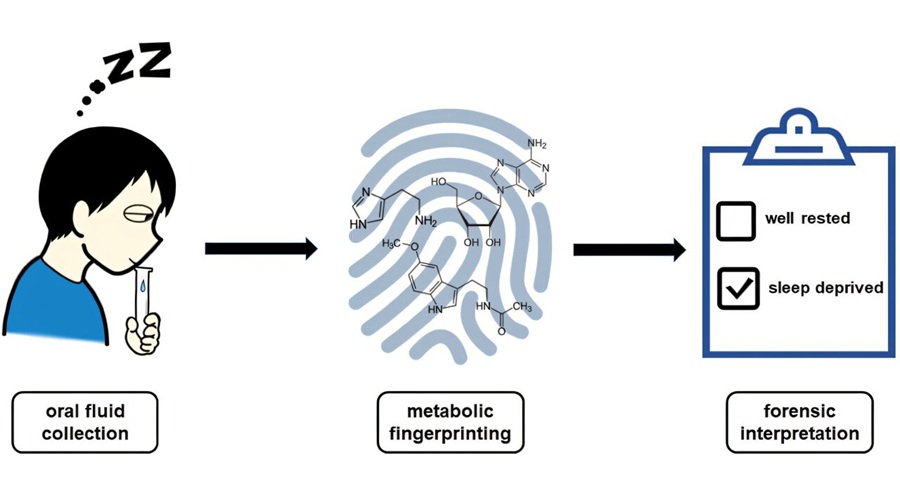
Saliva-Based Test Detects Biochemical Signs of Sleep Loss
Acute sleep loss impairs cognition and motor skills, raising safety risks that resemble alcohol intoxication. Clinicians currently lack an objective biochemical test to determine when someone is dangerously... Read more
Simple Dual-Tau Blood Test Detects and Stages Alzheimer’s Disease
Alzheimer’s disease is typically confirmed and staged with positron emission tomography scans and cerebrospinal fluid testing, procedures that are costly and invasive. Broader access to minimally invasive... Read more
Alzheimer’s Blood Biomarkers Linked to Early Cognitive Differences Before Dementia
Blood-based screening for Alzheimer’s disease offers a noninvasive, lower-cost alternative to brain imaging or spinal fluid testing, yet its ability to flag the earliest cognitive changes has been unclear.... Read more
Molecular Diagnostics
view channel
New PCR Assay Supports Bundibugyo Ebola Outbreak Surveillance
Rapid identification of Ebola infections is essential to limit transmission and guide public health response, yet detection can be difficult when outbreaks involve rare variants. The current outbreaks... Read more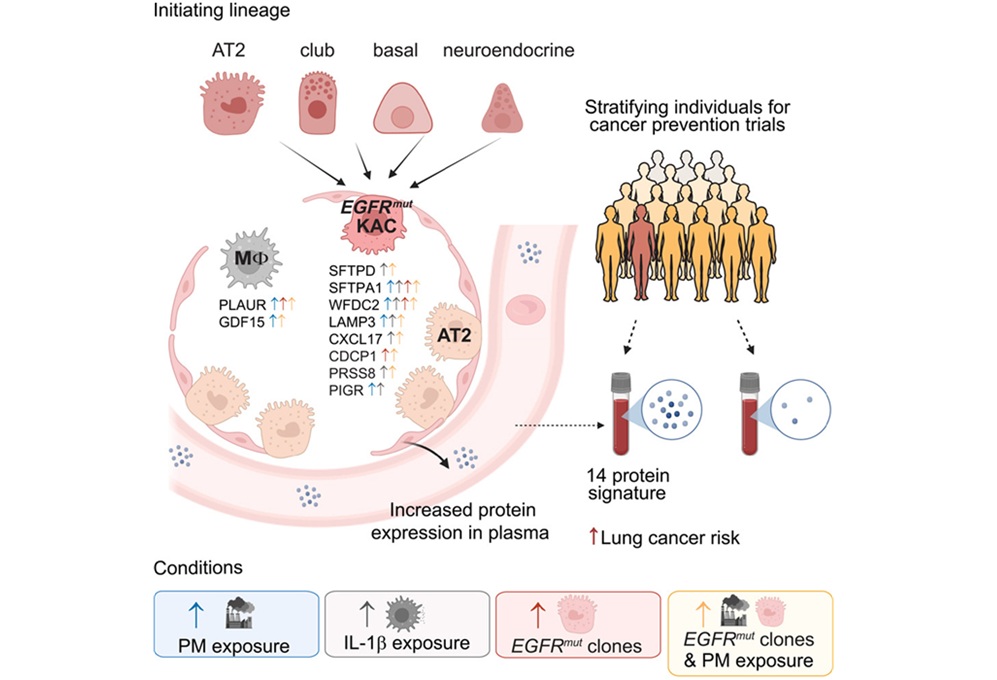
Plasma Protein Signature Predicts Lung Cancer Risk Up to Five Years Ahead
Lung cancer remains a leading cause of cancer death, and many cases are detected only after symptoms appear. Current screening programs largely target people with a history of smoking, leaving other at-risk... Read more

Hematology
view channel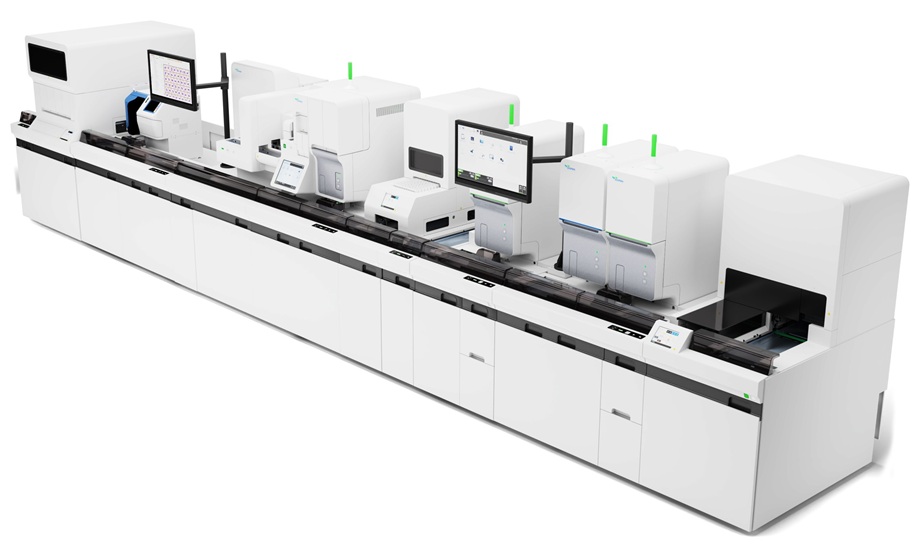
Next-Generation Hematology Platform Streamlines High-Complexity Lab Workflows
Sysmex America (Chicago, IL, USA) has introduced the next generation XR-Series, centered on the XR-10 Automated Hematology Module for high-complexity laboratories. The platform builds on the widely used... Read more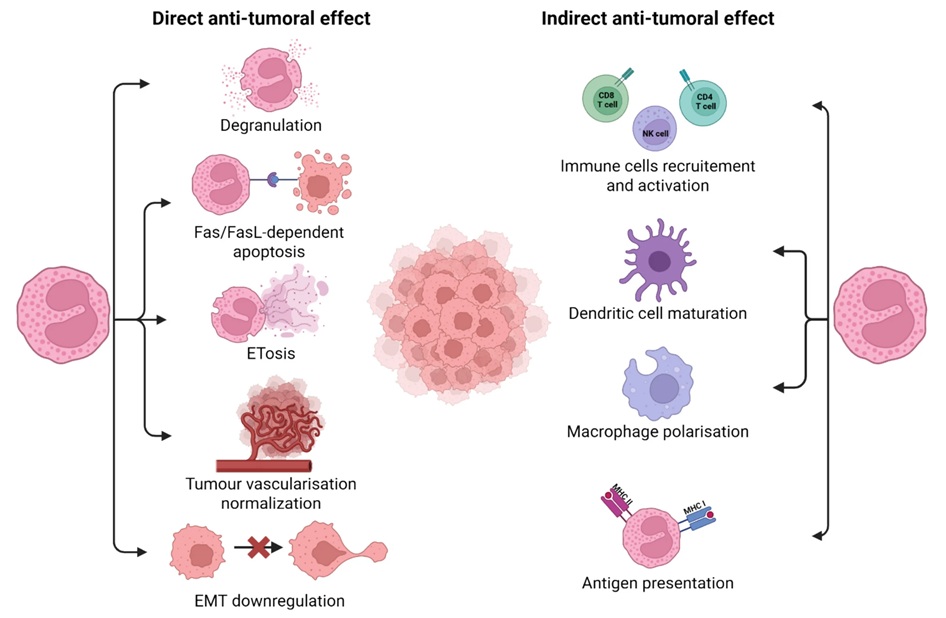
Blood Eosinophil Count May Predict Cancer Immunotherapy Response and Toxicity
Immune checkpoint inhibitors have improved outcomes across many cancers, yet only a subset of patients derive durable benefit and biomarkers to guide treatment remain limited. Eosinophils, best known for... Read more
Immunology
view channel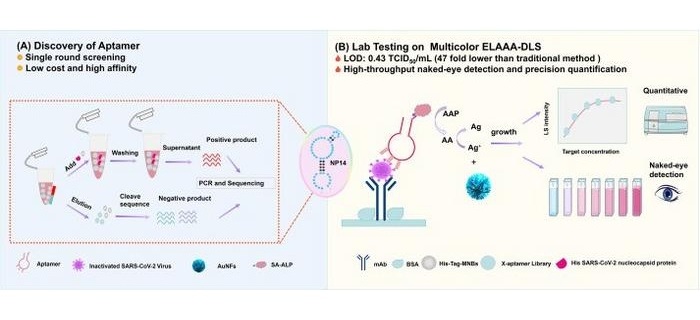
Aptamer-Based Biosensor Enables Mutation-Resilient SARS-CoV-2 Detection
Rapid evolution of severe acute respiratory syndrome coronavirus 2 (SARS-CoV-2) can undermine existing molecular diagnostics, especially when assays target small viral components. Double-antibody sandwich... Read more
Study Points to Autoimmune Pathway Behind Long COVID Symptoms
Long COVID leaves many SARS-CoV-2 survivors with persistent fatigue, cognitive issues, palpitations, and musculoskeletal pain for months or years. Estimates cited in new research suggest 4%–20% of infected... Read more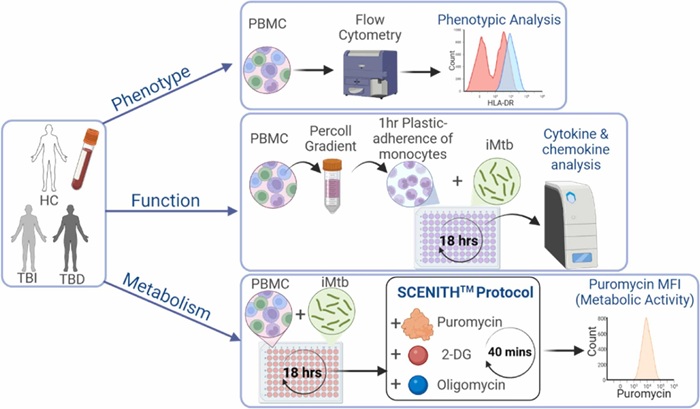
Metabolic Biomarker Distinguishes Latent from Active Tuberculosis and Tracks Treatment Response
Tuberculosis (TB) remains the world’s leading infectious killer, with 10.8 million cases and 1.25 million deaths recorded globally in 2023. Yet many infected individuals never develop active disease, underscoring... Read more
Pathology
view channel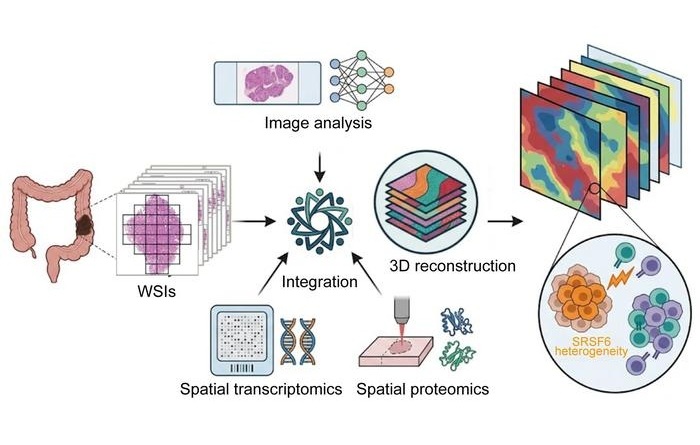
3D Spatial Multi-Omics Maps Intra-Tumor Diversity in Colorectal Cancer
Colorectal cancer remains a leading cause of cancer death, and clinical decision-making is complicated by marked intra-tumor heterogeneity. Conventional bulk sequencing averages molecular signals across... Read more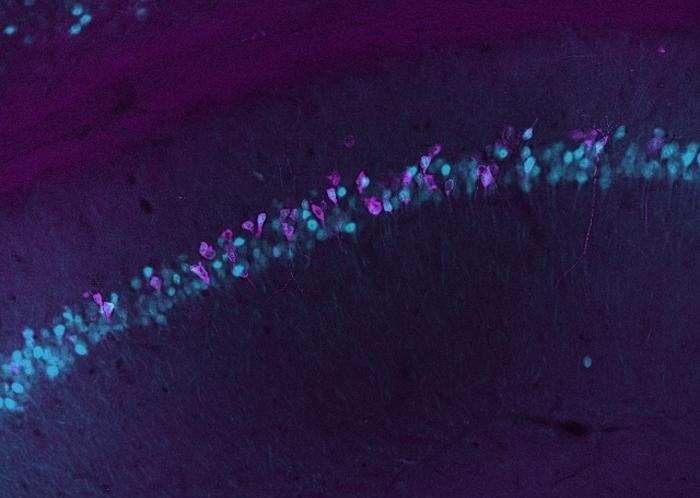
Blood-Based Method Tracks Gene Activity in the Living Brain
Real-time measurement of gene activity in the brain has been limited by assays requiring destructive tissue sampling. Tracking active genes could reveal how the body responds to environmental factors,... Read more
Technology
view channel
AI Platform Links Biomarker Results to Cancer Clinical Trials and Guidelines
Oncology teams must manage growing volumes of genomic data, rapidly evolving clinical trial options, and frequently updated care guidelines, all within tight clinic schedules. Translating complex tumor... Read more
Agentic AI Platform Supports Genomic Decision-Making in Oncology
Oncology care teams increasingly face the challenge of managing complex molecular diagnostics, evolving treatment options, and extensive electronic health record documentation. Translating multimodal data... Read more

Industry
view channel
Collaboration Advances ctDNA-Guided Development in Metastatic Colorectal Cancer
Natera, Inc. (Austin, TX, USA) and CytoDyn Inc. (Vancouver, WA, USA) announced a strategic collaboration focused on metastatic colorectal cancer (mCRC). Under the agreement, Natera will evaluate circulating... Read more