Blood Test Predicts Impending Heart Attack
|
By LabMedica International staff writers Posted on 01 Apr 2012 |


|
A blood test was devised that identifies specific cells that flake off when the blood vessel walls weaken and signal the initial stages of acute myocardial infarction (MI).
The blood test that can predict whether a person is at high risk of suffering from a heart attack and can provide the doctor and patient with this vital information up to two weeks before an acute MI or cardiac episode is likely to occur.
Scientists at Scripps Translational Science Institute (La Jolla, CA, USA) enrolled patients between January 2010 and February 2011, who presented to the emergency room with ST-segment elevation MI (STEMI) at four regional medical centers and had blood drawn for circulating endothelial cells (CECs) characterization. The study involved 94 participants, 50 of them had had a heart attack while the other 44 were healthy controls. The CECs were identified using the CellTracks system, which consists of an automated CellTracks Auto Prep sample preparation device and a CellTracks Analyzer II (CTA II) image analysis platform. Fluorescence intensity measurements of fixed CECs from CellSearch were carried out in a four-step process. Total ribonucleic acids (RNAs) were isolated from CECs according to the standard TRIzol method for gene expression analysis.
The CEC blood levels among those who had had a heart attack were over four times higher when compared to those in the healthy control group. Not only CEC blood levels were much higher among the heart attack patients but also their CECs had changed; they had either become larger, misshapen, and/or many had multiple nuclei. During the initial stages of a heart attack, the walls of the blood vessel weaken, they become eroded, attracting inflammatory cells, which in turn harm and damage the endothelial cells that line the inside of blood vessels. Endothelial cells are those that form the cellular lining of a tissue. Severe inflammation causes the CECs to mutate; they clump together, break off and get into the bloodstream.
The CellSearch System used in this study is a commercially available rare cell isolation platform manufactured by Veridex (North Raritan, NJ, USA). Eric J. Topol, MD, a senior author of the study, said, "For the first time, we can isolate these cells through techniques that were not available in 1999. They are like a window into the process that underlies an imminent heart attack.” In a considerable number of cases, CECs sloughing off the interior wall of a blood vessel become involved in a series of events that results in a blood clot. Professor Topol added, "It is the clot that cuts off the blood supply and serves as the proximate cause of a heart attack. Eventually, a plaque ruptures and a blood clot develops." The study was published on March 21 2012, in the journal Science Translational Medicine.
Related Links:
Scripps Translational Science Institute
Veridex
.jpg)




The blood test that can predict whether a person is at high risk of suffering from a heart attack and can provide the doctor and patient with this vital information up to two weeks before an acute MI or cardiac episode is likely to occur.
Scientists at Scripps Translational Science Institute (La Jolla, CA, USA) enrolled patients between January 2010 and February 2011, who presented to the emergency room with ST-segment elevation MI (STEMI) at four regional medical centers and had blood drawn for circulating endothelial cells (CECs) characterization. The study involved 94 participants, 50 of them had had a heart attack while the other 44 were healthy controls. The CECs were identified using the CellTracks system, which consists of an automated CellTracks Auto Prep sample preparation device and a CellTracks Analyzer II (CTA II) image analysis platform. Fluorescence intensity measurements of fixed CECs from CellSearch were carried out in a four-step process. Total ribonucleic acids (RNAs) were isolated from CECs according to the standard TRIzol method for gene expression analysis.
The CEC blood levels among those who had had a heart attack were over four times higher when compared to those in the healthy control group. Not only CEC blood levels were much higher among the heart attack patients but also their CECs had changed; they had either become larger, misshapen, and/or many had multiple nuclei. During the initial stages of a heart attack, the walls of the blood vessel weaken, they become eroded, attracting inflammatory cells, which in turn harm and damage the endothelial cells that line the inside of blood vessels. Endothelial cells are those that form the cellular lining of a tissue. Severe inflammation causes the CECs to mutate; they clump together, break off and get into the bloodstream.
The CellSearch System used in this study is a commercially available rare cell isolation platform manufactured by Veridex (North Raritan, NJ, USA). Eric J. Topol, MD, a senior author of the study, said, "For the first time, we can isolate these cells through techniques that were not available in 1999. They are like a window into the process that underlies an imminent heart attack.” In a considerable number of cases, CECs sloughing off the interior wall of a blood vessel become involved in a series of events that results in a blood clot. Professor Topol added, "It is the clot that cuts off the blood supply and serves as the proximate cause of a heart attack. Eventually, a plaque ruptures and a blood clot develops." The study was published on March 21 2012, in the journal Science Translational Medicine.
Related Links:
Scripps Translational Science Institute
Veridex

Gold Member
Clinical Chemistry Assay
Sorbitol Dehydrogenase (SDH)
LAIR2 Antibody Pair Set
LAIR2 Antibody Pair [Biotin]
Electrolyte Analyzer
BKE-B
Latest Pathology News
- 3D Spatial Multi-Omics Maps Intra-Tumor Diversity in Colorectal Cancer
- Blood-Based Method Tracks Gene Activity in the Living Brain
- FDA Approval Expands Automated PD-L1 Testing Across Solid Tumors
- AI-Powered Atlas Maps Immune Structures Linked to Cancer Outcomes
- AI Tool Extracts Immune Signals from Biopsy to Inform Myeloma Therapy
- Rapid AI Tool Predicts Cancer Spatial Gene Expression from Pathology Images
- AI Pathology Test Receives FDA Breakthrough for Bladder Cancer Risk Stratification
- FDA Clears AI Digital Pathology Tool for Breast Cancer Risk Stratification
- New AI Tool Reveals Hidden Genetic Signals in Routine H&E Slides
- AI System Analyzes Routine Pathology Slides to Predict Cancer Outcomes
- New Tissue Mapping Approach Identifies High-Risk Form of Diabetic Kidney Disease
- Multimodal AI Tool Predicts Genetic Alterations to Guide Breast Cancer Treatment
- Interpretable AI Reveals Hidden Cellular Features from Microscopy Images
- Tumor Immune Structure Predicts Response to Immunotherapy in Melanoma
- Plug-and-Play AI Pathology System Classifies Multiple Cancers from Few Slides
- AI-Based Assays Support Risk Stratification in Prostate and Breast Cancer
Channels
Clinical Chemistry
view channel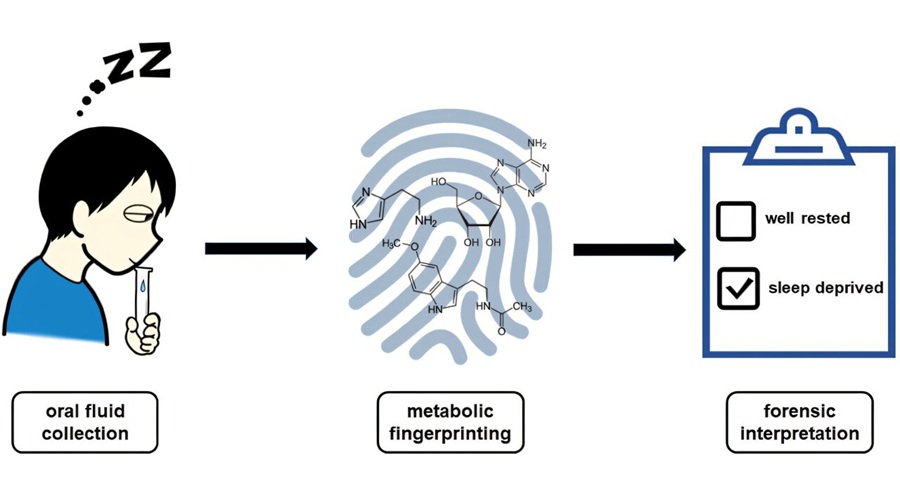
Saliva-Based Test Detects Biochemical Signs of Sleep Loss
Acute sleep loss impairs cognition and motor skills, raising safety risks that resemble alcohol intoxication. Clinicians currently lack an objective biochemical test to determine when someone is dangerously... Read more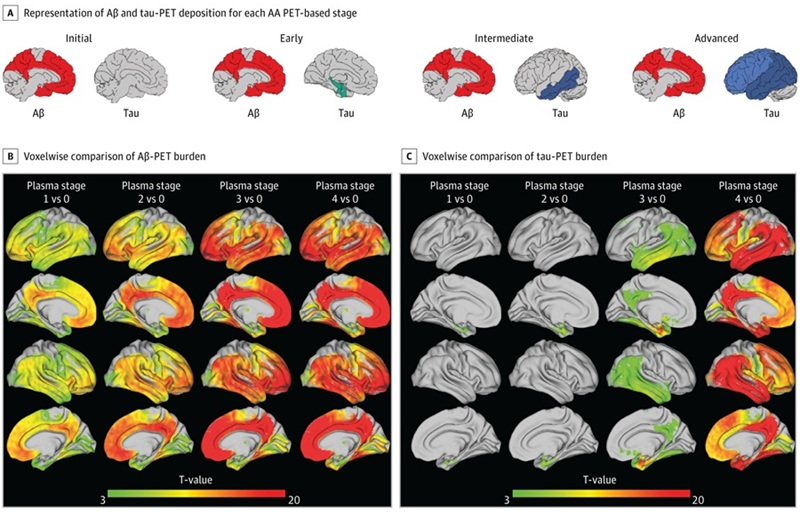
Simple Dual-Tau Blood Test Detects and Stages Alzheimer’s Disease
Alzheimer’s disease is typically confirmed and staged with positron emission tomography scans and cerebrospinal fluid testing, procedures that are costly and invasive. Broader access to minimally invasive... Read more
Alzheimer’s Blood Biomarkers Linked to Early Cognitive Differences Before Dementia
Blood-based screening for Alzheimer’s disease offers a noninvasive, lower-cost alternative to brain imaging or spinal fluid testing, yet its ability to flag the earliest cognitive changes has been unclear.... Read more
Molecular Diagnostics
view channel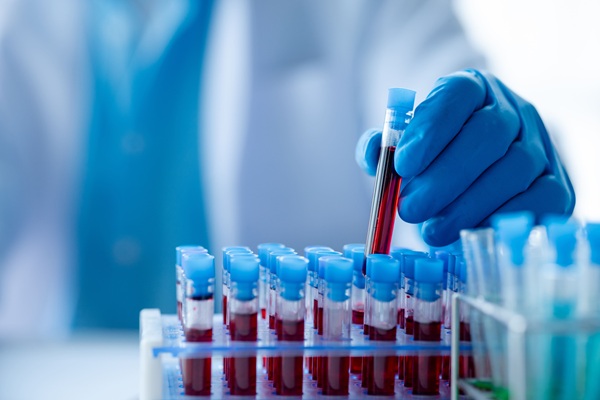
Blood Test Predicts Immunotherapy Response in Head and Neck Cancer
Head and neck squamous cell carcinoma affects hundreds of thousands of people worldwide each year, yet response rates to immunotherapy remain low. Clinicians lack reliable, minimally invasive tools to... Read more
New PCR Assay Supports Bundibugyo Ebola Outbreak Surveillance
Rapid identification of Ebola infections is essential to limit transmission and guide public health response, yet detection can be difficult when outbreaks involve rare variants. The current outbreaks... Read more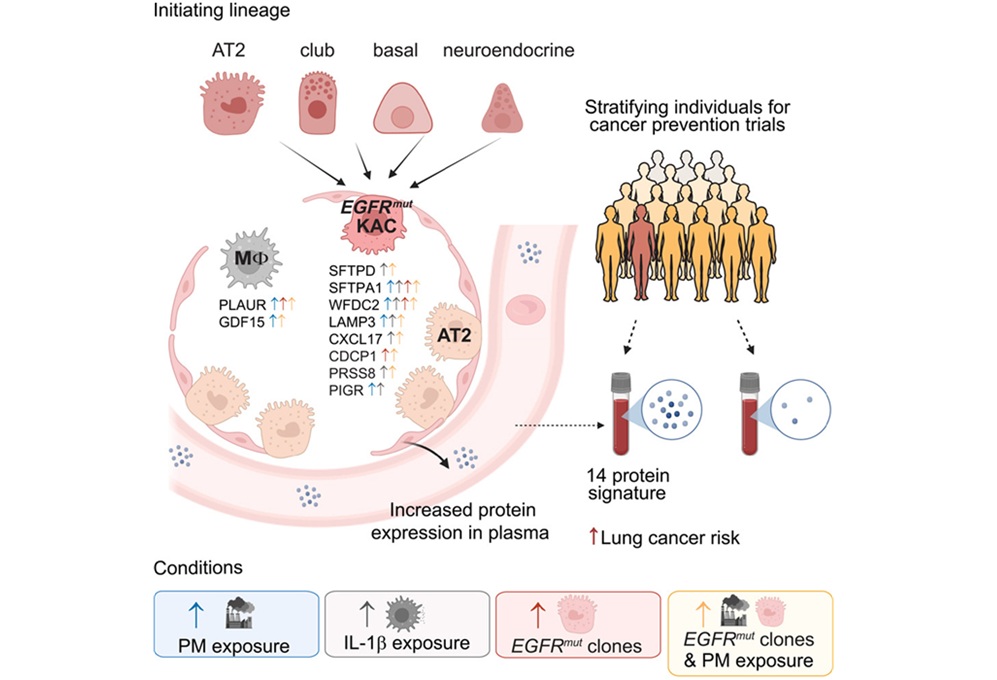
Hematology
view channel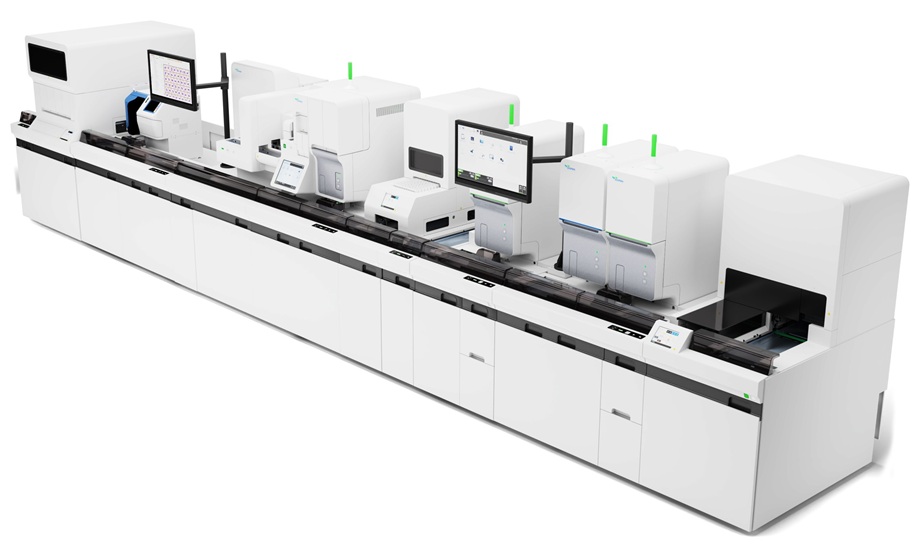
Next-Generation Hematology Platform Streamlines High-Complexity Lab Workflows
Sysmex America (Chicago, IL, USA) has introduced the next generation XR-Series, centered on the XR-10 Automated Hematology Module for high-complexity laboratories. The platform builds on the widely used... Read more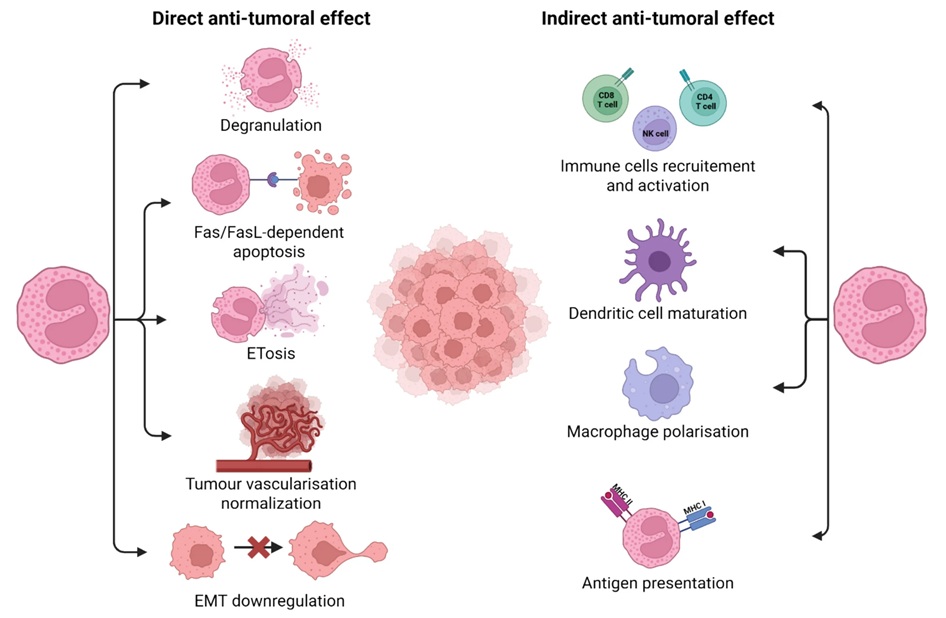
Blood Eosinophil Count May Predict Cancer Immunotherapy Response and Toxicity
Immune checkpoint inhibitors have improved outcomes across many cancers, yet only a subset of patients derive durable benefit and biomarkers to guide treatment remain limited. Eosinophils, best known for... Read more
Immunology
view channel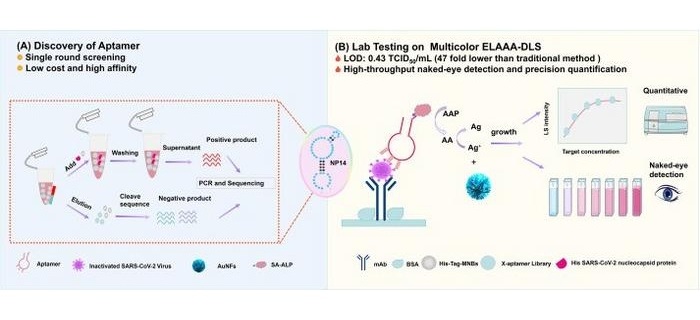
Aptamer-Based Biosensor Enables Mutation-Resilient SARS-CoV-2 Detection
Rapid evolution of severe acute respiratory syndrome coronavirus 2 (SARS-CoV-2) can undermine existing molecular diagnostics, especially when assays target small viral components. Double-antibody sandwich... Read more
Study Points to Autoimmune Pathway Behind Long COVID Symptoms
Long COVID leaves many SARS-CoV-2 survivors with persistent fatigue, cognitive issues, palpitations, and musculoskeletal pain for months or years. Estimates cited in new research suggest 4%–20% of infected... Read more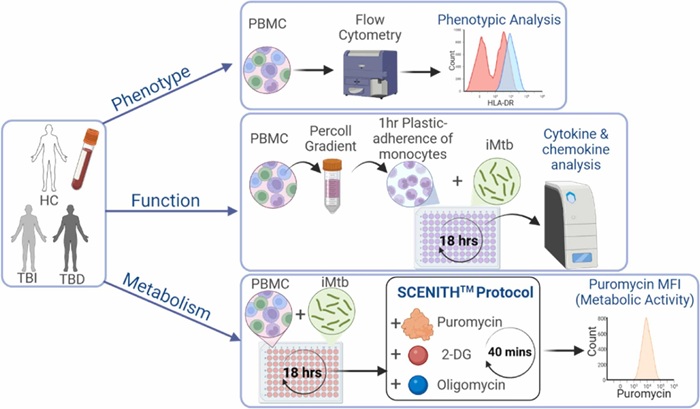
Metabolic Biomarker Distinguishes Latent from Active Tuberculosis and Tracks Treatment Response
Tuberculosis (TB) remains the world’s leading infectious killer, with 10.8 million cases and 1.25 million deaths recorded globally in 2023. Yet many infected individuals never develop active disease, underscoring... Read more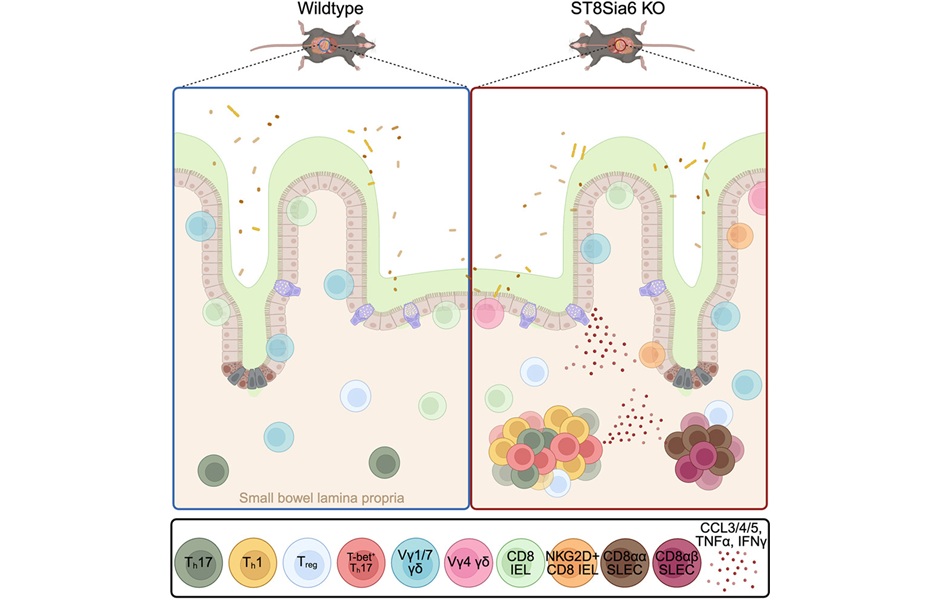
Microbiology
view channel
New Culture Medium Speeds C. difficile Resistance Detection and Reduces Costs
Clostridioides difficile infections remain a persistent threat in hospitals and communities, affecting about 500,000 people in the United States each year. Severe cases can be fatal within 30 days of diagnosis,... Read more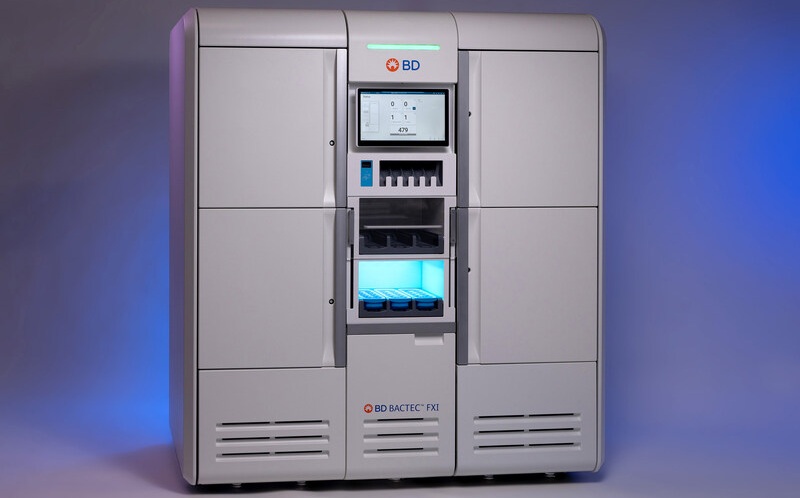
Automated Blood Culture System Speeds Detection of Bloodstream Infections
Bloodstream infections and sepsis require rapid laboratory detection to guide targeted antimicrobial therapy and reduce mortality. Conventional blood culture workflows can delay actionable results by critical... Read more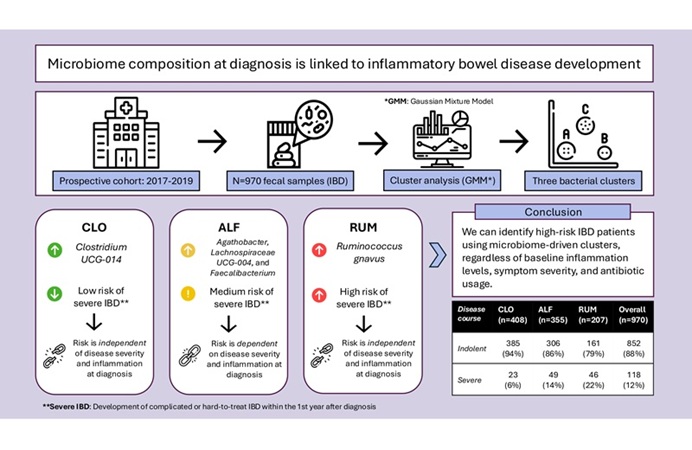
Technology
view channel
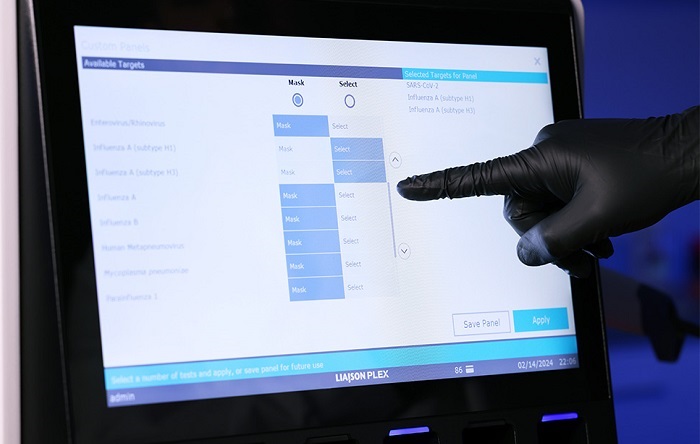
AI Platform Links Biomarker Results to Cancer Clinical Trials and Guidelines
Oncology teams must manage growing volumes of genomic data, rapidly evolving clinical trial options, and frequently updated care guidelines, all within tight clinic schedules. Translating complex tumor... Read more
Agentic AI Platform Supports Genomic Decision-Making in Oncology
Oncology care teams increasingly face the challenge of managing complex molecular diagnostics, evolving treatment options, and extensive electronic health record documentation. Translating multimodal data... Read more

Industry
view channel
Collaboration Advances ctDNA-Guided Development in Metastatic Colorectal Cancer
Natera, Inc. (Austin, TX, USA) and CytoDyn Inc. (Vancouver, WA, USA) announced a strategic collaboration focused on metastatic colorectal cancer (mCRC). Under the agreement, Natera will evaluate circulating... Read more