Biomarker Identifies Sarcopenia Patients with Excessive Neurotrypsin Activity
|
By LabMedica International staff writers Posted on 07 Mar 2012 |


|
A novel biomarker was developed to identify the subgroup of patients (40%), whose sarcopenia is caused by excessive neurotrypsin activity.
The biomarker developed by Neurotune (Zurich, Switzerland), is the 22 kDa C-terminal agrin fragment (CAF). When agrin is inactivated by neurotrypsin, CAF is released and can be detected in the blood. Elevated levels of CAF are indicative of increased neurotrypsin activity and a measure of reduced neuromuscular junctions (NMJs) strength. The NTCAF enzyme-linked immunosorbent assay (ELISA) detects CAF in human serum.
Neurotrypsin regulates the strength of communication between nerve and muscle cells by cleaving and inactivating agrin. Excessive neurotrypsin activity causes deterioration of the synapses and subsequently muscle atrophy.
CAF is detectable in serum in healthy adults, aged between 20-75 years, defining a normal range. Approximately 40% of sarcopenia patients show statistically significant increased CAF levels above normal.
NTCAF ELISA was developed by Neurotune in collaboration with MicroCoat Biotechnologie GmbH (Bernried am Starnberger See, Germany), and the Eureka-Eurostars program (Brussels, Belgium). It is available immediately from Neurotune.
Neurotune is continuing to develop the ELISA assay as a marker of dysfunction of the neurotrypsin/agrin system in other pathological conditions.
Sarcopenia is a debilitating muscle disorder frequently affecting the elderly for which there is currently no cure. It is defined as loss of skeletal muscle mass and strength that occurs with advancing age. The current diagnosis of the disease is by dual-emission X-ray absorptiometry (DXA) scan, which measures lean body mass (LBM) in combination with functional tests. This cumbersome technique does not provide information on the underlying cause of loss of LBM.
It is estimated that sarcopenia currently affects over 50 million people worldwide and with the aging population this is expected to increase to over 200 million in the next 40 years.
Neurotune develops medications to treat disorders of the human nervous system. MicroCoat Biotechnologie is active in the field of immune and nucleic acid diagnostics. The purpose of the Eurostars Program is to provide funding for market-oriented research and development by small and medium-sized enterprises.
Related Links:
Neurotune
MicroCoat Biotechnologie GmbH
Eureka-Eurostars program





The biomarker developed by Neurotune (Zurich, Switzerland), is the 22 kDa C-terminal agrin fragment (CAF). When agrin is inactivated by neurotrypsin, CAF is released and can be detected in the blood. Elevated levels of CAF are indicative of increased neurotrypsin activity and a measure of reduced neuromuscular junctions (NMJs) strength. The NTCAF enzyme-linked immunosorbent assay (ELISA) detects CAF in human serum.
Neurotrypsin regulates the strength of communication between nerve and muscle cells by cleaving and inactivating agrin. Excessive neurotrypsin activity causes deterioration of the synapses and subsequently muscle atrophy.
CAF is detectable in serum in healthy adults, aged between 20-75 years, defining a normal range. Approximately 40% of sarcopenia patients show statistically significant increased CAF levels above normal.
NTCAF ELISA was developed by Neurotune in collaboration with MicroCoat Biotechnologie GmbH (Bernried am Starnberger See, Germany), and the Eureka-Eurostars program (Brussels, Belgium). It is available immediately from Neurotune.
Neurotune is continuing to develop the ELISA assay as a marker of dysfunction of the neurotrypsin/agrin system in other pathological conditions.
Sarcopenia is a debilitating muscle disorder frequently affecting the elderly for which there is currently no cure. It is defined as loss of skeletal muscle mass and strength that occurs with advancing age. The current diagnosis of the disease is by dual-emission X-ray absorptiometry (DXA) scan, which measures lean body mass (LBM) in combination with functional tests. This cumbersome technique does not provide information on the underlying cause of loss of LBM.
It is estimated that sarcopenia currently affects over 50 million people worldwide and with the aging population this is expected to increase to over 200 million in the next 40 years.
Neurotune develops medications to treat disorders of the human nervous system. MicroCoat Biotechnologie is active in the field of immune and nucleic acid diagnostics. The purpose of the Eurostars Program is to provide funding for market-oriented research and development by small and medium-sized enterprises.
Related Links:
Neurotune
MicroCoat Biotechnologie GmbH
Eureka-Eurostars program

Gold Member
Automatic Hematology Analyzer
CF9600
Electrolyte Analyzer
CBS-4000 (CBS-400)
Automated Clinical Chemistry Analyzer
Envoy 500+
Latest Immunology News
- Aptamer-Based Biosensor Enables Mutation-Resilient SARS-CoV-2 Detection
- Metabolic Biomarker Distinguishes Latent from Active Tuberculosis and Tracks Treatment Response
- Study Points to Autoimmune Pathway Behind Long COVID Symptoms
- Immune Enzyme Linked to Treatment-Resistant Inflammatory Bowel Disease
- Simple Blood Test Could Replace Biopsies for Lung Transplant Rejection Monitoring
- Routine TB Screening Test May Reveal Immune Aging and Mortality Risk
- Biomarkers and Molecular Testing Advance Precision Allergy Care
- Point-of-Care Tests Could Expand Access to Mpox Diagnosis
- T-Cell Senescence Profiling May Predict CAR T Responses
- Finger-Prick Lateral Flow Test Detects Sepsis Biomarkers at Point of Care
- Study Highlights Low Sensitivity of Current Lyme Tests in Early Infection
- Immune Aging Clock Quantifies Immunosenescence and Identifies Therapeutic Target
- Study Finds Influenza Often Undiagnosed in Winter Deaths
- Combined Screening Approach Identifies Early Leprosy Cases
- Antibody Blood Test Identifies Active TB and Distinguishes Latent Infection
- FDA Approval Expands Use of PD-L1 Companion Diagnostic in Esophageal and GEJ Carcinomas
Channels
Clinical Chemistry
view channel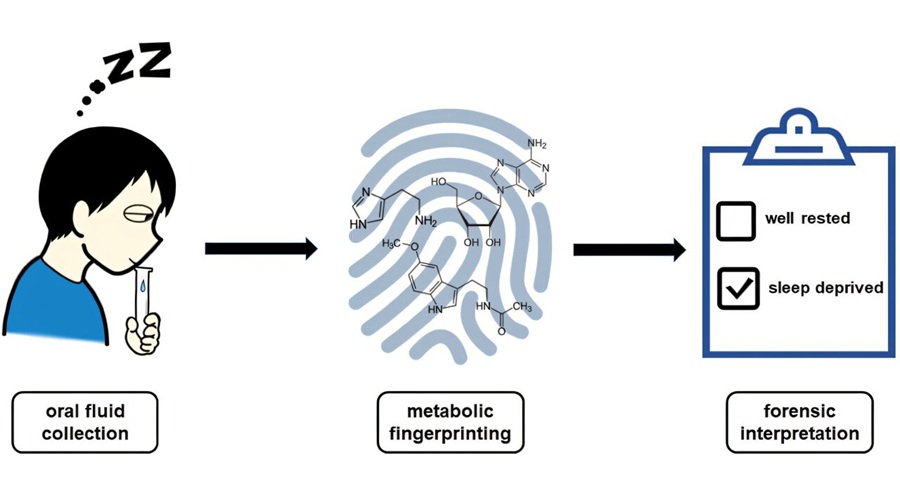
Saliva-Based Test Detects Biochemical Signs of Sleep Loss
Acute sleep loss impairs cognition and motor skills, raising safety risks that resemble alcohol intoxication. Clinicians currently lack an objective biochemical test to determine when someone is dangerously... Read more
Simple Dual-Tau Blood Test Detects and Stages Alzheimer’s Disease
Alzheimer’s disease is typically confirmed and staged with positron emission tomography scans and cerebrospinal fluid testing, procedures that are costly and invasive. Broader access to minimally invasive... Read more
Alzheimer’s Blood Biomarkers Linked to Early Cognitive Differences Before Dementia
Blood-based screening for Alzheimer’s disease offers a noninvasive, lower-cost alternative to brain imaging or spinal fluid testing, yet its ability to flag the earliest cognitive changes has been unclear.... Read more
Molecular Diagnostics
view channel
Blood Test Predicts Immunotherapy Response in Head and Neck Cancer
Head and neck squamous cell carcinoma affects hundreds of thousands of people worldwide each year, yet response rates to immunotherapy remain low. Clinicians lack reliable, minimally invasive tools to... Read more
New PCR Assay Supports Bundibugyo Ebola Outbreak Surveillance
Rapid identification of Ebola infections is essential to limit transmission and guide public health response, yet detection can be difficult when outbreaks involve rare variants. The current outbreaks... Read more
Hematology
view channel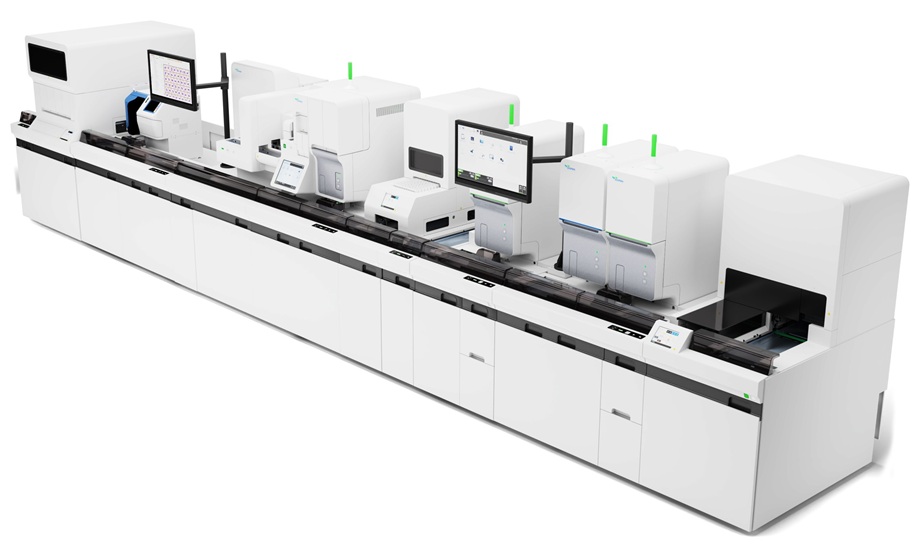
Next-Generation Hematology Platform Streamlines High-Complexity Lab Workflows
Sysmex America (Chicago, IL, USA) has introduced the next generation XR-Series, centered on the XR-10 Automated Hematology Module for high-complexity laboratories. The platform builds on the widely used... Read more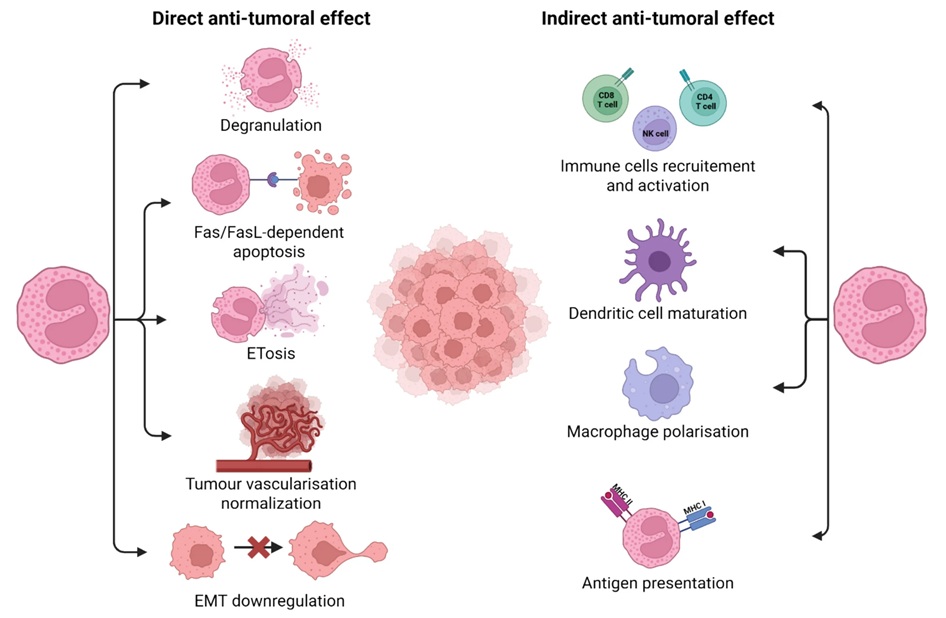
Blood Eosinophil Count May Predict Cancer Immunotherapy Response and Toxicity
Immune checkpoint inhibitors have improved outcomes across many cancers, yet only a subset of patients derive durable benefit and biomarkers to guide treatment remain limited. Eosinophils, best known for... Read more
Microbiology
view channel
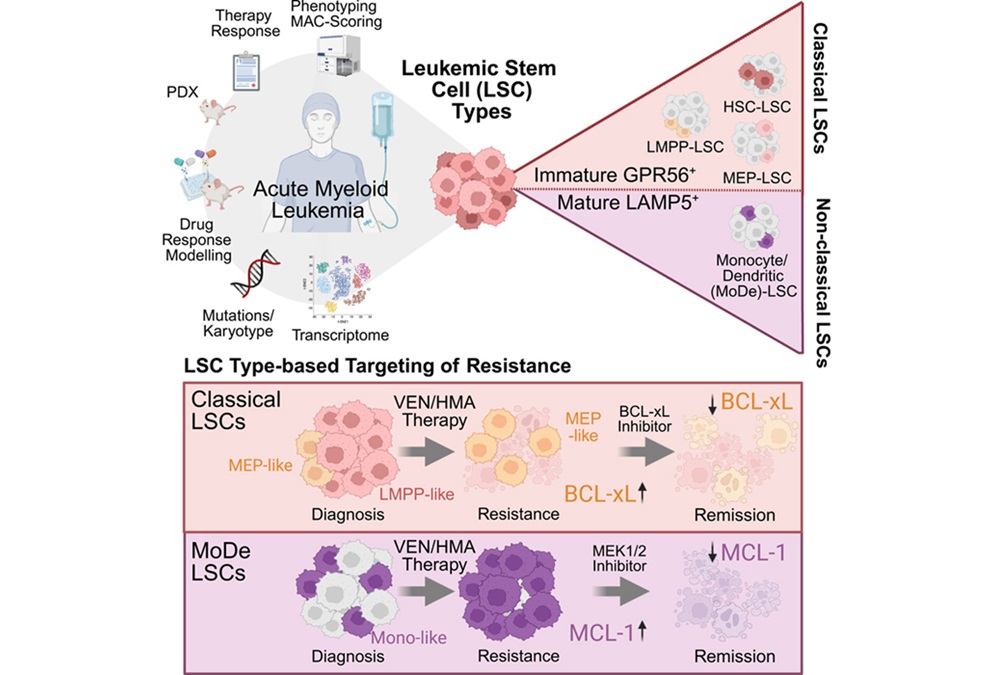
New Culture Medium Speeds C. difficile Resistance Detection and Reduces Costs
Clostridioides difficile infections remain a persistent threat in hospitals and communities, affecting about 500,000 people in the United States each year. Severe cases can be fatal within 30 days of diagnosis,... Read more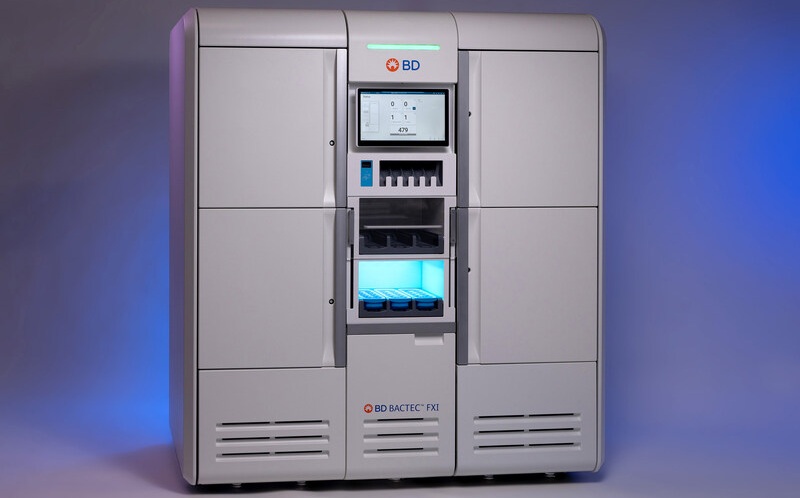
Automated Blood Culture System Speeds Detection of Bloodstream Infections
Bloodstream infections and sepsis require rapid laboratory detection to guide targeted antimicrobial therapy and reduce mortality. Conventional blood culture workflows can delay actionable results by critical... Read more
Pathology
view channel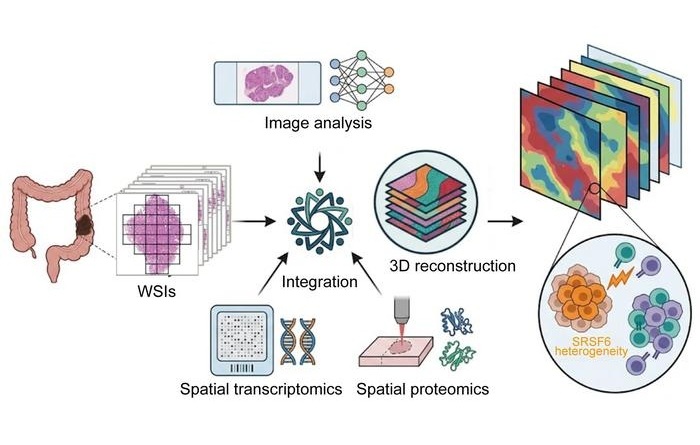
3D Spatial Multi-Omics Maps Intra-Tumor Diversity in Colorectal Cancer
Colorectal cancer remains a leading cause of cancer death, and clinical decision-making is complicated by marked intra-tumor heterogeneity. Conventional bulk sequencing averages molecular signals across... Read more
Blood-Based Method Tracks Gene Activity in the Living Brain
Real-time measurement of gene activity in the brain has been limited by assays requiring destructive tissue sampling. Tracking active genes could reveal how the body responds to environmental factors,... Read more
Technology
view channel
AI Platform Links Biomarker Results to Cancer Clinical Trials and Guidelines
Oncology teams must manage growing volumes of genomic data, rapidly evolving clinical trial options, and frequently updated care guidelines, all within tight clinic schedules. Translating complex tumor... Read more
Agentic AI Platform Supports Genomic Decision-Making in Oncology
Oncology care teams increasingly face the challenge of managing complex molecular diagnostics, evolving treatment options, and extensive electronic health record documentation. Translating multimodal data... Read more
Industry
view channel
Collaboration Advances ctDNA-Guided Development in Metastatic Colorectal Cancer
Natera, Inc. (Austin, TX, USA) and CytoDyn Inc. (Vancouver, WA, USA) announced a strategic collaboration focused on metastatic colorectal cancer (mCRC). Under the agreement, Natera will evaluate circulating... Read more