Laboratory Medicine and Nosocomial Infections: Fending Ebolavirus
|
By LabMedica International staff writers Posted on 23 Feb 2010 |


|
The organism that was the most alarming to the public was the Ebolavirus. In the early stages, Ebola might not be highly contagious i.e., contact with someone who is in the early stage might not even transmit the disease.
As the illness progresses, bodily fluids from diarrhea, vomiting, and bleeding represent a hazard. Large-scale epidemics occur mostly in poor, isolated areas without modern hospitals or well-educated medical staff. Many areas where the infectious reservoir exists have just these characteristics. In such environments, all that can be done is to immediately cease all needle-sharing or use without adequate sterilization procedures, isolate patients, and observe strict barrier nursing procedures with the use of a medical rated disposable face mask, gloves, goggles, and a gown at all times. This should be strictly enforced for all medical personnel and visitors.
In 2006 a study testing a fast acting, single shot vaccine began. The study was completed in 2008.
In March 2009, a German research scientist in advertently pricked herself with material containing Ebolavirus. It was decided to vaccinate her with the new vaccine, after which she developed a fever Scientific American reported, "At that moment, when she developed the fever, it wasn't clear if it was due to the Ebolavirus," But after the virus' three-week incubation period passed and no other Ebola symptoms surfaced, it appeared that the vaccine—and not the Ebolavirus—was responsible.
Other hemorrhagic viruses, particularly Lassa virus, Nairovirus (causes Crimean-Congo hemorrhagic fever--CCHF), and Marburgvirus cause nosocomial diseases. The findings of laboratory investigation vary somewhat between the viruses-usually the total white cell count decreases, serum liver enzymes increase, and both prothrombin and active partial prothrombin times rise. The hematocrit may be elevated. The serum urea and creatine may be raised but this is dependent on the hydration status of the patient. The bleeding time tends to be prolonged.




As the illness progresses, bodily fluids from diarrhea, vomiting, and bleeding represent a hazard. Large-scale epidemics occur mostly in poor, isolated areas without modern hospitals or well-educated medical staff. Many areas where the infectious reservoir exists have just these characteristics. In such environments, all that can be done is to immediately cease all needle-sharing or use without adequate sterilization procedures, isolate patients, and observe strict barrier nursing procedures with the use of a medical rated disposable face mask, gloves, goggles, and a gown at all times. This should be strictly enforced for all medical personnel and visitors.
In 2006 a study testing a fast acting, single shot vaccine began. The study was completed in 2008.
In March 2009, a German research scientist in advertently pricked herself with material containing Ebolavirus. It was decided to vaccinate her with the new vaccine, after which she developed a fever Scientific American reported, "At that moment, when she developed the fever, it wasn't clear if it was due to the Ebolavirus," But after the virus' three-week incubation period passed and no other Ebola symptoms surfaced, it appeared that the vaccine—and not the Ebolavirus—was responsible.
Other hemorrhagic viruses, particularly Lassa virus, Nairovirus (causes Crimean-Congo hemorrhagic fever--CCHF), and Marburgvirus cause nosocomial diseases. The findings of laboratory investigation vary somewhat between the viruses-usually the total white cell count decreases, serum liver enzymes increase, and both prothrombin and active partial prothrombin times rise. The hematocrit may be elevated. The serum urea and creatine may be raised but this is dependent on the hydration status of the patient. The bleeding time tends to be prolonged.

Gold Member
Nucleic Acid Extractor System
NEOS-96 XT
Hematology Consumables
Bioblood Devices
Automated Urinalysis Solution
UN-9000
Latest Clinical Chem. News
- Saliva-Based Test Detects Biochemical Signs of Sleep Loss
- Simple Dual-Tau Blood Test Detects and Stages Alzheimer’s Disease
- Alzheimer’s Blood Biomarkers Linked to Early Cognitive Differences Before Dementia
- Urine-Based Test Shows Promise for Autism Screening in Children
- Blood-Based Sensor Detects Early Signs of Alzheimer’s and Parkinson’s
- Liquid Biopsy Biomarkers May Improve Childhood Epilepsy Diagnosis
- Urine-Based Alzheimer’s Test Receives FDA Breakthrough Device Designation
- Fluid Biomarker Improves Diagnosis and Monitoring of Primary CNS Lymphoma
- New CA19-9 Cutoff Value Helps Identify High-Risk Pancreatic Cancer Patients
- Blood-Based Biomarkers Show Promise for Psychosis Risk Prediction
- International Experts Recommend Ending Routine 'Corrected' Calcium Reporting
- Long-Term Data Show PSA Screening Modestly Reduces Prostate Cancer Deaths
- Urine-Based Nanosensor Tracks Lung Cancer and Fibrosis Noninvasively
- FDA-Cleared Assay Enables Comprehensive Automated Testosterone Testing
- CE-Marked Blood Biomarker Test Advances Automated Alzheimer’s Diagnostics
- Blood-Based Alzheimer’s Test Gains CE Mark for Amyloid Pathology Detection
Channels
Clinical Chemistry
view channel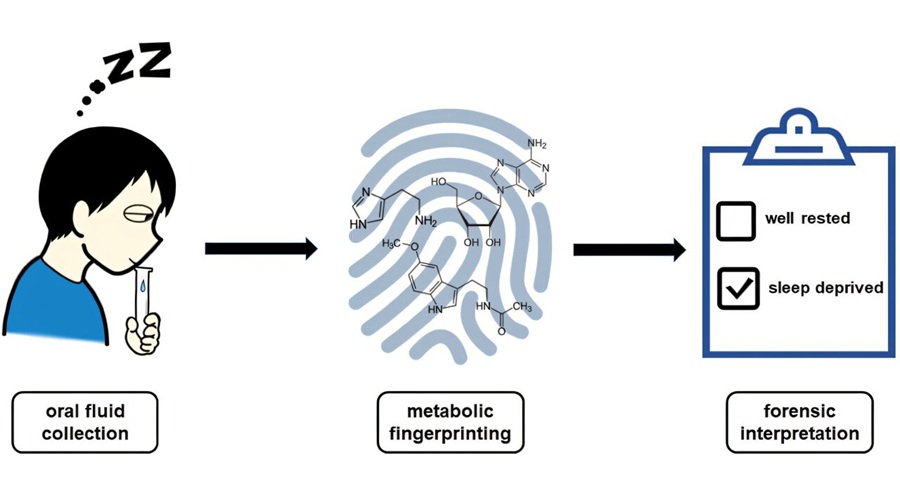
Saliva-Based Test Detects Biochemical Signs of Sleep Loss
Acute sleep loss impairs cognition and motor skills, raising safety risks that resemble alcohol intoxication. Clinicians currently lack an objective biochemical test to determine when someone is dangerously... Read more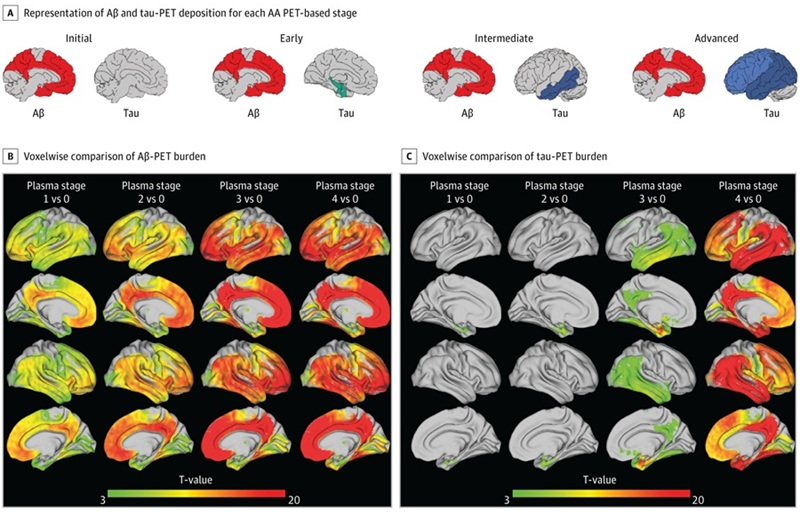
Simple Dual-Tau Blood Test Detects and Stages Alzheimer’s Disease
Alzheimer’s disease is typically confirmed and staged with positron emission tomography scans and cerebrospinal fluid testing, procedures that are costly and invasive. Broader access to minimally invasive... Read more
Alzheimer’s Blood Biomarkers Linked to Early Cognitive Differences Before Dementia
Blood-based screening for Alzheimer’s disease offers a noninvasive, lower-cost alternative to brain imaging or spinal fluid testing, yet its ability to flag the earliest cognitive changes has been unclear.... Read more
Molecular Diagnostics
view channel
New PCR Assay Supports Bundibugyo Ebola Outbreak Surveillance
Rapid identification of Ebola infections is essential to limit transmission and guide public health response, yet detection can be difficult when outbreaks involve rare variants. The current outbreaks... Read more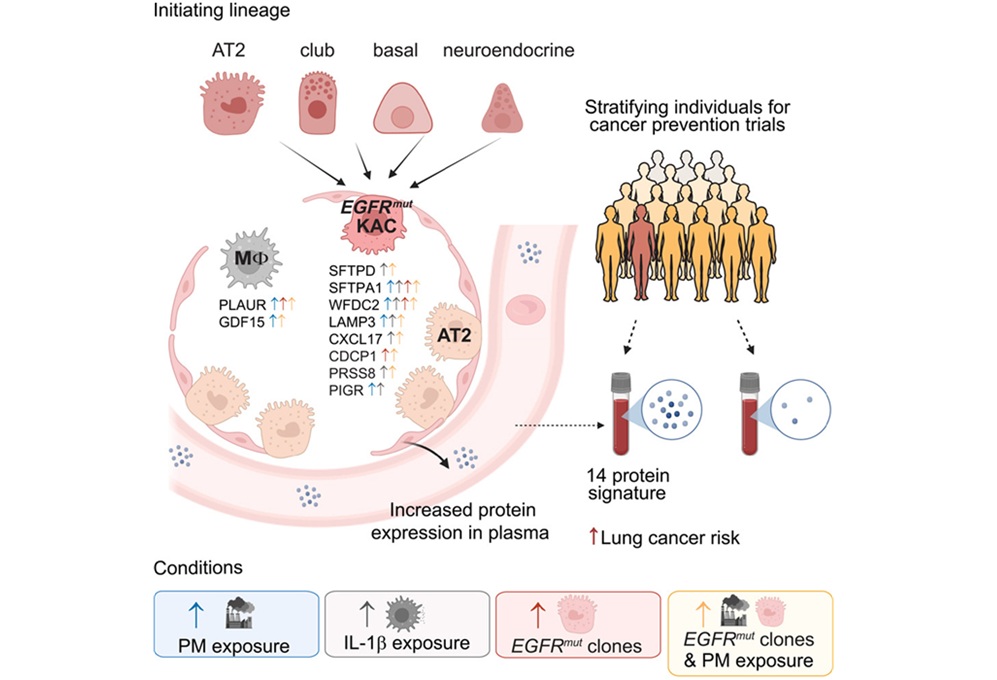
Plasma Protein Signature Predicts Lung Cancer Risk Up to Five Years Ahead
Lung cancer remains a leading cause of cancer death, and many cases are detected only after symptoms appear. Current screening programs largely target people with a history of smoking, leaving other at-risk... Read more
Hematology
view channel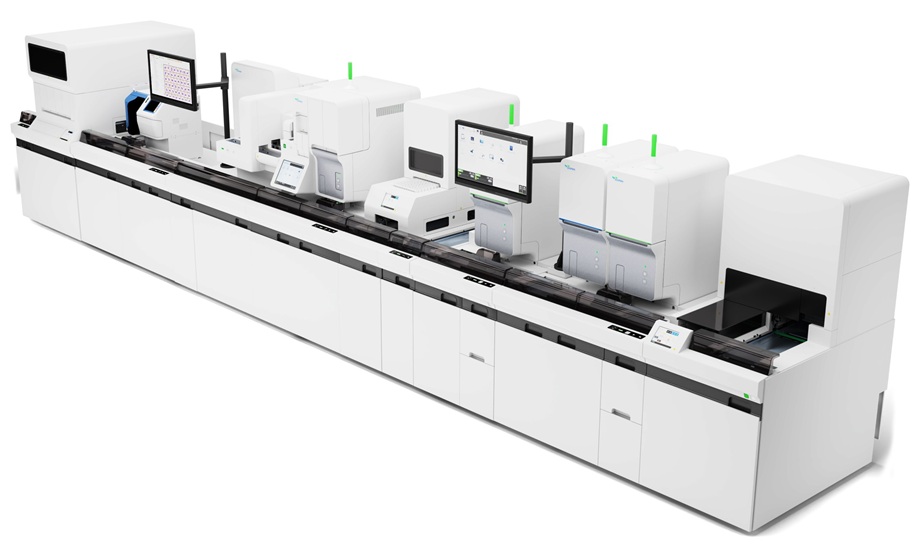
Next-Generation Hematology Platform Streamlines High-Complexity Lab Workflows
Sysmex America (Chicago, IL, USA) has introduced the next generation XR-Series, centered on the XR-10 Automated Hematology Module for high-complexity laboratories. The platform builds on the widely used... Read more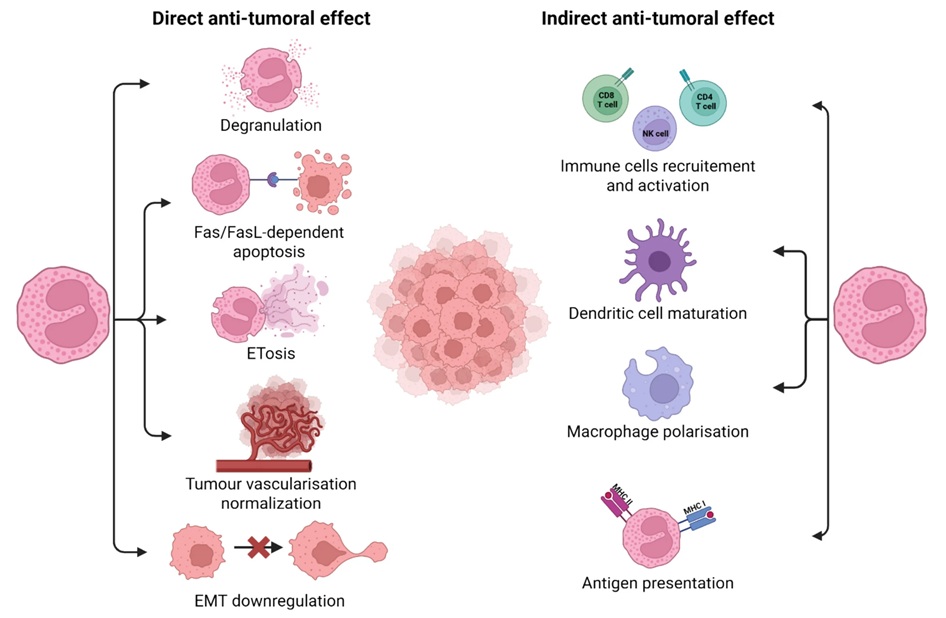
Blood Eosinophil Count May Predict Cancer Immunotherapy Response and Toxicity
Immune checkpoint inhibitors have improved outcomes across many cancers, yet only a subset of patients derive durable benefit and biomarkers to guide treatment remain limited. Eosinophils, best known for... Read more
Immunology
view channel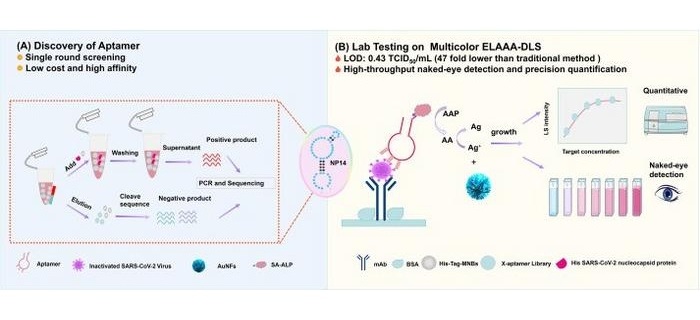
Aptamer-Based Biosensor Enables Mutation-Resilient SARS-CoV-2 Detection
Rapid evolution of severe acute respiratory syndrome coronavirus 2 (SARS-CoV-2) can undermine existing molecular diagnostics, especially when assays target small viral components. Double-antibody sandwich... Read more
Study Points to Autoimmune Pathway Behind Long COVID Symptoms
Long COVID leaves many SARS-CoV-2 survivors with persistent fatigue, cognitive issues, palpitations, and musculoskeletal pain for months or years. Estimates cited in new research suggest 4%–20% of infected... Read more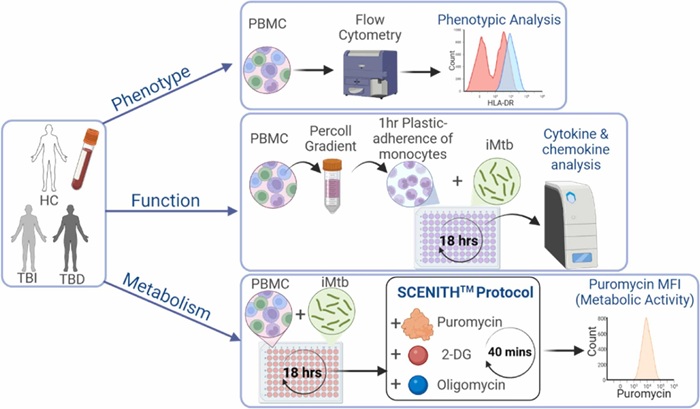
Metabolic Biomarker Distinguishes Latent from Active Tuberculosis and Tracks Treatment Response
Tuberculosis (TB) remains the world’s leading infectious killer, with 10.8 million cases and 1.25 million deaths recorded globally in 2023. Yet many infected individuals never develop active disease, underscoring... Read more
Pathology
view channel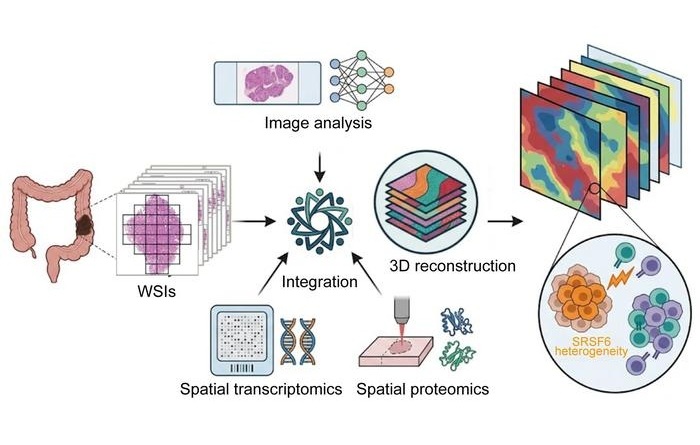
3D Spatial Multi-Omics Maps Intra-Tumor Diversity in Colorectal Cancer
Colorectal cancer remains a leading cause of cancer death, and clinical decision-making is complicated by marked intra-tumor heterogeneity. Conventional bulk sequencing averages molecular signals across... Read more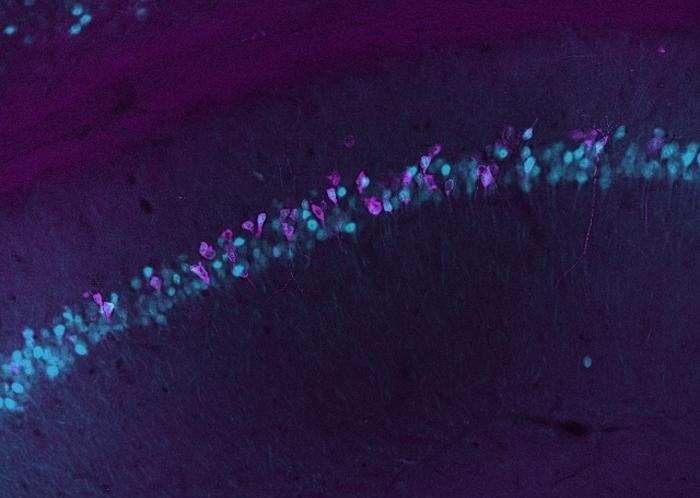
Blood-Based Method Tracks Gene Activity in the Living Brain
Real-time measurement of gene activity in the brain has been limited by assays requiring destructive tissue sampling. Tracking active genes could reveal how the body responds to environmental factors,... Read more
Technology
view channel
AI Platform Links Biomarker Results to Cancer Clinical Trials and Guidelines
Oncology teams must manage growing volumes of genomic data, rapidly evolving clinical trial options, and frequently updated care guidelines, all within tight clinic schedules. Translating complex tumor... Read more
Agentic AI Platform Supports Genomic Decision-Making in Oncology
Oncology care teams increasingly face the challenge of managing complex molecular diagnostics, evolving treatment options, and extensive electronic health record documentation. Translating multimodal data... Read more
Industry
view channel
Collaboration Advances ctDNA-Guided Development in Metastatic Colorectal Cancer
Natera, Inc. (Austin, TX, USA) and CytoDyn Inc. (Vancouver, WA, USA) announced a strategic collaboration focused on metastatic colorectal cancer (mCRC). Under the agreement, Natera will evaluate circulating... Read more