Genome Sequencing Study Finds Clues to Determining Causes of Lethal Epidemics
|
By LabMedica International staff writers Posted on 19 Feb 2010 |


|
A team of collaborating scientists has sequenced almost 100 full genomes from three successive epidemics of flesh-eating bacteria. This has resulted in the first precise explanation of the biologic events contributing to deadly epidemics of severe infection. This method can be used to track and help prevent epidemics in the future.
The scientists involved in the project were from at the Methodist Hospital Research Institute (Houston, TX, USA), the Broad Institute (Boston, MA, USA), Mount Sinai Hospital (Toronto, ON, Canada) and the Ontario Agency for Health Protection and Promotion (OAHPP). Results of this research, funded by the U.S. National Institutes of Health (Bethesda, MD, USA) and The Methodist Hospital Research Institute, appear in a study published online January 21, 2010, in Proceedings of the [U.S.] National Academy of Sciences (PNAS).
"The extensive full-genome data provide us with new clues about the bacteria's ability to take advantage of vulnerabilities in the person who has contracted the bacteria,” said Dr. James M. Musser, codirector of the Methodist Hospital Research Institute and the senior, corresponding author of the study. "With this type of unique molecular portrait of the bacterial pathogen, we can more effectively develop drugs to prevent the spread of epidemics and construct novel diagnostic and treatment strategies.”
"Until now, it has been a mystery why sometimes we see two opposing types of infection in patients who appear to have the same strain of flesh-eating bacteria,” said Dr. Donald Low, chief microbiologist at Mount Sinai Hospital, medical director of the OAHPP Public Health Laboratories and one of the authors of the study. "In some cases, patients suffer from a devastating infection of tissue and muscle requiring extensive surgery, and, other patients present with a skin infection readily treated with antibiotics. Now, we understand in part why this happens.”
Understanding the full molecular architecture of bacterial epidemics has been a long-sought goal of infectious disease research, Dr. Low noted. Genetics and evolution research has long been hobbled by the lack of comprehensive genome-wide markers. The recent advent of massively parallel DNA sequencing techniques now permits full-genome sequences to be generated quickly. This opens an avenue to answering longstanding but previously economically costly questions in all areas of biomedical research, including bacterial epidemics.
Dr. Musser's lab, working closely with collaborators at Mount Sinai Hospital, the Ontario Provincial Public Health Laboratory, the Broad Institute, and Sequenom (San Diego, CA, USA) utilized short-read-length DNA sequencing combined with mass spectroscopy analysis of single nucleotide polymorphisms (SNPs), to study the molecular pathogenomics of three successive epidemics of invasive infections involving 344 serotype M3 group A Streptococcus in Ontario, Canada.
Sequencing the genome of 95 strains from the three epidemics, coupled with analysis of 280 biallelic SNPs in all 344 strains, revealed an unexpectedly complex population structure composed of a dynamic mixture of unique clonally related complexes. On average, each strain was differentiated from one another by only 49 SNPs and 11 insertion-deletion events (indels) in the core genome.
The investigators revealed that each strain has a distinct genome sequence, which brings unparalleled ability to monitor strain spread. The extensive full-genome data permitted the investigators to identify genes with unusually high rates of genetic variation, thereby providing new insights into selective forces at work in the host.
Related Links:
Methodist Hospital Research Institute
Broad Institute
Mount Sinai Hospital
Ontario Agency for Health Protection and Promotion
Sequenom
.jpg)





The scientists involved in the project were from at the Methodist Hospital Research Institute (Houston, TX, USA), the Broad Institute (Boston, MA, USA), Mount Sinai Hospital (Toronto, ON, Canada) and the Ontario Agency for Health Protection and Promotion (OAHPP). Results of this research, funded by the U.S. National Institutes of Health (Bethesda, MD, USA) and The Methodist Hospital Research Institute, appear in a study published online January 21, 2010, in Proceedings of the [U.S.] National Academy of Sciences (PNAS).
"The extensive full-genome data provide us with new clues about the bacteria's ability to take advantage of vulnerabilities in the person who has contracted the bacteria,” said Dr. James M. Musser, codirector of the Methodist Hospital Research Institute and the senior, corresponding author of the study. "With this type of unique molecular portrait of the bacterial pathogen, we can more effectively develop drugs to prevent the spread of epidemics and construct novel diagnostic and treatment strategies.”
"Until now, it has been a mystery why sometimes we see two opposing types of infection in patients who appear to have the same strain of flesh-eating bacteria,” said Dr. Donald Low, chief microbiologist at Mount Sinai Hospital, medical director of the OAHPP Public Health Laboratories and one of the authors of the study. "In some cases, patients suffer from a devastating infection of tissue and muscle requiring extensive surgery, and, other patients present with a skin infection readily treated with antibiotics. Now, we understand in part why this happens.”
Understanding the full molecular architecture of bacterial epidemics has been a long-sought goal of infectious disease research, Dr. Low noted. Genetics and evolution research has long been hobbled by the lack of comprehensive genome-wide markers. The recent advent of massively parallel DNA sequencing techniques now permits full-genome sequences to be generated quickly. This opens an avenue to answering longstanding but previously economically costly questions in all areas of biomedical research, including bacterial epidemics.
Dr. Musser's lab, working closely with collaborators at Mount Sinai Hospital, the Ontario Provincial Public Health Laboratory, the Broad Institute, and Sequenom (San Diego, CA, USA) utilized short-read-length DNA sequencing combined with mass spectroscopy analysis of single nucleotide polymorphisms (SNPs), to study the molecular pathogenomics of three successive epidemics of invasive infections involving 344 serotype M3 group A Streptococcus in Ontario, Canada.
Sequencing the genome of 95 strains from the three epidemics, coupled with analysis of 280 biallelic SNPs in all 344 strains, revealed an unexpectedly complex population structure composed of a dynamic mixture of unique clonally related complexes. On average, each strain was differentiated from one another by only 49 SNPs and 11 insertion-deletion events (indels) in the core genome.
The investigators revealed that each strain has a distinct genome sequence, which brings unparalleled ability to monitor strain spread. The extensive full-genome data permitted the investigators to identify genes with unusually high rates of genetic variation, thereby providing new insights into selective forces at work in the host.
Related Links:
Methodist Hospital Research Institute
Broad Institute
Mount Sinai Hospital
Ontario Agency for Health Protection and Promotion
Sequenom

Gold Member
Clinical Chemistry Assay
Sorbitol Dehydrogenase (SDH)
Urine Analyzer
respons® UDS100
Electrolyte Analyzer
BKE-B
Latest Molecular Diagnostics News
- New PCR Assay Supports Bundibugyo Ebola Outbreak Surveillance
- Plasma Protein Signature Predicts Lung Cancer Risk Up to Five Years Ahead
- Circulating Tumor DNA Testing Guides Chemotherapy, Reduces Relapse in Colon Cancer
- Researchers Uncover Distinct Chromosome Signature in Aggresive ALT Cancers
- Simple Cytogenetic Method Could Improve Classification of ALL Subtypes
- Blood-Based Assay Enables Noninvasive Monitoring of Sarcoma Immunotherapy Response
- Genomic Test Guides Chemotherapy Decisions in Early-Stage Breast Cancer
- Tumor Mutation Marker Helps Refine Lung Cancer Prognosis and Guide Therapy Selection
- Multi-Cancer Test Boosts Detection When Added to Standard Screening
- Blood-Based MRD Monitoring Supports Relapse Prevention in Leukemia
- Genomic Test Predicts Chemotherapy Benefit in Metastatic Prostate Cancer
- Blood Protein Markers Flag Multiple Sclerosis Risk Years Before Diagnosis
- Digital PCR Assays Support Surveillance of Bundibugyo Ebolavirus Outbreak
- Updated Guidance Prioritizes Stool-Based Colorectal Cancer Screening Tests
- Blood-Based Proteomic Test May Predict Treatment Response in Non-Small Cell Lung Cancer
- Position Statements Outline Evidence Standards for Multi-Cancer Detection Tests
Channels
Clinical Chemistry
view channel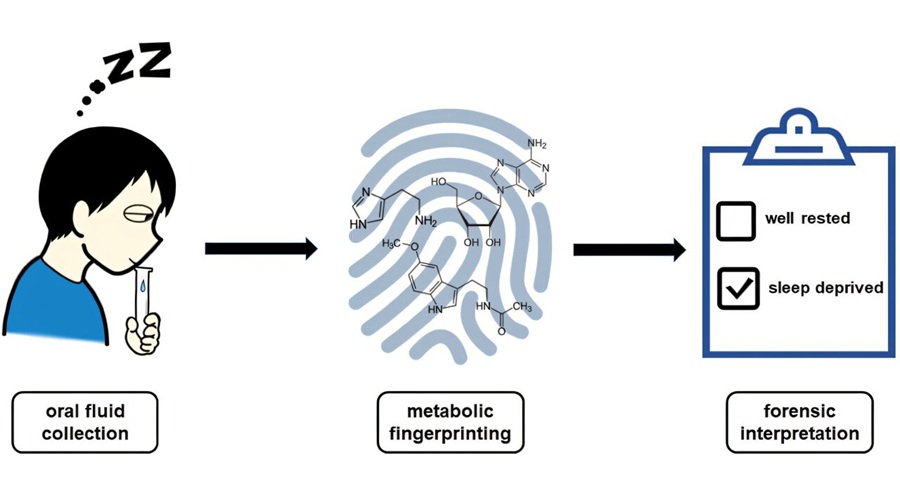
Saliva-Based Test Detects Biochemical Signs of Sleep Loss
Acute sleep loss impairs cognition and motor skills, raising safety risks that resemble alcohol intoxication. Clinicians currently lack an objective biochemical test to determine when someone is dangerously... Read more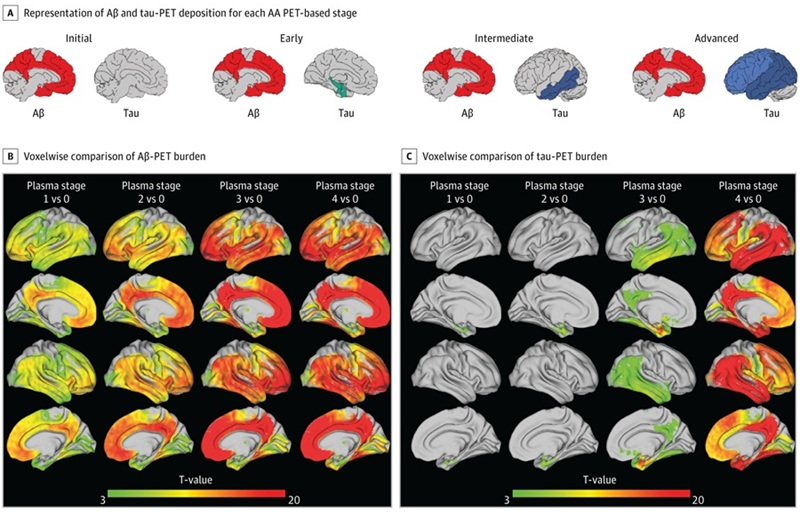
Simple Dual-Tau Blood Test Detects and Stages Alzheimer’s Disease
Alzheimer’s disease is typically confirmed and staged with positron emission tomography scans and cerebrospinal fluid testing, procedures that are costly and invasive. Broader access to minimally invasive... Read more
Alzheimer’s Blood Biomarkers Linked to Early Cognitive Differences Before Dementia
Blood-based screening for Alzheimer’s disease offers a noninvasive, lower-cost alternative to brain imaging or spinal fluid testing, yet its ability to flag the earliest cognitive changes has been unclear.... Read more
Molecular Diagnostics
view channel
New PCR Assay Supports Bundibugyo Ebola Outbreak Surveillance
Rapid identification of Ebola infections is essential to limit transmission and guide public health response, yet detection can be difficult when outbreaks involve rare variants. The current outbreaks... Read more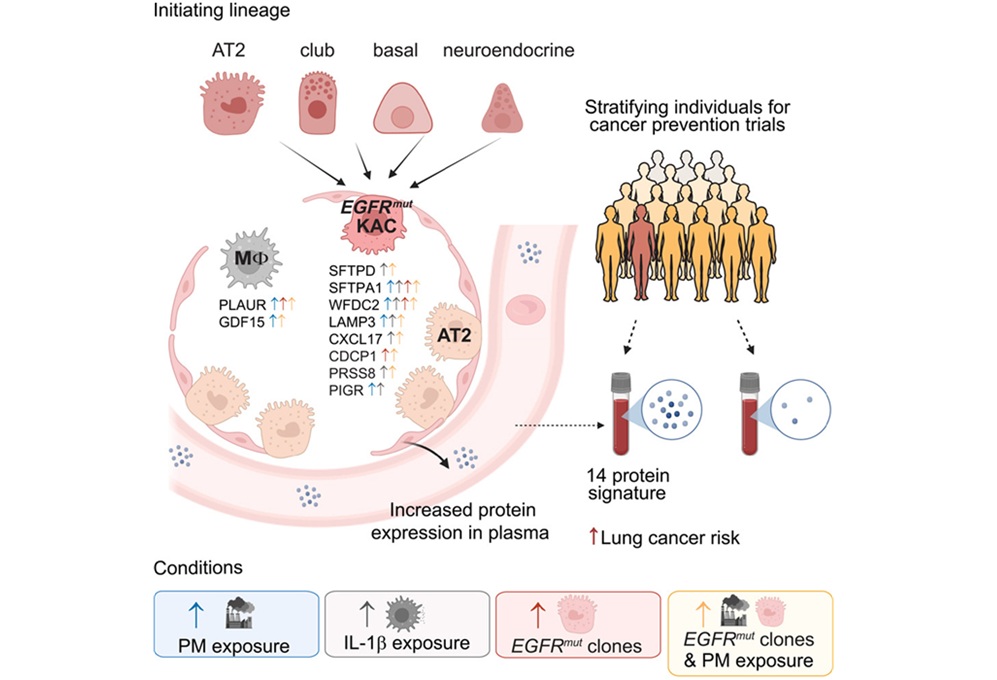
Plasma Protein Signature Predicts Lung Cancer Risk Up to Five Years Ahead
Lung cancer remains a leading cause of cancer death, and many cases are detected only after symptoms appear. Current screening programs largely target people with a history of smoking, leaving other at-risk... Read more

Hematology
view channel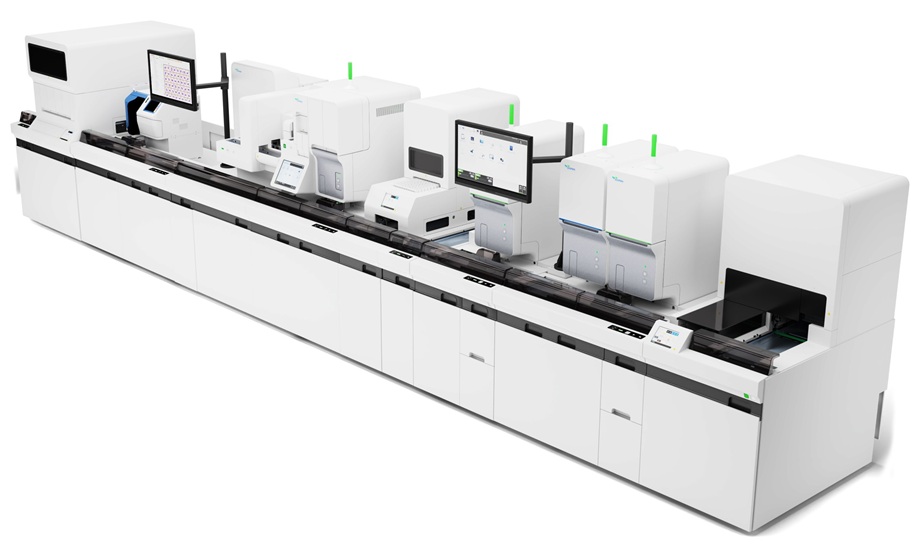
Next-Generation Hematology Platform Streamlines High-Complexity Lab Workflows
Sysmex America (Chicago, IL, USA) has introduced the next generation XR-Series, centered on the XR-10 Automated Hematology Module for high-complexity laboratories. The platform builds on the widely used... Read more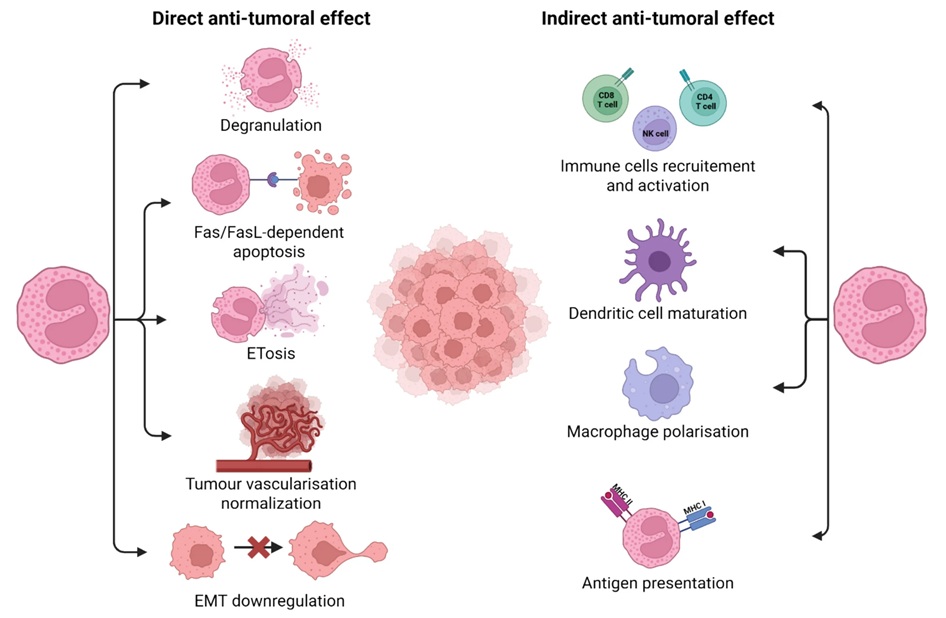
Blood Eosinophil Count May Predict Cancer Immunotherapy Response and Toxicity
Immune checkpoint inhibitors have improved outcomes across many cancers, yet only a subset of patients derive durable benefit and biomarkers to guide treatment remain limited. Eosinophils, best known for... Read more
Immunology
view channel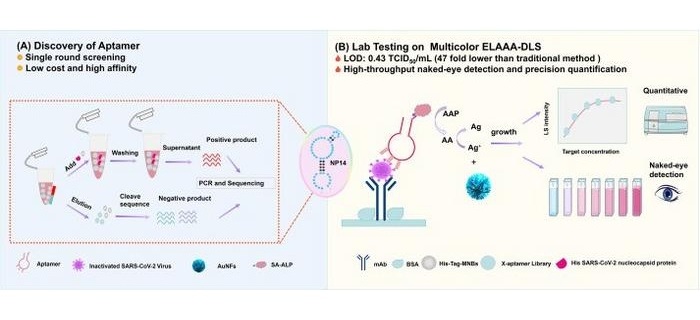
Aptamer-Based Biosensor Enables Mutation-Resilient SARS-CoV-2 Detection
Rapid evolution of severe acute respiratory syndrome coronavirus 2 (SARS-CoV-2) can undermine existing molecular diagnostics, especially when assays target small viral components. Double-antibody sandwich... Read more
Study Points to Autoimmune Pathway Behind Long COVID Symptoms
Long COVID leaves many SARS-CoV-2 survivors with persistent fatigue, cognitive issues, palpitations, and musculoskeletal pain for months or years. Estimates cited in new research suggest 4%–20% of infected... Read more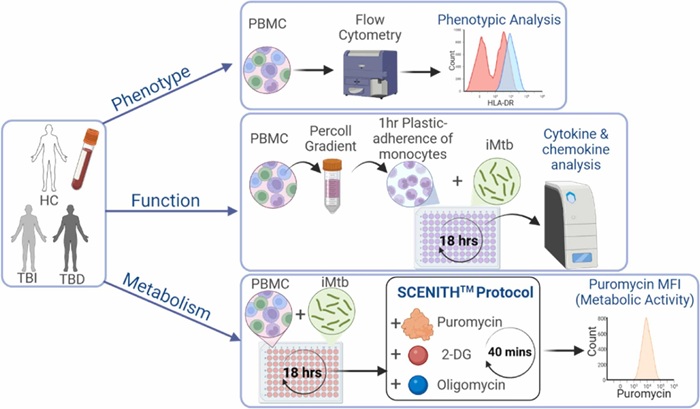
Metabolic Biomarker Distinguishes Latent from Active Tuberculosis and Tracks Treatment Response
Tuberculosis (TB) remains the world’s leading infectious killer, with 10.8 million cases and 1.25 million deaths recorded globally in 2023. Yet many infected individuals never develop active disease, underscoring... Read more
Microbiology
view channel
New Culture Medium Speeds C. difficile Resistance Detection and Reduces Costs
Clostridioides difficile infections remain a persistent threat in hospitals and communities, affecting about 500,000 people in the United States each year. Severe cases can be fatal within 30 days of diagnosis,... Read more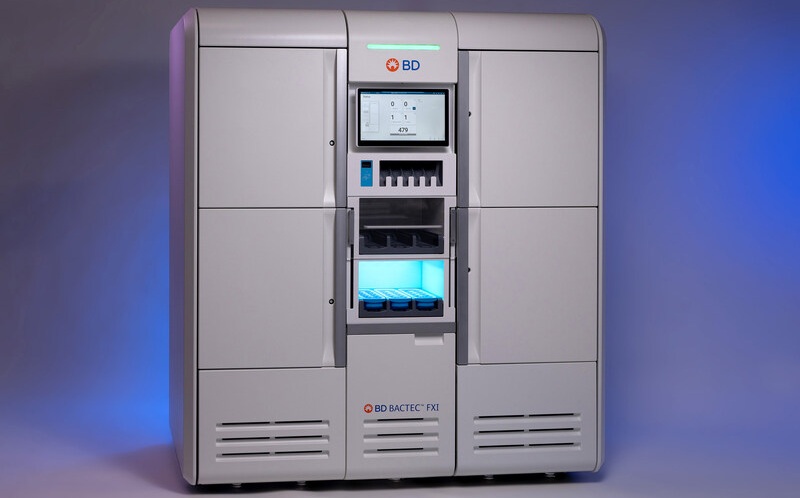
Automated Blood Culture System Speeds Detection of Bloodstream Infections
Bloodstream infections and sepsis require rapid laboratory detection to guide targeted antimicrobial therapy and reduce mortality. Conventional blood culture workflows can delay actionable results by critical... Read more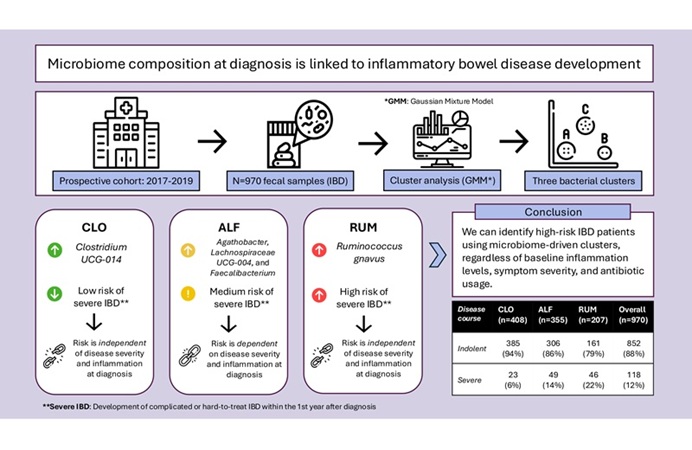
Pathology
view channel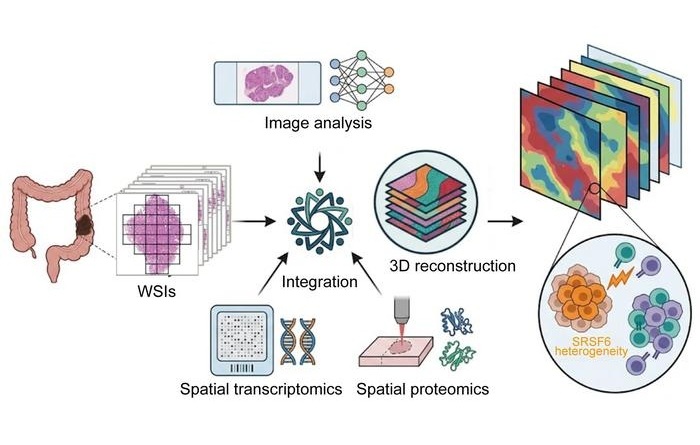
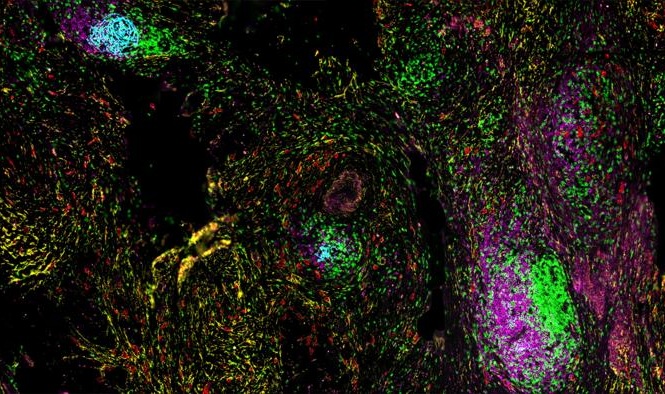
3D Spatial Multi-Omics Maps Intra-Tumor Diversity in Colorectal Cancer
Colorectal cancer remains a leading cause of cancer death, and clinical decision-making is complicated by marked intra-tumor heterogeneity. Conventional bulk sequencing averages molecular signals across... Read more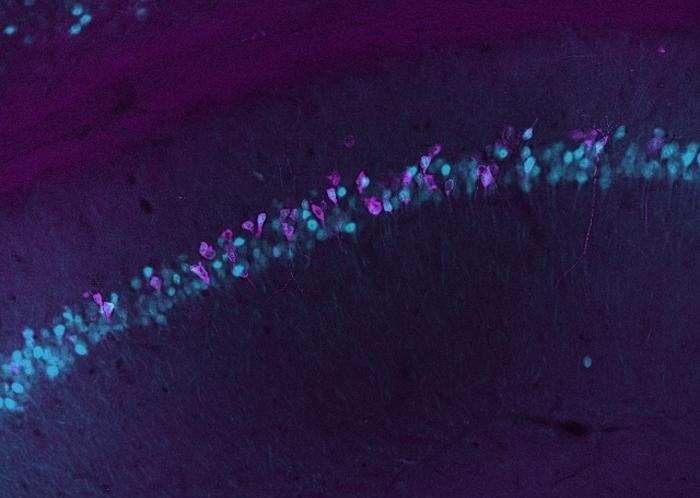
Blood-Based Method Tracks Gene Activity in the Living Brain
Real-time measurement of gene activity in the brain has been limited by assays requiring destructive tissue sampling. Tracking active genes could reveal how the body responds to environmental factors,... Read more
Technology
view channel
AI Platform Links Biomarker Results to Cancer Clinical Trials and Guidelines
Oncology teams must manage growing volumes of genomic data, rapidly evolving clinical trial options, and frequently updated care guidelines, all within tight clinic schedules. Translating complex tumor... Read more
Agentic AI Platform Supports Genomic Decision-Making in Oncology
Oncology care teams increasingly face the challenge of managing complex molecular diagnostics, evolving treatment options, and extensive electronic health record documentation. Translating multimodal data... Read more

Industry
view channel
Collaboration Advances ctDNA-Guided Development in Metastatic Colorectal Cancer
Natera, Inc. (Austin, TX, USA) and CytoDyn Inc. (Vancouver, WA, USA) announced a strategic collaboration focused on metastatic colorectal cancer (mCRC). Under the agreement, Natera will evaluate circulating... Read more