MR Spectroscopy May Help Diagnose Aggressiveness of Prostate Cancer
|
By LabMedica International staff writers Posted on 15 Feb 2010 |


|
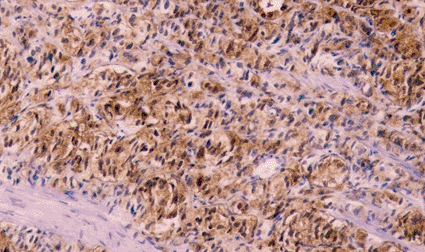
Image: Light micrograph of a section through a prostate gland showing cancerous cells (photo courtesy Dr. E. Walker / SPL).
Magnetic resonance spectroscopy (MRS), which analyzes the biochemistry instead of the structure of tissues, may soon be able both to pinpoint the precise location of prostate cancer and to determine the tumor's aggressiveness; data that could help guide treatment planning.
In the January 27, 2010, online issue of the journal Science Translational Medicine, Massachusetts General Hospital (MGH; Boston, MA, USA) researchers reported how spectroscopic analysis of the biochemical composition of prostate glands accurately identified the location of tissue confirmed to be malignant by conventional pathology.
"Collectively analyzing all the metabolites measurable with a 7-Tesla MR scanner maps out prostate cancer in a way that cannot be achieved by any other current radiological test or by analyzing changes in a single metabolite,” said Leo L. Cheng, Ph.D., of the MGH imaging and pathology departments, the study's senior author. "It detects tumors that cannot be found with other imaging approaches and may give us information that can help determine the best course of treatment.”
Prostate-specific antigen (PSA) screening indicates the potential presence of a tumor, but since benign prostate conditions also affect PSA levels, a surgical biopsy is necessary to detect cancer. Since a tumor may be confined to only a small portion of the prostate, without a way to identify the most suspicious regions, a biopsy sample can miss the malignant area. In 2005, Dr. Cheng and his colleagues found that information provided by MR spectroscopy could differentiate prostate cancer from benign tissue and was superior to conventional pathologic studies in determining a tumor's prognosis. That investigation analyzed tiny tissue samples with an advanced technique utilizing a powerful research magnet.
The current study, building on the 2005 study, utilized a clinical MR scanner to analyze whole prostate glands, an application that could be applied to patient care. Spectroscopic readings were taken across sections of five cancerous prostate glands that had been removed from patients. The scans measured proportions of metabolites--biochemicals produced by various metabolic processes--that had been associated with the presence of cancer using data from the 2005 study. After scanning was complete, the prostate glands were examined by standard histologic techniques, which determine the presence of tumor based on the tissue's appearance. The histologic analysis was performed in a manner that preserved the tumor's location within the prostate.
When the two analyses were compared, five out of seven prostate regions where histologically identified tumor was located also scored high on a spectroscopy-based "malignancy index” The two other tumor regions were near the outer edge of the prostates, where exposure to the air compromised the accuracy of MR spectroscopy findings. For those tumors that did match, higher malignancy index scores also corresponded with larger tumors. Moreover, while the malignancy index was most accurate in identifying stage II tumors--those confined to the prostate and large enough to be felt in a physical exam--its overall accuracy was more than 90%.
Dr. Cheng explained that a prostate tumor's complete metabolomic profile has the potential to give essential information on its biological status. "As we analyze more and more tumors with spectroscopy, we should be able to define profiles that reflect specific clinical and pathological states, achieving a true needle-free, MR biopsy,” he stated. "And once these spectra are measured, they can be recombined to provide profiles reflecting parameters from the tumor's location to, ultimately, its aggressiveness.”
Since the current study was conducted using a whole-body clinical MR scanner, it should be adaptable to scanning patients. Because it used the powerful 7-Tesla magnetic resonance equipment at the MGH's Martinos Center for Biomedical Imaging, Dr. Cheng plans to further evaluate the approach using 3-Tesla equipment, which is available at centers across the United States. He and his colleagues are also working on more powerful software to process the amount of data in a full metabolomic screen in real time. After additional studies confirm their current results, they hope to move into clinical trials within one year or two.
"As long as we can define appropriate metabolomic profiles, this concept could someday be used for any kind of tumor or medical condition,” added Dr. Cheng, an assistant professor of radiology (pathology) at Harvard Medical School (Boston, MA, USA). "Furthermore, this concept can be extended from mapping tissue metabolites to include other disease-sensitive parameters. Eventually we hope to move the field of radiology from analyzing images that show the effects of disease to producing images that reveal the disease process itself.”
Related Links:
Massachusetts General Hospital
.jpg)




In the January 27, 2010, online issue of the journal Science Translational Medicine, Massachusetts General Hospital (MGH; Boston, MA, USA) researchers reported how spectroscopic analysis of the biochemical composition of prostate glands accurately identified the location of tissue confirmed to be malignant by conventional pathology.
"Collectively analyzing all the metabolites measurable with a 7-Tesla MR scanner maps out prostate cancer in a way that cannot be achieved by any other current radiological test or by analyzing changes in a single metabolite,” said Leo L. Cheng, Ph.D., of the MGH imaging and pathology departments, the study's senior author. "It detects tumors that cannot be found with other imaging approaches and may give us information that can help determine the best course of treatment.”
Prostate-specific antigen (PSA) screening indicates the potential presence of a tumor, but since benign prostate conditions also affect PSA levels, a surgical biopsy is necessary to detect cancer. Since a tumor may be confined to only a small portion of the prostate, without a way to identify the most suspicious regions, a biopsy sample can miss the malignant area. In 2005, Dr. Cheng and his colleagues found that information provided by MR spectroscopy could differentiate prostate cancer from benign tissue and was superior to conventional pathologic studies in determining a tumor's prognosis. That investigation analyzed tiny tissue samples with an advanced technique utilizing a powerful research magnet.
The current study, building on the 2005 study, utilized a clinical MR scanner to analyze whole prostate glands, an application that could be applied to patient care. Spectroscopic readings were taken across sections of five cancerous prostate glands that had been removed from patients. The scans measured proportions of metabolites--biochemicals produced by various metabolic processes--that had been associated with the presence of cancer using data from the 2005 study. After scanning was complete, the prostate glands were examined by standard histologic techniques, which determine the presence of tumor based on the tissue's appearance. The histologic analysis was performed in a manner that preserved the tumor's location within the prostate.
When the two analyses were compared, five out of seven prostate regions where histologically identified tumor was located also scored high on a spectroscopy-based "malignancy index” The two other tumor regions were near the outer edge of the prostates, where exposure to the air compromised the accuracy of MR spectroscopy findings. For those tumors that did match, higher malignancy index scores also corresponded with larger tumors. Moreover, while the malignancy index was most accurate in identifying stage II tumors--those confined to the prostate and large enough to be felt in a physical exam--its overall accuracy was more than 90%.
Dr. Cheng explained that a prostate tumor's complete metabolomic profile has the potential to give essential information on its biological status. "As we analyze more and more tumors with spectroscopy, we should be able to define profiles that reflect specific clinical and pathological states, achieving a true needle-free, MR biopsy,” he stated. "And once these spectra are measured, they can be recombined to provide profiles reflecting parameters from the tumor's location to, ultimately, its aggressiveness.”
Since the current study was conducted using a whole-body clinical MR scanner, it should be adaptable to scanning patients. Because it used the powerful 7-Tesla magnetic resonance equipment at the MGH's Martinos Center for Biomedical Imaging, Dr. Cheng plans to further evaluate the approach using 3-Tesla equipment, which is available at centers across the United States. He and his colleagues are also working on more powerful software to process the amount of data in a full metabolomic screen in real time. After additional studies confirm their current results, they hope to move into clinical trials within one year or two.
"As long as we can define appropriate metabolomic profiles, this concept could someday be used for any kind of tumor or medical condition,” added Dr. Cheng, an assistant professor of radiology (pathology) at Harvard Medical School (Boston, MA, USA). "Furthermore, this concept can be extended from mapping tissue metabolites to include other disease-sensitive parameters. Eventually we hope to move the field of radiology from analyzing images that show the effects of disease to producing images that reveal the disease process itself.”
Related Links:
Massachusetts General Hospital

Gold Member
Clinical Chemistry Assay
Sorbitol Dehydrogenase (SDH)
Food Allergy Screening ELISA Kit
Allerquant 14G B ELISA
Manual Pipetting Aid
Pipette Controllers macro
Latest Clinical Chem. News
- Saliva-Based Test Detects Biochemical Signs of Sleep Loss
- Simple Dual-Tau Blood Test Detects and Stages Alzheimer’s Disease
- Alzheimer’s Blood Biomarkers Linked to Early Cognitive Differences Before Dementia
- Urine-Based Test Shows Promise for Autism Screening in Children
- Blood-Based Sensor Detects Early Signs of Alzheimer’s and Parkinson’s
- Liquid Biopsy Biomarkers May Improve Childhood Epilepsy Diagnosis
- Urine-Based Alzheimer’s Test Receives FDA Breakthrough Device Designation
- Fluid Biomarker Improves Diagnosis and Monitoring of Primary CNS Lymphoma
- New CA19-9 Cutoff Value Helps Identify High-Risk Pancreatic Cancer Patients
- Blood-Based Biomarkers Show Promise for Psychosis Risk Prediction
- International Experts Recommend Ending Routine 'Corrected' Calcium Reporting
- Long-Term Data Show PSA Screening Modestly Reduces Prostate Cancer Deaths
- Urine-Based Nanosensor Tracks Lung Cancer and Fibrosis Noninvasively
- FDA-Cleared Assay Enables Comprehensive Automated Testosterone Testing
- CE-Marked Blood Biomarker Test Advances Automated Alzheimer’s Diagnostics
- Blood-Based Alzheimer’s Test Gains CE Mark for Amyloid Pathology Detection
Channels
Clinical Chemistry
view channel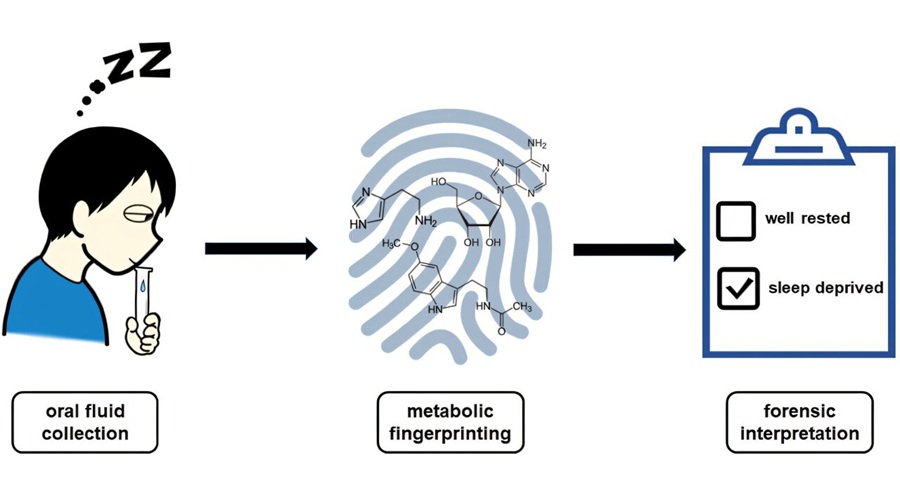
Saliva-Based Test Detects Biochemical Signs of Sleep Loss
Acute sleep loss impairs cognition and motor skills, raising safety risks that resemble alcohol intoxication. Clinicians currently lack an objective biochemical test to determine when someone is dangerously... Read more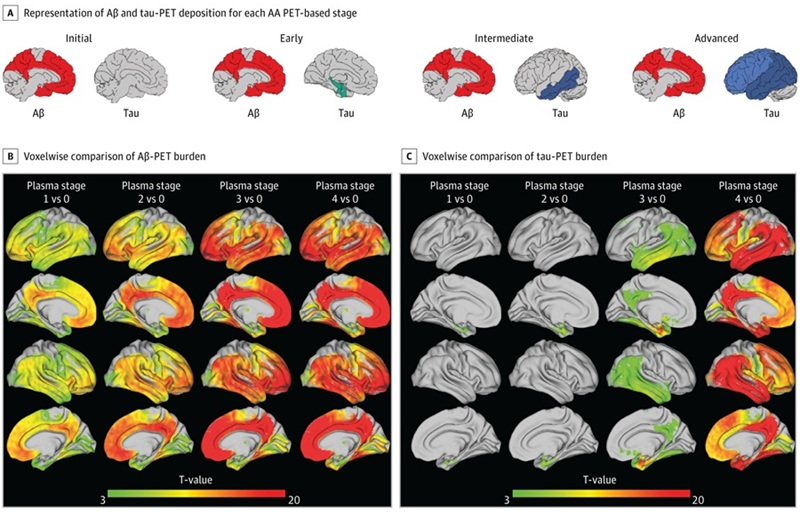
Simple Dual-Tau Blood Test Detects and Stages Alzheimer’s Disease
Alzheimer’s disease is typically confirmed and staged with positron emission tomography scans and cerebrospinal fluid testing, procedures that are costly and invasive. Broader access to minimally invasive... Read more
Alzheimer’s Blood Biomarkers Linked to Early Cognitive Differences Before Dementia
Blood-based screening for Alzheimer’s disease offers a noninvasive, lower-cost alternative to brain imaging or spinal fluid testing, yet its ability to flag the earliest cognitive changes has been unclear.... Read more
Molecular Diagnostics
view channel
New PCR Assay Supports Bundibugyo Ebola Outbreak Surveillance
Rapid identification of Ebola infections is essential to limit transmission and guide public health response, yet detection can be difficult when outbreaks involve rare variants. The current outbreaks... Read more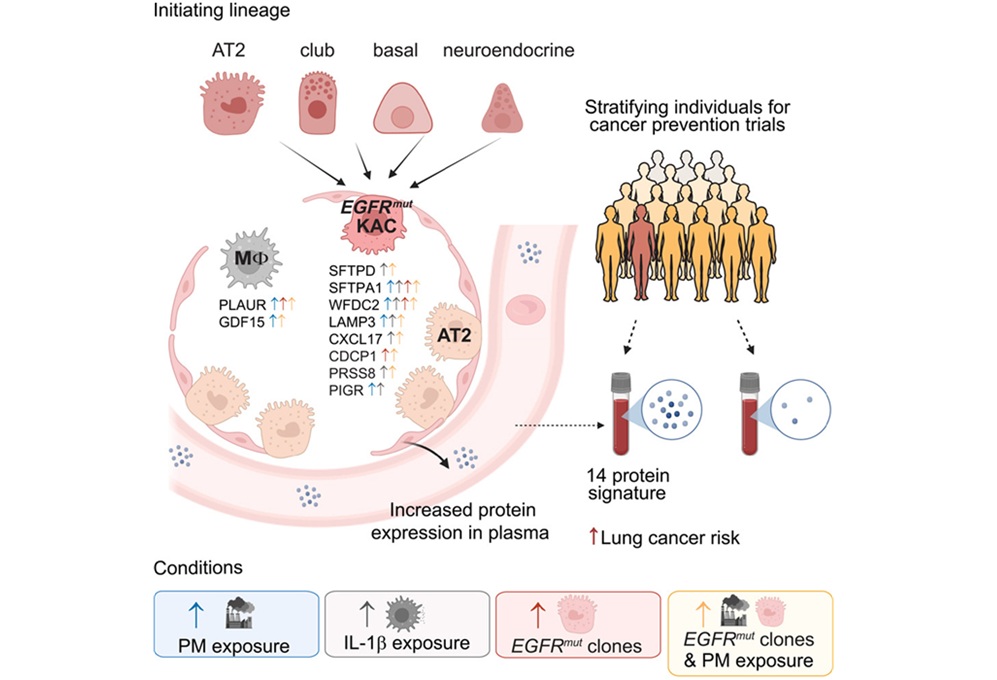
Plasma Protein Signature Predicts Lung Cancer Risk Up to Five Years Ahead
Lung cancer remains a leading cause of cancer death, and many cases are detected only after symptoms appear. Current screening programs largely target people with a history of smoking, leaving other at-risk... Read more
Hematology
view channel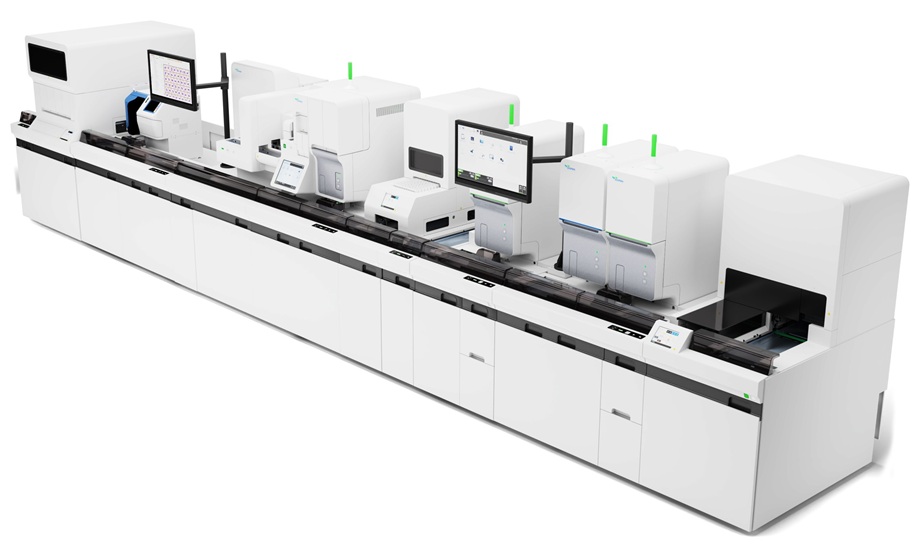
Next-Generation Hematology Platform Streamlines High-Complexity Lab Workflows
Sysmex America (Chicago, IL, USA) has introduced the next generation XR-Series, centered on the XR-10 Automated Hematology Module for high-complexity laboratories. The platform builds on the widely used... Read more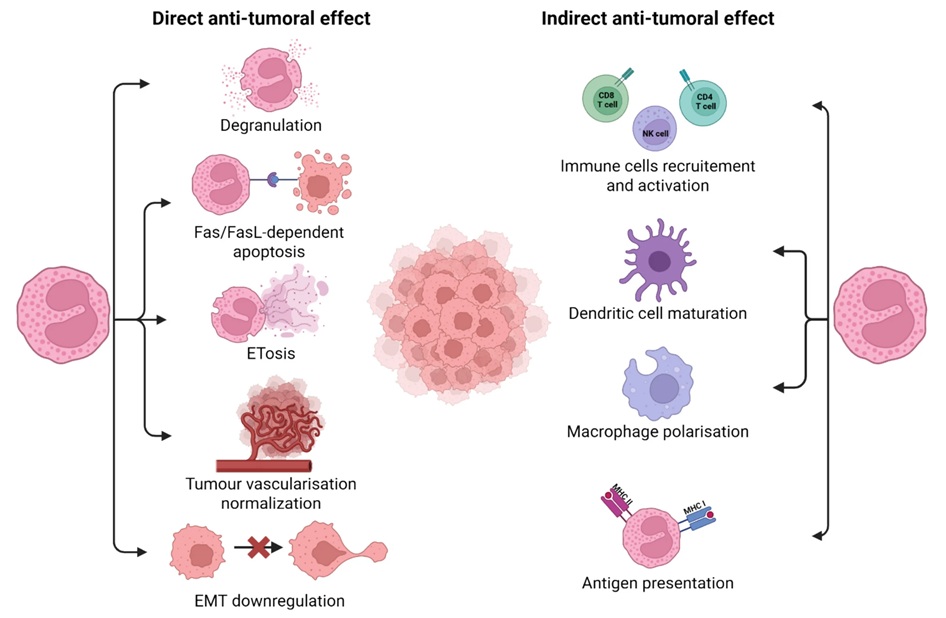
Blood Eosinophil Count May Predict Cancer Immunotherapy Response and Toxicity
Immune checkpoint inhibitors have improved outcomes across many cancers, yet only a subset of patients derive durable benefit and biomarkers to guide treatment remain limited. Eosinophils, best known for... Read more
Immunology
view channel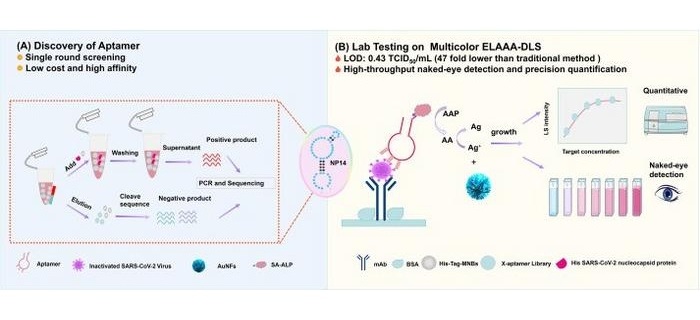
Aptamer-Based Biosensor Enables Mutation-Resilient SARS-CoV-2 Detection
Rapid evolution of severe acute respiratory syndrome coronavirus 2 (SARS-CoV-2) can undermine existing molecular diagnostics, especially when assays target small viral components. Double-antibody sandwich... Read more
Study Points to Autoimmune Pathway Behind Long COVID Symptoms
Long COVID leaves many SARS-CoV-2 survivors with persistent fatigue, cognitive issues, palpitations, and musculoskeletal pain for months or years. Estimates cited in new research suggest 4%–20% of infected... Read more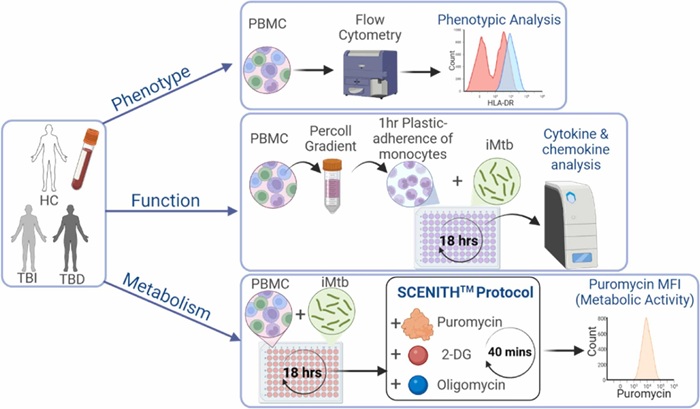
Metabolic Biomarker Distinguishes Latent from Active Tuberculosis and Tracks Treatment Response
Tuberculosis (TB) remains the world’s leading infectious killer, with 10.8 million cases and 1.25 million deaths recorded globally in 2023. Yet many infected individuals never develop active disease, underscoring... Read more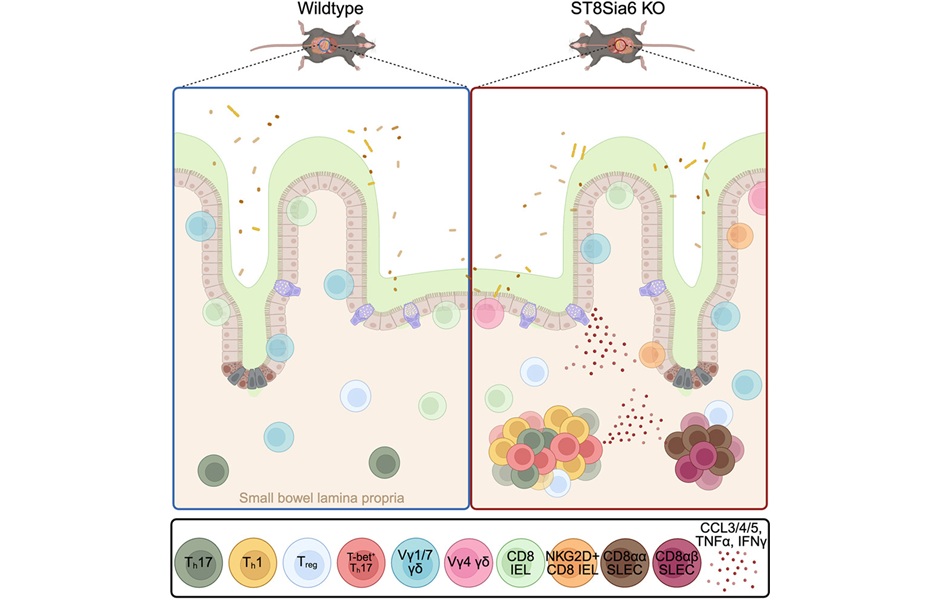
Microbiology
view channel
New Culture Medium Speeds C. difficile Resistance Detection and Reduces Costs
Clostridioides difficile infections remain a persistent threat in hospitals and communities, affecting about 500,000 people in the United States each year. Severe cases can be fatal within 30 days of diagnosis,... Read more
Automated Blood Culture System Speeds Detection of Bloodstream Infections
Bloodstream infections and sepsis require rapid laboratory detection to guide targeted antimicrobial therapy and reduce mortality. Conventional blood culture workflows can delay actionable results by critical... Read more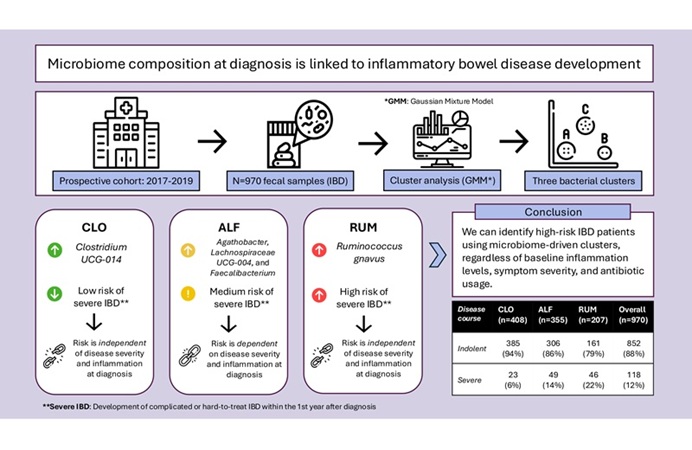
Pathology
view channel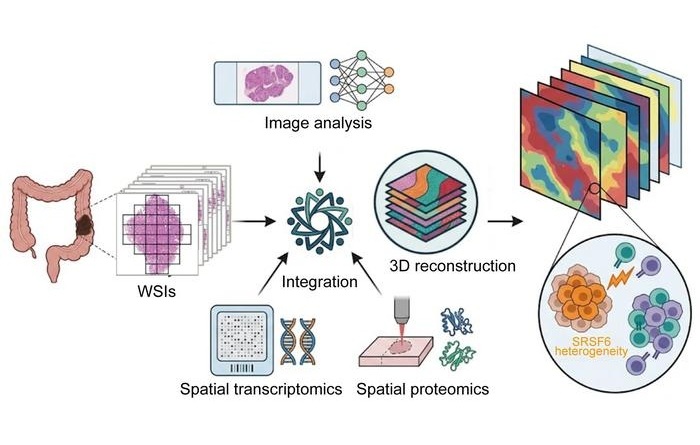
3D Spatial Multi-Omics Maps Intra-Tumor Diversity in Colorectal Cancer
Colorectal cancer remains a leading cause of cancer death, and clinical decision-making is complicated by marked intra-tumor heterogeneity. Conventional bulk sequencing averages molecular signals across... Read more
Blood-Based Method Tracks Gene Activity in the Living Brain
Real-time measurement of gene activity in the brain has been limited by assays requiring destructive tissue sampling. Tracking active genes could reveal how the body responds to environmental factors,... Read more
Technology
view channel
AI Platform Links Biomarker Results to Cancer Clinical Trials and Guidelines
Oncology teams must manage growing volumes of genomic data, rapidly evolving clinical trial options, and frequently updated care guidelines, all within tight clinic schedules. Translating complex tumor... Read more
Agentic AI Platform Supports Genomic Decision-Making in Oncology
Oncology care teams increasingly face the challenge of managing complex molecular diagnostics, evolving treatment options, and extensive electronic health record documentation. Translating multimodal data... Read more
Industry
view channel
Collaboration Advances ctDNA-Guided Development in Metastatic Colorectal Cancer
Natera, Inc. (Austin, TX, USA) and CytoDyn Inc. (Vancouver, WA, USA) announced a strategic collaboration focused on metastatic colorectal cancer (mCRC). Under the agreement, Natera will evaluate circulating... Read more