Dental Hygienists Need to Know About DNA-PCR Tests
|
By LabMedica International staff writers Posted on 05 Jan 2010 |


|
Salivary DNA-PCR test results provide a comprehensive view of patients' periodontal status and the bacteria behind each case. Information such as the exact type and concentration of pathogenic periodontal bacteria affecting each case can be summarized, along with specific recommendations for successful treatment planning.
DNA-polymerase chain reaction (DNA-PCR) tests are making impressive inroads into the field of dentistry. Dental professionals can use science down to the DNA level to significantly improve the quality of care provided for patients. The overall impact will be profound.
Two tests launched by OralDNA Labs (Brentwood, TN, USA) require only collection of a patient's saliva sample. The saliva collection process is quickly and easily performed chairside. To collect a saliva sample, patients swish briefly with sterile saline and expectorate into a vial is then shipped to the laboratory. The samples are shipped to the OralDNA laboratory, where they are thoroughly analyzed. A comprehensive report of the analysis is available within four to five business days.
The first test, MyPerioPathSM, identifies the type and quantity of 13 primary bacteria associated with periodontal disease. Knowing the type of bacteria is important. There are three categories of bacteria, the already recognized red complex bacteria, plus are two more categories: orange complex and green complex species.
The orange and red complexes are present in moderate and severe periodontal disease, while the green complex is somewhat less virulent, but plays an important role in assessing the patient's overall periopathogenic burden. Knowing the quantity of each category is important because the presence of these bacteria in the mouth does not necessarily mean that there is active disease. Retesting is essential to determine whether treatment recommendations are working, or to secure a new baseline after a medical event. The first test results should be considered the patient's baseline, to which subsequent test results can be compared.
Periodontal pathogens are opportunistic and strike quickly when a patient's overall health is compromised. Situations that place patients at risk include smoking, emotional or physical stress, hormonal shifts, acute infections, and chronic medical conditions such as diabetes.
The second test available is MyPerioIDsm PST, which begins with the same simple saliva collection system. Its purpose is to determine if a patient is genetically predisposed to periodontal disease. The test looks for specific genetic variations in the patient's DNA associated with interleukin-1 (IL-1) production. The IL-1 polymorphism is found in approximately 30% of the population. People who possess the IL-1 polymorphism are considered to be at greater risk for developing severe periodontal disease than patients who are IL-1 negative.
Human saliva contains two kinds of DNA: human DNA, which comes from white blood cells and epithelial cells that are continually being shed from the oral mucosa and salivary glands, coupled with the DNA of all the bacteria in the mouth. Saliva contains more DNA than blood, as it contains millions of bacteria, each with its own unique DNA profile. Salivary DNA can be analyzed whether the bacteria in it are alive or dead. This is an advantage because there is no need for special handling or immediate sampling analysis, as is required for tests that use living bacteria. In molecular biology, both kinds of DNA can be extracted and analyzed through a laboratory process called PCR.
Reports generated by the tests show in graphic detail the kind and quantity of bacteria that are above the disease-causing threshold. Patients will be able to see a visual representation of the disease-causing organisms in their mouths. The graphic display should motivate patients to comply with the prescribed treatment protocol.
Related Links:
OralDNA Labs





DNA-polymerase chain reaction (DNA-PCR) tests are making impressive inroads into the field of dentistry. Dental professionals can use science down to the DNA level to significantly improve the quality of care provided for patients. The overall impact will be profound.
Two tests launched by OralDNA Labs (Brentwood, TN, USA) require only collection of a patient's saliva sample. The saliva collection process is quickly and easily performed chairside. To collect a saliva sample, patients swish briefly with sterile saline and expectorate into a vial is then shipped to the laboratory. The samples are shipped to the OralDNA laboratory, where they are thoroughly analyzed. A comprehensive report of the analysis is available within four to five business days.
The first test, MyPerioPathSM, identifies the type and quantity of 13 primary bacteria associated with periodontal disease. Knowing the type of bacteria is important. There are three categories of bacteria, the already recognized red complex bacteria, plus are two more categories: orange complex and green complex species.
The orange and red complexes are present in moderate and severe periodontal disease, while the green complex is somewhat less virulent, but plays an important role in assessing the patient's overall periopathogenic burden. Knowing the quantity of each category is important because the presence of these bacteria in the mouth does not necessarily mean that there is active disease. Retesting is essential to determine whether treatment recommendations are working, or to secure a new baseline after a medical event. The first test results should be considered the patient's baseline, to which subsequent test results can be compared.
Periodontal pathogens are opportunistic and strike quickly when a patient's overall health is compromised. Situations that place patients at risk include smoking, emotional or physical stress, hormonal shifts, acute infections, and chronic medical conditions such as diabetes.
The second test available is MyPerioIDsm PST, which begins with the same simple saliva collection system. Its purpose is to determine if a patient is genetically predisposed to periodontal disease. The test looks for specific genetic variations in the patient's DNA associated with interleukin-1 (IL-1) production. The IL-1 polymorphism is found in approximately 30% of the population. People who possess the IL-1 polymorphism are considered to be at greater risk for developing severe periodontal disease than patients who are IL-1 negative.
Human saliva contains two kinds of DNA: human DNA, which comes from white blood cells and epithelial cells that are continually being shed from the oral mucosa and salivary glands, coupled with the DNA of all the bacteria in the mouth. Saliva contains more DNA than blood, as it contains millions of bacteria, each with its own unique DNA profile. Salivary DNA can be analyzed whether the bacteria in it are alive or dead. This is an advantage because there is no need for special handling or immediate sampling analysis, as is required for tests that use living bacteria. In molecular biology, both kinds of DNA can be extracted and analyzed through a laboratory process called PCR.
Reports generated by the tests show in graphic detail the kind and quantity of bacteria that are above the disease-causing threshold. Patients will be able to see a visual representation of the disease-causing organisms in their mouths. The graphic display should motivate patients to comply with the prescribed treatment protocol.
Related Links:
OralDNA Labs

Gold Member
Flocked Fiber Swabs
Puritan® Patented HydraFlock®
POC Immunoassay Analyzer
Procise DX
Electrolyte Analyzer
BKE-B
Latest Molecular Diagnostics News
- New PCR Assay Supports Bundibugyo Ebola Outbreak Surveillance
- Plasma Protein Signature Predicts Lung Cancer Risk Up to Five Years Ahead
- Circulating Tumor DNA Testing Guides Chemotherapy, Reduces Relapse in Colon Cancer
- Researchers Uncover Distinct Chromosome Signature in Aggresive ALT Cancers
- Simple Cytogenetic Method Could Improve Classification of ALL Subtypes
- Blood-Based Assay Enables Noninvasive Monitoring of Sarcoma Immunotherapy Response
- Genomic Test Guides Chemotherapy Decisions in Early-Stage Breast Cancer
- Tumor Mutation Marker Helps Refine Lung Cancer Prognosis and Guide Therapy Selection
- Multi-Cancer Test Boosts Detection When Added to Standard Screening
- Blood-Based MRD Monitoring Supports Relapse Prevention in Leukemia
- Genomic Test Predicts Chemotherapy Benefit in Metastatic Prostate Cancer
- Blood Protein Markers Flag Multiple Sclerosis Risk Years Before Diagnosis
- Digital PCR Assays Support Surveillance of Bundibugyo Ebolavirus Outbreak
- Updated Guidance Prioritizes Stool-Based Colorectal Cancer Screening Tests
- Blood-Based Proteomic Test May Predict Treatment Response in Non-Small Cell Lung Cancer
- Position Statements Outline Evidence Standards for Multi-Cancer Detection Tests
Channels
Clinical Chemistry
view channel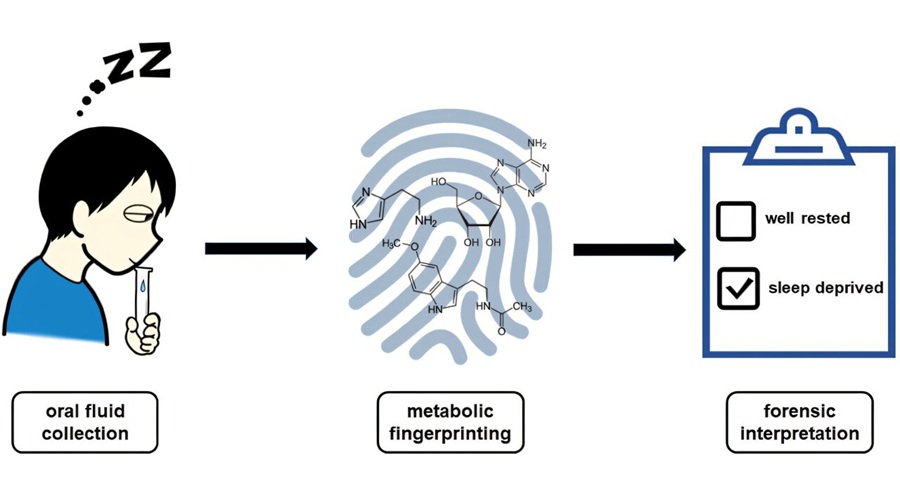
Saliva-Based Test Detects Biochemical Signs of Sleep Loss
Acute sleep loss impairs cognition and motor skills, raising safety risks that resemble alcohol intoxication. Clinicians currently lack an objective biochemical test to determine when someone is dangerously... Read more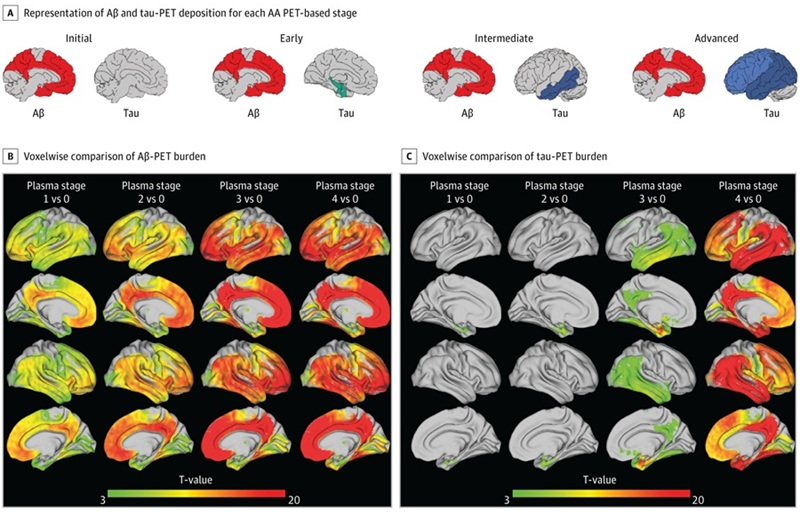
Simple Dual-Tau Blood Test Detects and Stages Alzheimer’s Disease
Alzheimer’s disease is typically confirmed and staged with positron emission tomography scans and cerebrospinal fluid testing, procedures that are costly and invasive. Broader access to minimally invasive... Read more
Alzheimer’s Blood Biomarkers Linked to Early Cognitive Differences Before Dementia
Blood-based screening for Alzheimer’s disease offers a noninvasive, lower-cost alternative to brain imaging or spinal fluid testing, yet its ability to flag the earliest cognitive changes has been unclear.... Read more
Hematology
view channel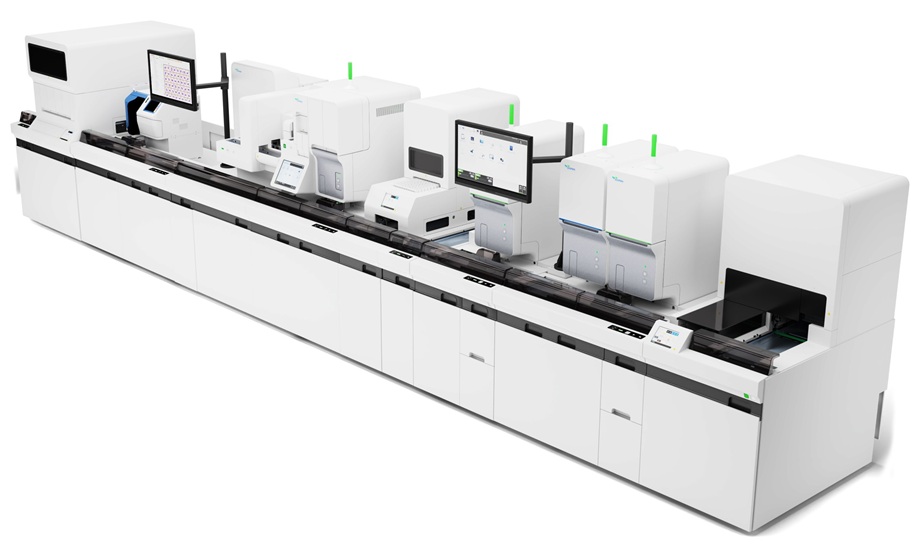
Next-Generation Hematology Platform Streamlines High-Complexity Lab Workflows
Sysmex America (Chicago, IL, USA) has introduced the next generation XR-Series, centered on the XR-10 Automated Hematology Module for high-complexity laboratories. The platform builds on the widely used... Read more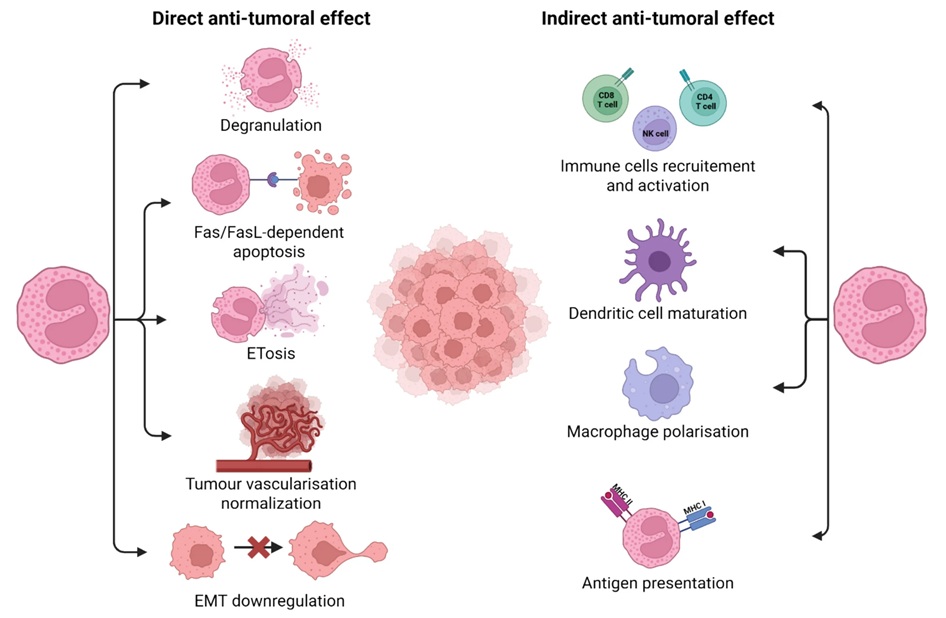
Blood Eosinophil Count May Predict Cancer Immunotherapy Response and Toxicity
Immune checkpoint inhibitors have improved outcomes across many cancers, yet only a subset of patients derive durable benefit and biomarkers to guide treatment remain limited. Eosinophils, best known for... Read more
Immunology
view channel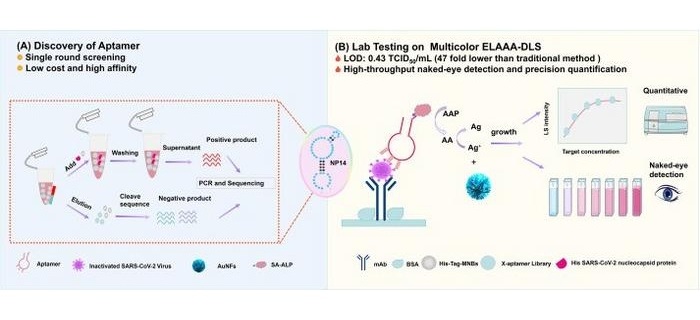
Aptamer-Based Biosensor Enables Mutation-Resilient SARS-CoV-2 Detection
Rapid evolution of severe acute respiratory syndrome coronavirus 2 (SARS-CoV-2) can undermine existing molecular diagnostics, especially when assays target small viral components. Double-antibody sandwich... Read more
Study Points to Autoimmune Pathway Behind Long COVID Symptoms
Long COVID leaves many SARS-CoV-2 survivors with persistent fatigue, cognitive issues, palpitations, and musculoskeletal pain for months or years. Estimates cited in new research suggest 4%–20% of infected... Read more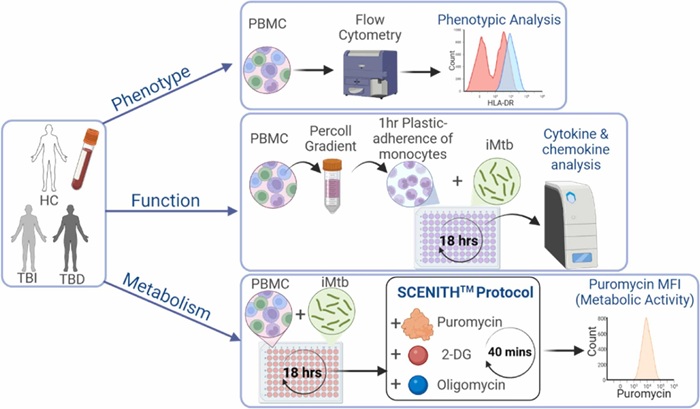
Metabolic Biomarker Distinguishes Latent from Active Tuberculosis and Tracks Treatment Response
Tuberculosis (TB) remains the world’s leading infectious killer, with 10.8 million cases and 1.25 million deaths recorded globally in 2023. Yet many infected individuals never develop active disease, underscoring... Read more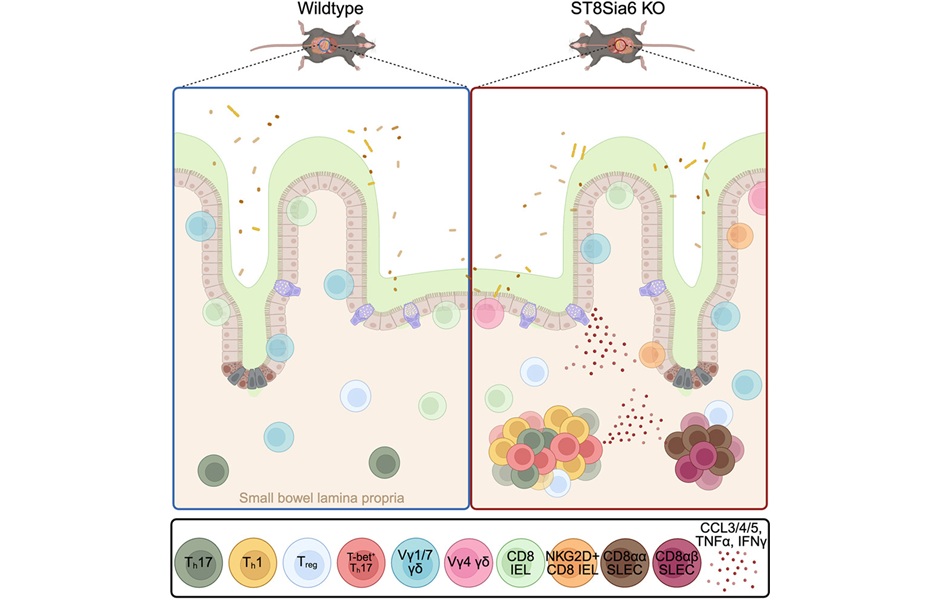
Microbiology
view channel
New Culture Medium Speeds C. difficile Resistance Detection and Reduces Costs
Clostridioides difficile infections remain a persistent threat in hospitals and communities, affecting about 500,000 people in the United States each year. Severe cases can be fatal within 30 days of diagnosis,... Read more
Automated Blood Culture System Speeds Detection of Bloodstream Infections
Bloodstream infections and sepsis require rapid laboratory detection to guide targeted antimicrobial therapy and reduce mortality. Conventional blood culture workflows can delay actionable results by critical... Read more
Pathology
view channel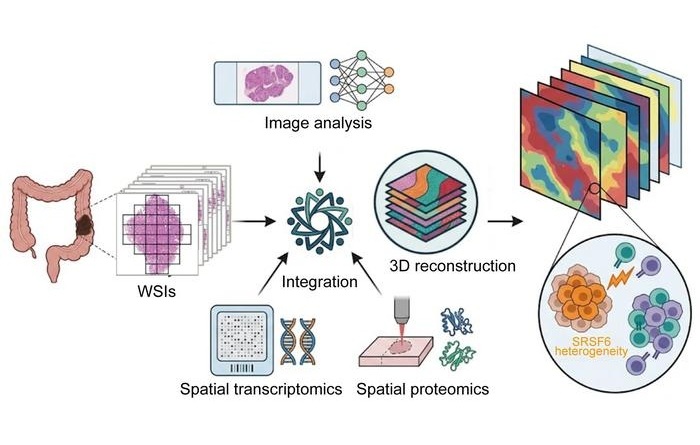
3D Spatial Multi-Omics Maps Intra-Tumor Diversity in Colorectal Cancer
Colorectal cancer remains a leading cause of cancer death, and clinical decision-making is complicated by marked intra-tumor heterogeneity. Conventional bulk sequencing averages molecular signals across... Read more
Blood-Based Method Tracks Gene Activity in the Living Brain
Real-time measurement of gene activity in the brain has been limited by assays requiring destructive tissue sampling. Tracking active genes could reveal how the body responds to environmental factors,... Read more
Technology
view channel
AI Platform Links Biomarker Results to Cancer Clinical Trials and Guidelines
Oncology teams must manage growing volumes of genomic data, rapidly evolving clinical trial options, and frequently updated care guidelines, all within tight clinic schedules. Translating complex tumor... Read more
Agentic AI Platform Supports Genomic Decision-Making in Oncology
Oncology care teams increasingly face the challenge of managing complex molecular diagnostics, evolving treatment options, and extensive electronic health record documentation. Translating multimodal data... Read more
Industry
view channel
Collaboration Advances ctDNA-Guided Development in Metastatic Colorectal Cancer
Natera, Inc. (Austin, TX, USA) and CytoDyn Inc. (Vancouver, WA, USA) announced a strategic collaboration focused on metastatic colorectal cancer (mCRC). Under the agreement, Natera will evaluate circulating... Read more