High-Volume Microplate Designed for Sensitive Photometric Assays
|
By LabMedica International staff writers Posted on 02 Dec 2009 |


|
With a well volume of 3.1 mL, a new microplate is a suitable choice for screening applications that require high sensitivity combined with photometric accuracy and repeatability. Moreover, the microplate's large surface area per well makes the tissue culture-treated version of the plate ideal for cell growth applications.
Constructed in ultra-pure grade polystyrene, Krystal 24 microplates, developed by Porvair Sciences, Ltd. (Leatherhead, Surrey UK), are available in opaque white and solid black formats. For sensitive fluorescence measurements, the black plate provides the all-absorbing background needed to minimize background interference. The opaque white plate maximizes reflectivity enabling even weakly emitting luminescence assays to be routinely undertaken. In addition to optimized luminescence and fluorescence measurements, the unique Krystal 24 design offers improved cell binding efficiency and provides the convenience of direct measurements on bottom reading spectrophotometers and inverted microscopes.
Precisely manufactured to SBS/ANSI microplate dimensions, the cost-effective Krystal 24 design is fully compatible with all commercially available plate readers, robotic sample processors, and automated liquid-handling systems. (ANSI/SBS 1-2004 Microplate Footprint Dimensions as registered and designated by the American National Standards Institute [ANSI]).
Porvair Sciences' expertise in microplate technology and manufacturing covers scientific fields including life sciences, drug discovery, combinatorial chemistry, solid phase extraction, protein purification, high-throughput screening, proteomics and genomics. Porvair Sciences is a wholly owned subsidiary of Porvair plc.
Related Links:
Porvair Sciences





Constructed in ultra-pure grade polystyrene, Krystal 24 microplates, developed by Porvair Sciences, Ltd. (Leatherhead, Surrey UK), are available in opaque white and solid black formats. For sensitive fluorescence measurements, the black plate provides the all-absorbing background needed to minimize background interference. The opaque white plate maximizes reflectivity enabling even weakly emitting luminescence assays to be routinely undertaken. In addition to optimized luminescence and fluorescence measurements, the unique Krystal 24 design offers improved cell binding efficiency and provides the convenience of direct measurements on bottom reading spectrophotometers and inverted microscopes.
Precisely manufactured to SBS/ANSI microplate dimensions, the cost-effective Krystal 24 design is fully compatible with all commercially available plate readers, robotic sample processors, and automated liquid-handling systems. (ANSI/SBS 1-2004 Microplate Footprint Dimensions as registered and designated by the American National Standards Institute [ANSI]).
Porvair Sciences' expertise in microplate technology and manufacturing covers scientific fields including life sciences, drug discovery, combinatorial chemistry, solid phase extraction, protein purification, high-throughput screening, proteomics and genomics. Porvair Sciences is a wholly owned subsidiary of Porvair plc.
Related Links:
Porvair Sciences

Gold Member
Neonatal Heel Incision Device
Tenderfoot
HPV Test
Allplex HPV28 Detection
Creatinine/eGFR Meter
StatSensor® Creatinine/eGFR Meter
Latest Clinical Chem. News
- Saliva-Based Test Detects Biochemical Signs of Sleep Loss
- Simple Dual-Tau Blood Test Detects and Stages Alzheimer’s Disease
- Alzheimer’s Blood Biomarkers Linked to Early Cognitive Differences Before Dementia
- Urine-Based Test Shows Promise for Autism Screening in Children
- Blood-Based Sensor Detects Early Signs of Alzheimer’s and Parkinson’s
- Liquid Biopsy Biomarkers May Improve Childhood Epilepsy Diagnosis
- Urine-Based Alzheimer’s Test Receives FDA Breakthrough Device Designation
- Fluid Biomarker Improves Diagnosis and Monitoring of Primary CNS Lymphoma
- New CA19-9 Cutoff Value Helps Identify High-Risk Pancreatic Cancer Patients
- Blood-Based Biomarkers Show Promise for Psychosis Risk Prediction
- International Experts Recommend Ending Routine 'Corrected' Calcium Reporting
- Long-Term Data Show PSA Screening Modestly Reduces Prostate Cancer Deaths
- Urine-Based Nanosensor Tracks Lung Cancer and Fibrosis Noninvasively
- FDA-Cleared Assay Enables Comprehensive Automated Testosterone Testing
- CE-Marked Blood Biomarker Test Advances Automated Alzheimer’s Diagnostics
- Blood-Based Alzheimer’s Test Gains CE Mark for Amyloid Pathology Detection
Channels
Clinical Chemistry
view channel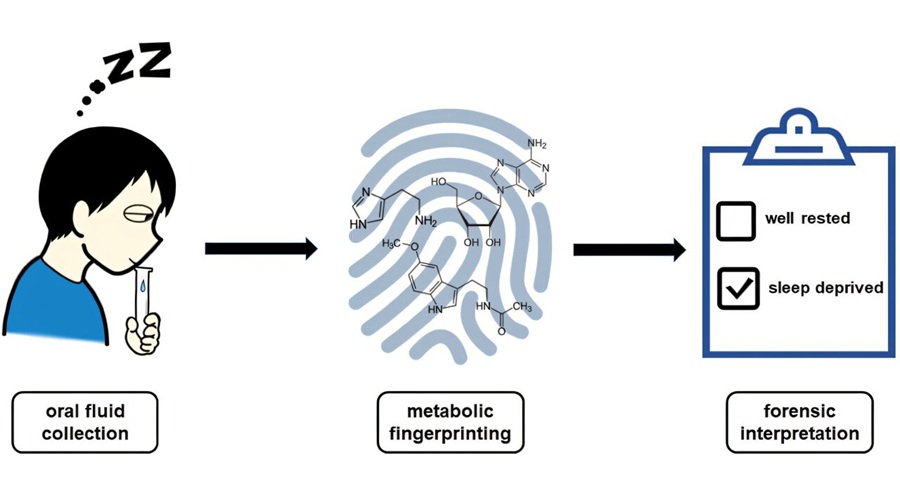
Saliva-Based Test Detects Biochemical Signs of Sleep Loss
Acute sleep loss impairs cognition and motor skills, raising safety risks that resemble alcohol intoxication. Clinicians currently lack an objective biochemical test to determine when someone is dangerously... Read more
Simple Dual-Tau Blood Test Detects and Stages Alzheimer’s Disease
Alzheimer’s disease is typically confirmed and staged with positron emission tomography scans and cerebrospinal fluid testing, procedures that are costly and invasive. Broader access to minimally invasive... Read more
Alzheimer’s Blood Biomarkers Linked to Early Cognitive Differences Before Dementia
Blood-based screening for Alzheimer’s disease offers a noninvasive, lower-cost alternative to brain imaging or spinal fluid testing, yet its ability to flag the earliest cognitive changes has been unclear.... Read more
Molecular Diagnostics
view channel
New PCR Assay Supports Bundibugyo Ebola Outbreak Surveillance
Rapid identification of Ebola infections is essential to limit transmission and guide public health response, yet detection can be difficult when outbreaks involve rare variants. The current outbreaks... Read more
Plasma Protein Signature Predicts Lung Cancer Risk Up to Five Years Ahead
Lung cancer remains a leading cause of cancer death, and many cases are detected only after symptoms appear. Current screening programs largely target people with a history of smoking, leaving other at-risk... Read more

Hematology
view channel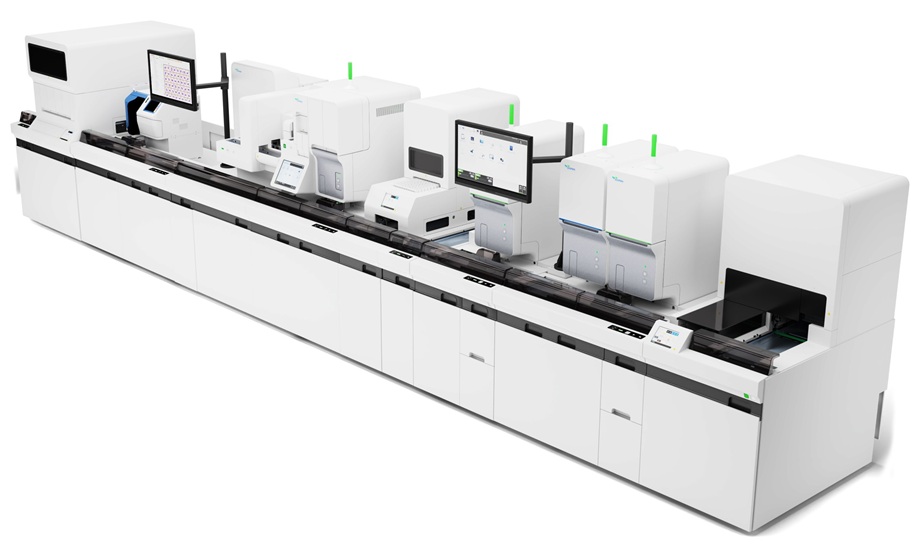
Next-Generation Hematology Platform Streamlines High-Complexity Lab Workflows
Sysmex America (Chicago, IL, USA) has introduced the next generation XR-Series, centered on the XR-10 Automated Hematology Module for high-complexity laboratories. The platform builds on the widely used... Read more
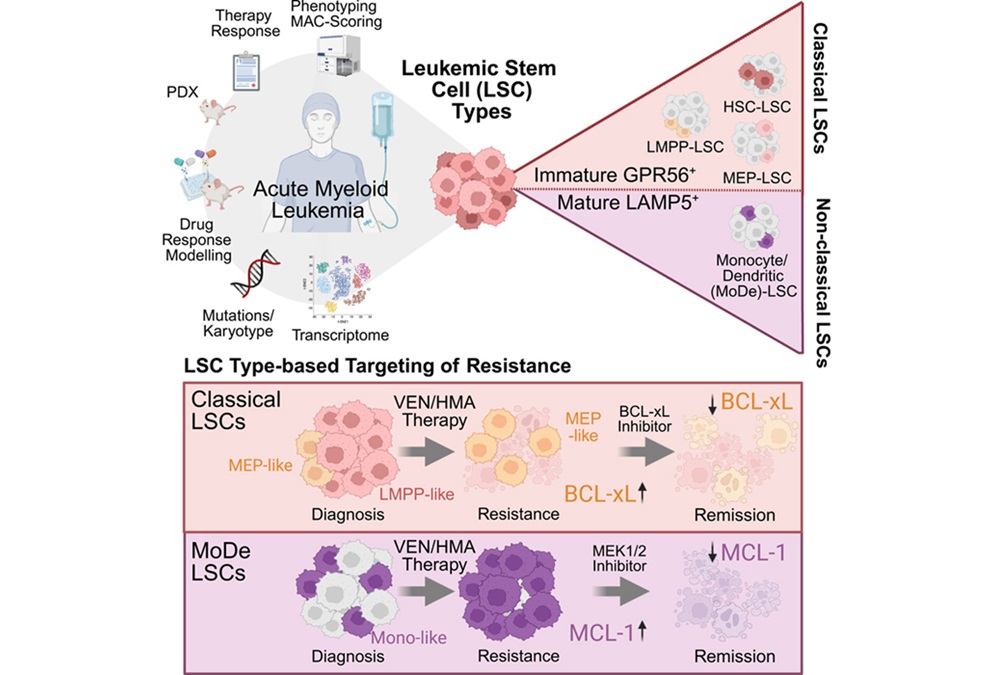
Blood Eosinophil Count May Predict Cancer Immunotherapy Response and Toxicity
Immune checkpoint inhibitors have improved outcomes across many cancers, yet only a subset of patients derive durable benefit and biomarkers to guide treatment remain limited. Eosinophils, best known for... Read more
Immunology
view channel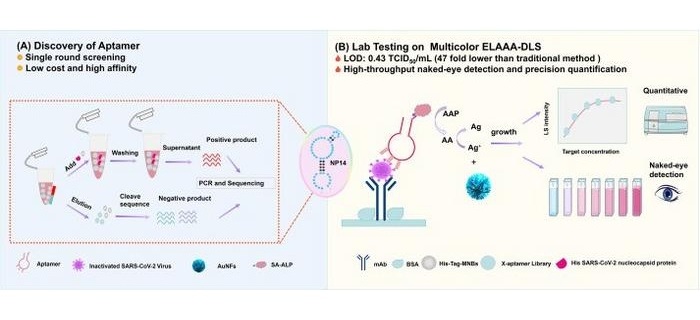
Aptamer-Based Biosensor Enables Mutation-Resilient SARS-CoV-2 Detection
Rapid evolution of severe acute respiratory syndrome coronavirus 2 (SARS-CoV-2) can undermine existing molecular diagnostics, especially when assays target small viral components. Double-antibody sandwich... Read more
Study Points to Autoimmune Pathway Behind Long COVID Symptoms
Long COVID leaves many SARS-CoV-2 survivors with persistent fatigue, cognitive issues, palpitations, and musculoskeletal pain for months or years. Estimates cited in new research suggest 4%–20% of infected... Read more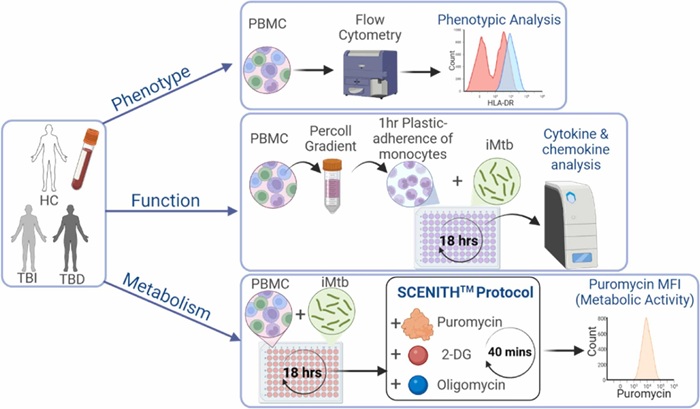
Metabolic Biomarker Distinguishes Latent from Active Tuberculosis and Tracks Treatment Response
Tuberculosis (TB) remains the world’s leading infectious killer, with 10.8 million cases and 1.25 million deaths recorded globally in 2023. Yet many infected individuals never develop active disease, underscoring... Read more
Microbiology
view channel
New Culture Medium Speeds C. difficile Resistance Detection and Reduces Costs
Clostridioides difficile infections remain a persistent threat in hospitals and communities, affecting about 500,000 people in the United States each year. Severe cases can be fatal within 30 days of diagnosis,... Read more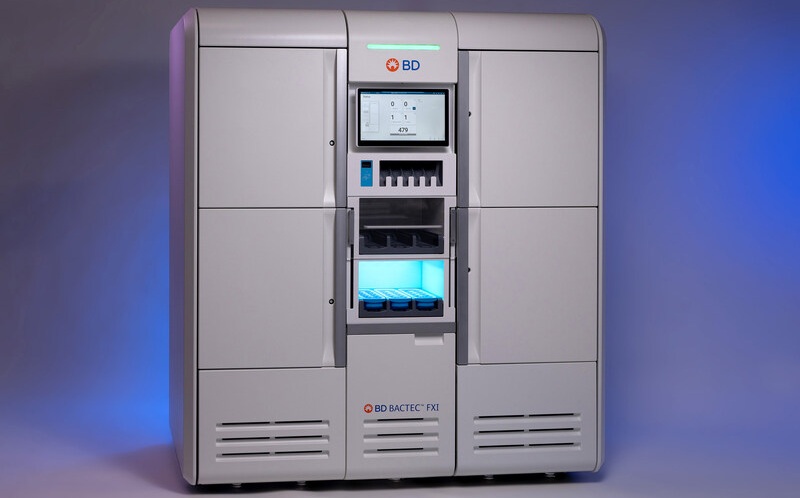
Automated Blood Culture System Speeds Detection of Bloodstream Infections
Bloodstream infections and sepsis require rapid laboratory detection to guide targeted antimicrobial therapy and reduce mortality. Conventional blood culture workflows can delay actionable results by critical... Read more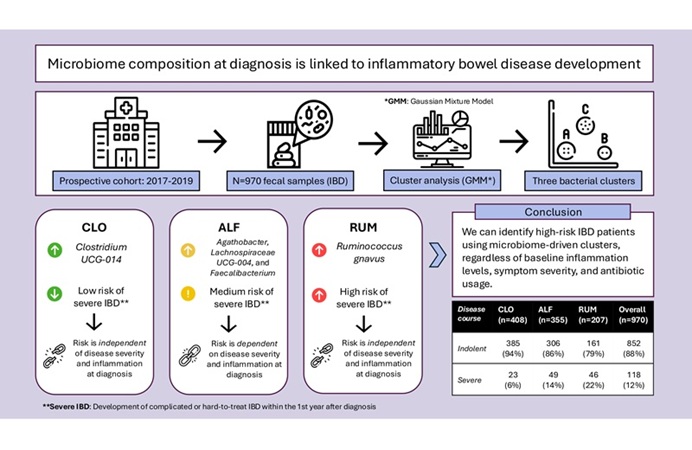
Pathology
view channel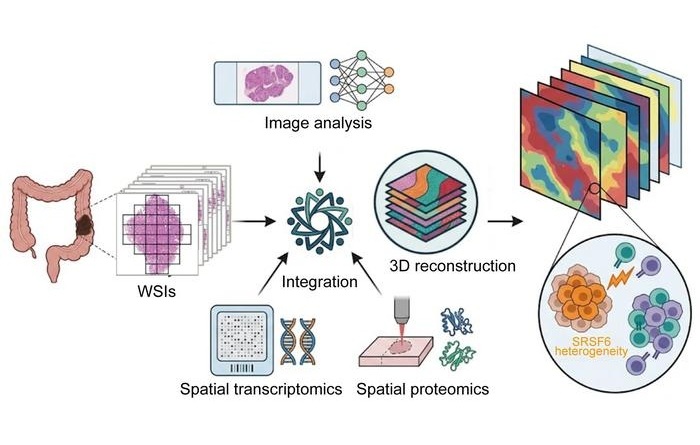
3D Spatial Multi-Omics Maps Intra-Tumor Diversity in Colorectal Cancer
Colorectal cancer remains a leading cause of cancer death, and clinical decision-making is complicated by marked intra-tumor heterogeneity. Conventional bulk sequencing averages molecular signals across... Read more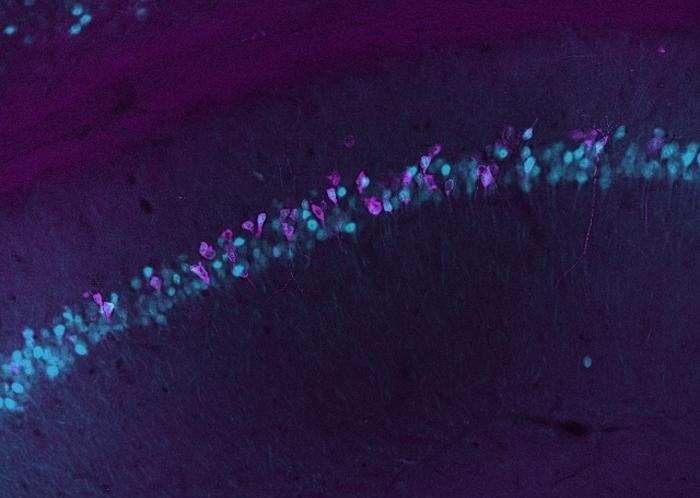
Blood-Based Method Tracks Gene Activity in the Living Brain
Real-time measurement of gene activity in the brain has been limited by assays requiring destructive tissue sampling. Tracking active genes could reveal how the body responds to environmental factors,... Read more
Industry
view channel
Collaboration Advances ctDNA-Guided Development in Metastatic Colorectal Cancer
Natera, Inc. (Austin, TX, USA) and CytoDyn Inc. (Vancouver, WA, USA) announced a strategic collaboration focused on metastatic colorectal cancer (mCRC). Under the agreement, Natera will evaluate circulating... Read more