Calbiotech Awarded Contract to Develop Reagents for Dengue Diagnosis
|
By LabMedica International staff writers Posted on 24 Nov 2009 |


|
A Small Business Innovative Research (SBIR) Phase I contract by the U.S. Army Medical Research and Material command has been awarded to Calbiotech (Spring Valley, CA; USA), which will develop analyte specific reagents (ASRs) for the diagnosis of Dengue virus.
Technology developed under this project will enable an affordable FDA approved method for diagnosing Dengue fever in blood/sera. This will enable medical personnel to adequately diagnosis and react to Dengue fever outbreaks.
Dengue virus is a mosquito born species of Flavivirus that represents a major threat to military forces deployed to tropical areas of the world. Due to its worldwide distribution, US military and civilian personnel deployed overseas are at high risk of being infected. The global prevalence of Dengue has grown dramatically in recent decades, spreading from 9 to some 40 countries. The disease is now endemic in more than 100 countries in Africa, the Americas, the Eastern Mediterranean, South-East Asia, and the Western Pacific. Not only is the number of cases increasing as the disease is spreading to new areas, but explosive outbreaks are occurring. In 2007, Venezuela reported over 80,000 cases.
This Phase I award will allow Calbiotech to compete for $730,000 in Phase II funding. A Phase II project would expand the work to develop ASRs for Rift Valley fever, Sand Fly fever-Toscana, Crimean-Congo fever, Central European Tick-borne encephalitis, and Chikungunya virus in blood/sera from clinically ill patients.
Calbiotech provides preclinical and research testing services for testing human and animal samples using the Calbiotech Immunoassay menu. Calbiotech is FDA registered and ISO 13485:2003 certified facility. The company has adopted operating polices based on FDA Quality system (QS), current Good manufacturing Practices (cGMP), Good laboratory Practices (GLP) and ISO requirements, EU directive and Canadian medical devices regulations.
Related Links:
Calbiotech




Technology developed under this project will enable an affordable FDA approved method for diagnosing Dengue fever in blood/sera. This will enable medical personnel to adequately diagnosis and react to Dengue fever outbreaks.
Dengue virus is a mosquito born species of Flavivirus that represents a major threat to military forces deployed to tropical areas of the world. Due to its worldwide distribution, US military and civilian personnel deployed overseas are at high risk of being infected. The global prevalence of Dengue has grown dramatically in recent decades, spreading from 9 to some 40 countries. The disease is now endemic in more than 100 countries in Africa, the Americas, the Eastern Mediterranean, South-East Asia, and the Western Pacific. Not only is the number of cases increasing as the disease is spreading to new areas, but explosive outbreaks are occurring. In 2007, Venezuela reported over 80,000 cases.
This Phase I award will allow Calbiotech to compete for $730,000 in Phase II funding. A Phase II project would expand the work to develop ASRs for Rift Valley fever, Sand Fly fever-Toscana, Crimean-Congo fever, Central European Tick-borne encephalitis, and Chikungunya virus in blood/sera from clinically ill patients.
Calbiotech provides preclinical and research testing services for testing human and animal samples using the Calbiotech Immunoassay menu. Calbiotech is FDA registered and ISO 13485:2003 certified facility. The company has adopted operating polices based on FDA Quality system (QS), current Good manufacturing Practices (cGMP), Good laboratory Practices (GLP) and ISO requirements, EU directive and Canadian medical devices regulations.
Related Links:
Calbiotech

Gold Member
Quantitative POC Immunoassay Analyzer
EASY READER+
Food Allergy Screening ELISA Kit
Allerquant 14G B ELISA
Pipette Calibration System
Artel PCS®
Latest Industry News
- Collaboration Advances ctDNA-Guided Development in Metastatic Colorectal Cancer
- Diazyme Laboratories Acquires Carolina Liquid Chemistries
- Partnership Expands Access to Alzheimer’s Blood Tests in Latin America and Caribbean
- Global Multiplex Assays Market Driven by High-Throughput Diagnostic Demand
- GRAIL Presents Full Results from NHS-Galleri Trial at ASCO 2026
- Global Framework Integrates Digital Pathology for Companion Diagnostic Development
- Werfen and Oxford Nanopore Collaborate on Transplant Assay Development
- New Distribution Agreement Expands Access to CE-Marked Precision Oncology Assays
- ClearNote Health to Present Pancreatic Cancer Blood Test Data at ASCO 2026
- Artera to Highlight AI-Based Cancer Risk Stratification at ASCO 2026
- Natera to Present Data on MRD-Guided Cancer Care at ASCO 2026
- Fujifilm Integrates Structured Reporting into Digital Pathology Workflow
- Strategic Collaboration Advances RNA Foundation Models for Precision Oncology
- Partnership Brings Single-Cell Analysis into Clinical Oncology Workflows
- Partnership Aims to Bring Risk-Guided CKD Care to Health Systems
- AI-Powered Multi-Functional Analyzer Wins German Innovation Award
Channels
Clinical Chemistry
view channel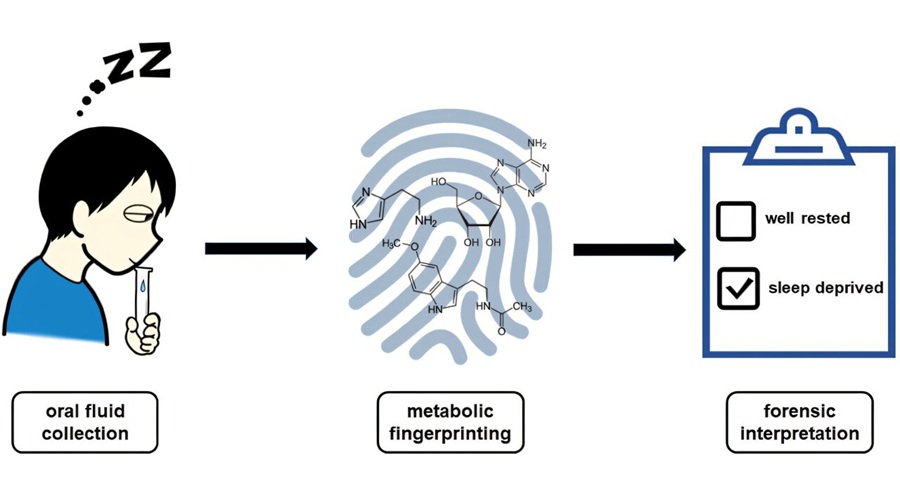
Saliva-Based Test Detects Biochemical Signs of Sleep Loss
Acute sleep loss impairs cognition and motor skills, raising safety risks that resemble alcohol intoxication. Clinicians currently lack an objective biochemical test to determine when someone is dangerously... Read more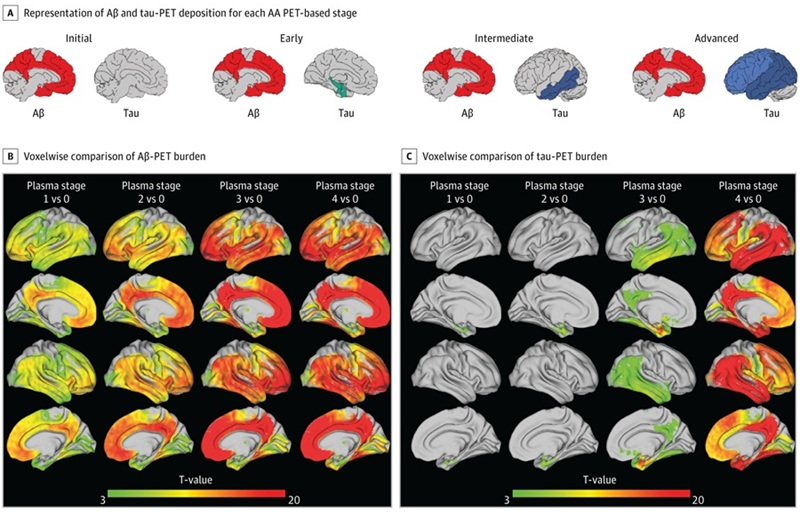
Simple Dual-Tau Blood Test Detects and Stages Alzheimer’s Disease
Alzheimer’s disease is typically confirmed and staged with positron emission tomography scans and cerebrospinal fluid testing, procedures that are costly and invasive. Broader access to minimally invasive... Read more
Alzheimer’s Blood Biomarkers Linked to Early Cognitive Differences Before Dementia
Blood-based screening for Alzheimer’s disease offers a noninvasive, lower-cost alternative to brain imaging or spinal fluid testing, yet its ability to flag the earliest cognitive changes has been unclear.... Read more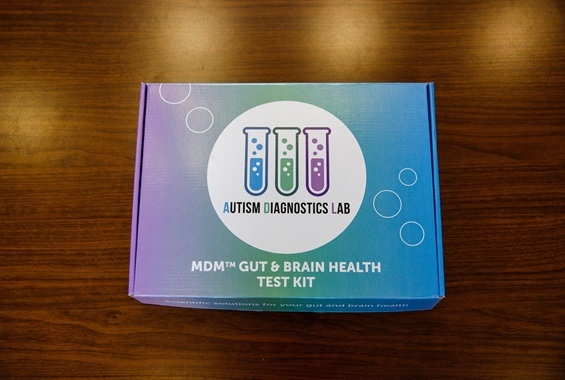
Molecular Diagnostics
view channel
New PCR Assay Supports Bundibugyo Ebola Outbreak Surveillance
Rapid identification of Ebola infections is essential to limit transmission and guide public health response, yet detection can be difficult when outbreaks involve rare variants. The current outbreaks... Read more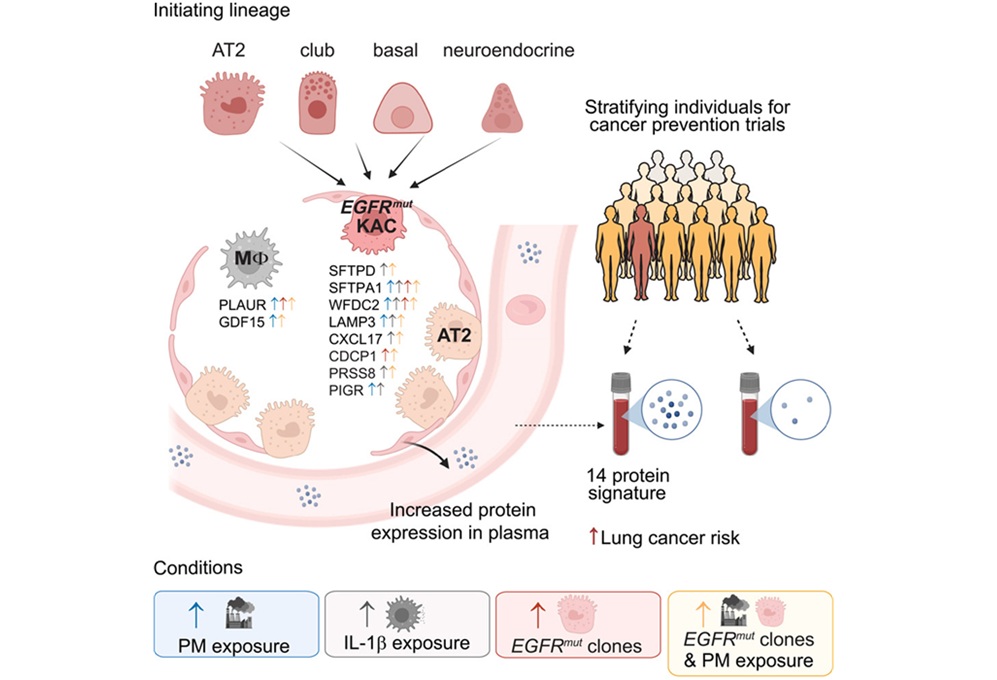
Plasma Protein Signature Predicts Lung Cancer Risk Up to Five Years Ahead
Lung cancer remains a leading cause of cancer death, and many cases are detected only after symptoms appear. Current screening programs largely target people with a history of smoking, leaving other at-risk... Read more

Hematology
view channel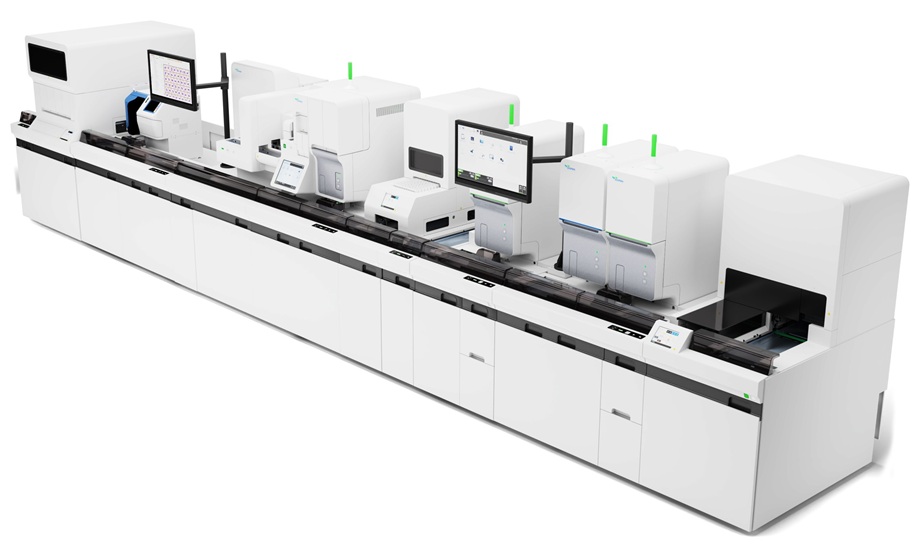
Next-Generation Hematology Platform Streamlines High-Complexity Lab Workflows
Sysmex America (Chicago, IL, USA) has introduced the next generation XR-Series, centered on the XR-10 Automated Hematology Module for high-complexity laboratories. The platform builds on the widely used... Read more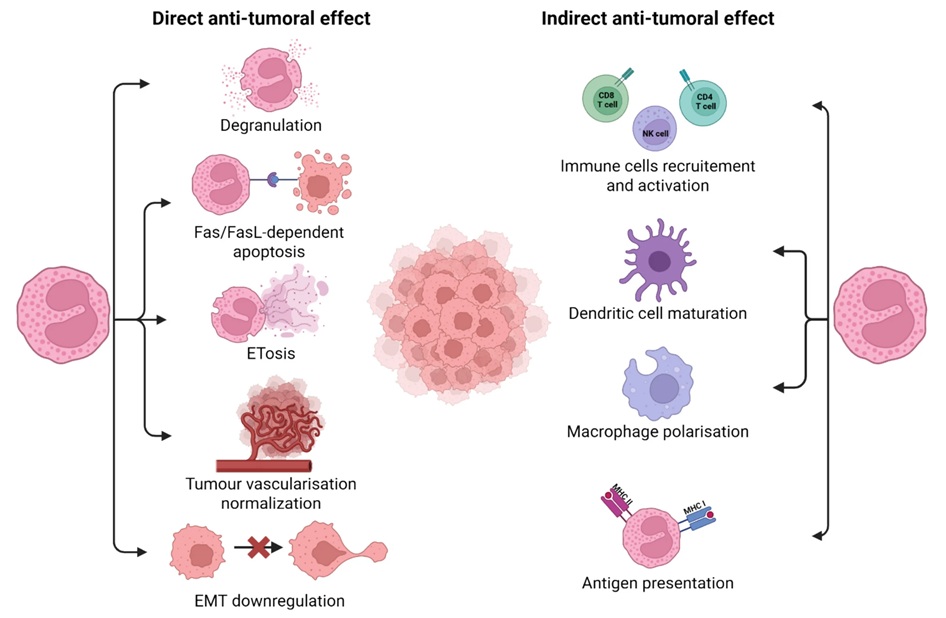
Blood Eosinophil Count May Predict Cancer Immunotherapy Response and Toxicity
Immune checkpoint inhibitors have improved outcomes across many cancers, yet only a subset of patients derive durable benefit and biomarkers to guide treatment remain limited. Eosinophils, best known for... Read more
Immunology
view channel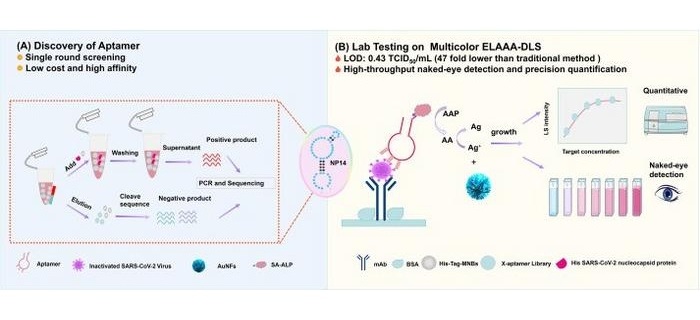
Aptamer-Based Biosensor Enables Mutation-Resilient SARS-CoV-2 Detection
Rapid evolution of severe acute respiratory syndrome coronavirus 2 (SARS-CoV-2) can undermine existing molecular diagnostics, especially when assays target small viral components. Double-antibody sandwich... Read more
Study Points to Autoimmune Pathway Behind Long COVID Symptoms
Long COVID leaves many SARS-CoV-2 survivors with persistent fatigue, cognitive issues, palpitations, and musculoskeletal pain for months or years. Estimates cited in new research suggest 4%–20% of infected... Read more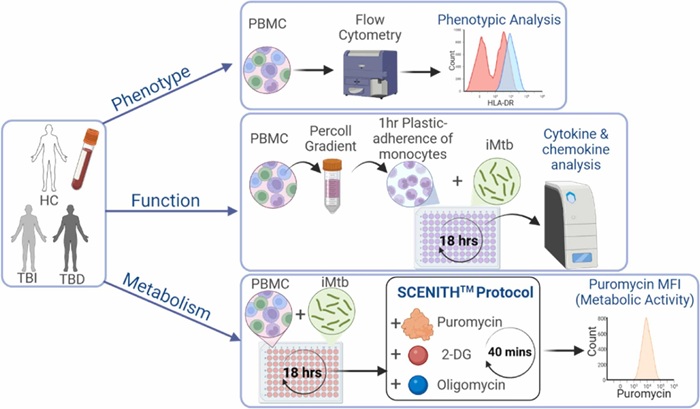
Metabolic Biomarker Distinguishes Latent from Active Tuberculosis and Tracks Treatment Response
Tuberculosis (TB) remains the world’s leading infectious killer, with 10.8 million cases and 1.25 million deaths recorded globally in 2023. Yet many infected individuals never develop active disease, underscoring... Read more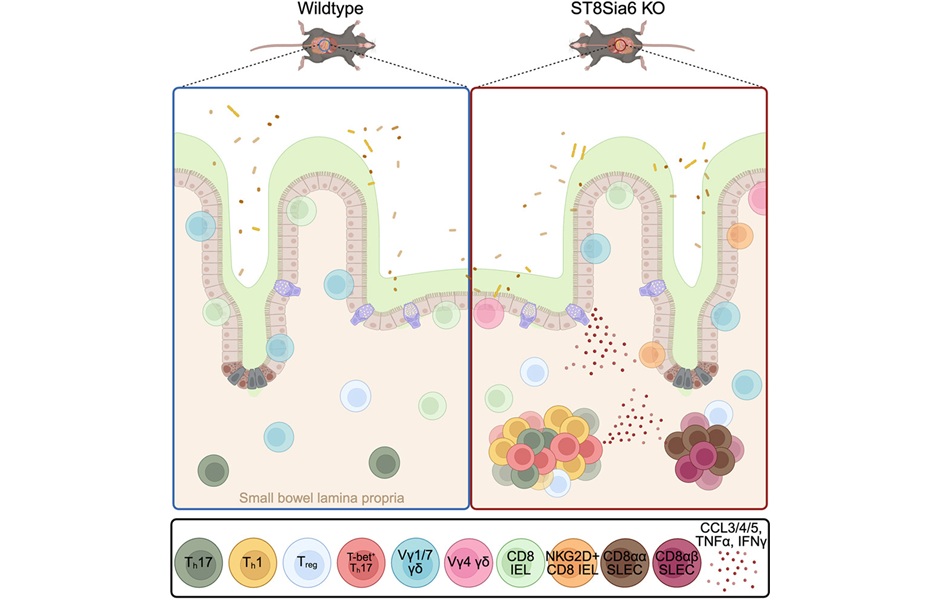
Pathology
view channel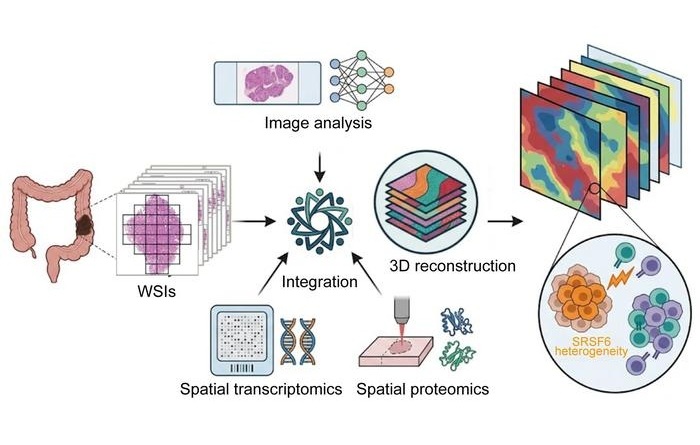
3D Spatial Multi-Omics Maps Intra-Tumor Diversity in Colorectal Cancer
Colorectal cancer remains a leading cause of cancer death, and clinical decision-making is complicated by marked intra-tumor heterogeneity. Conventional bulk sequencing averages molecular signals across... Read more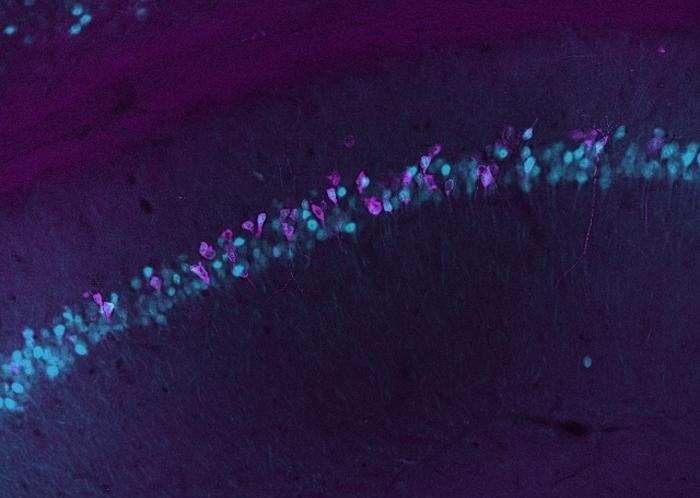
Blood-Based Method Tracks Gene Activity in the Living Brain
Real-time measurement of gene activity in the brain has been limited by assays requiring destructive tissue sampling. Tracking active genes could reveal how the body responds to environmental factors,... Read more
Technology
view channel
AI Platform Links Biomarker Results to Cancer Clinical Trials and Guidelines
Oncology teams must manage growing volumes of genomic data, rapidly evolving clinical trial options, and frequently updated care guidelines, all within tight clinic schedules. Translating complex tumor... Read more
Agentic AI Platform Supports Genomic Decision-Making in Oncology
Oncology care teams increasingly face the challenge of managing complex molecular diagnostics, evolving treatment options, and extensive electronic health record documentation. Translating multimodal data... Read more

Industry
view channel
Collaboration Advances ctDNA-Guided Development in Metastatic Colorectal Cancer
Natera, Inc. (Austin, TX, USA) and CytoDyn Inc. (Vancouver, WA, USA) announced a strategic collaboration focused on metastatic colorectal cancer (mCRC). Under the agreement, Natera will evaluate circulating... Read more