Active TB Rapidly Identified in Smear-Negative Tests
|
By LabMedica International staff writers Posted on 30 Sep 2009 |


|
Active tuberculosis (TB) was rapidly identified in patients with negative sputum tests using an enzyme-linked immunospot assay.
Immune cells specific to the TB bacilli are concentrated in the airways of patients with active tuberculosis. These cells could be readily identified with the new assay, which is called ELISpot; the results of the test were available in one day. The test can distinguish between latent TB infection, recently redefined as lasting tuberculosis immune responses (LTBI) and active TB by comparing the frequencies of TB-specific T-lymphocytes in the blood versus in the lung. In contrast, the identification of tuberculosis bacilli by culture takes several weeks.
Active tuberculosis (TB) is the seventh-leading cause of death worldwide, and whereas diagnosis of active TB can be rapidly established when bacteria are identified by sputum microscopy, in about half of all cases, the TB bacterium cannot be detected, making another diagnostic option critical in efforts to control the spread of TB.
"In this study, we showed that a differentiation between active pulmonary tuberculosis and LTBI is possible by the ELISpot test," said principal investigator of this [Tuberculosis Network European Trialsgroup] TBNETstudy,'' noted Christoph Lange, M.D., Ph.D., from the Research Center Borstel (Germany).
The findings from the TBNET study appeared in the October 1, 2009, issue of the American Thoracic Society's (New York, NY, USA) American Journal of Respiratory and Critical Care Medicine.
Related Links:
Research Centre Borstel
American Thoracic Society






Immune cells specific to the TB bacilli are concentrated in the airways of patients with active tuberculosis. These cells could be readily identified with the new assay, which is called ELISpot; the results of the test were available in one day. The test can distinguish between latent TB infection, recently redefined as lasting tuberculosis immune responses (LTBI) and active TB by comparing the frequencies of TB-specific T-lymphocytes in the blood versus in the lung. In contrast, the identification of tuberculosis bacilli by culture takes several weeks.
Active tuberculosis (TB) is the seventh-leading cause of death worldwide, and whereas diagnosis of active TB can be rapidly established when bacteria are identified by sputum microscopy, in about half of all cases, the TB bacterium cannot be detected, making another diagnostic option critical in efforts to control the spread of TB.
"In this study, we showed that a differentiation between active pulmonary tuberculosis and LTBI is possible by the ELISpot test," said principal investigator of this [Tuberculosis Network European Trialsgroup] TBNETstudy,'' noted Christoph Lange, M.D., Ph.D., from the Research Center Borstel (Germany).
The findings from the TBNET study appeared in the October 1, 2009, issue of the American Thoracic Society's (New York, NY, USA) American Journal of Respiratory and Critical Care Medicine.
Related Links:
Research Centre Borstel
American Thoracic Society

Gold Member
Neonatal Heel Incision Device
Tenderfoot
Repetitive Pipette
VWR® Stepper Pro
Steam Sterilizer
Hi Vac II Line
Latest Immunology News
- Aptamer-Based Biosensor Enables Mutation-Resilient SARS-CoV-2 Detection
- Metabolic Biomarker Distinguishes Latent from Active Tuberculosis and Tracks Treatment Response
- Study Points to Autoimmune Pathway Behind Long COVID Symptoms
- Immune Enzyme Linked to Treatment-Resistant Inflammatory Bowel Disease
- Simple Blood Test Could Replace Biopsies for Lung Transplant Rejection Monitoring
- Routine TB Screening Test May Reveal Immune Aging and Mortality Risk
- Biomarkers and Molecular Testing Advance Precision Allergy Care
- Point-of-Care Tests Could Expand Access to Mpox Diagnosis
- T-Cell Senescence Profiling May Predict CAR T Responses
- Finger-Prick Lateral Flow Test Detects Sepsis Biomarkers at Point of Care
- Study Highlights Low Sensitivity of Current Lyme Tests in Early Infection
- Immune Aging Clock Quantifies Immunosenescence and Identifies Therapeutic Target
- Study Finds Influenza Often Undiagnosed in Winter Deaths
- Combined Screening Approach Identifies Early Leprosy Cases
- Antibody Blood Test Identifies Active TB and Distinguishes Latent Infection
- FDA Approval Expands Use of PD-L1 Companion Diagnostic in Esophageal and GEJ Carcinomas
Channels
Clinical Chemistry
view channel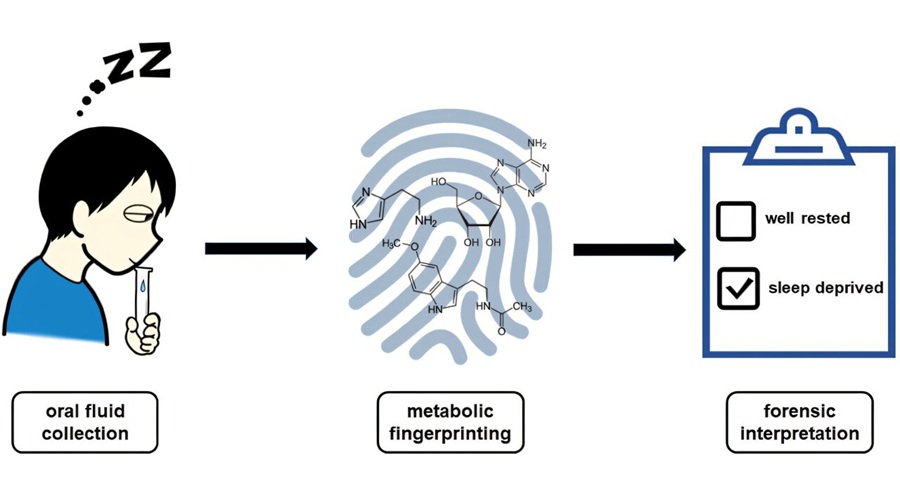
Saliva-Based Test Detects Biochemical Signs of Sleep Loss
Acute sleep loss impairs cognition and motor skills, raising safety risks that resemble alcohol intoxication. Clinicians currently lack an objective biochemical test to determine when someone is dangerously... Read more
Simple Dual-Tau Blood Test Detects and Stages Alzheimer’s Disease
Alzheimer’s disease is typically confirmed and staged with positron emission tomography scans and cerebrospinal fluid testing, procedures that are costly and invasive. Broader access to minimally invasive... Read more
Alzheimer’s Blood Biomarkers Linked to Early Cognitive Differences Before Dementia
Blood-based screening for Alzheimer’s disease offers a noninvasive, lower-cost alternative to brain imaging or spinal fluid testing, yet its ability to flag the earliest cognitive changes has been unclear.... Read more
Molecular Diagnostics
view channel
New PCR Assay Supports Bundibugyo Ebola Outbreak Surveillance
Rapid identification of Ebola infections is essential to limit transmission and guide public health response, yet detection can be difficult when outbreaks involve rare variants. The current outbreaks... Read more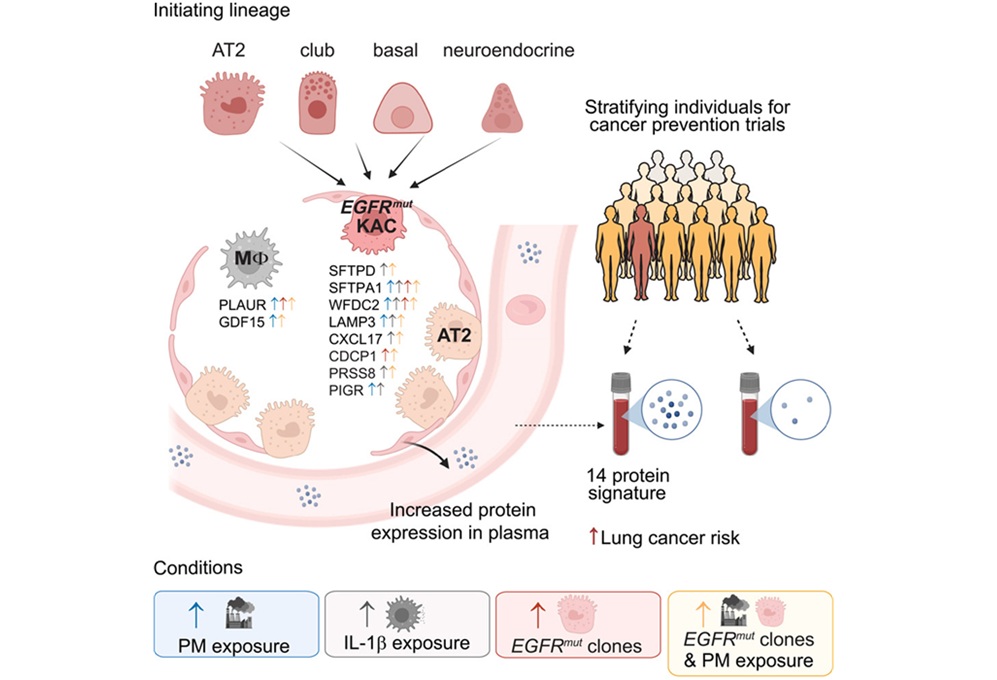
Plasma Protein Signature Predicts Lung Cancer Risk Up to Five Years Ahead
Lung cancer remains a leading cause of cancer death, and many cases are detected only after symptoms appear. Current screening programs largely target people with a history of smoking, leaving other at-risk... Read more

Hematology
view channel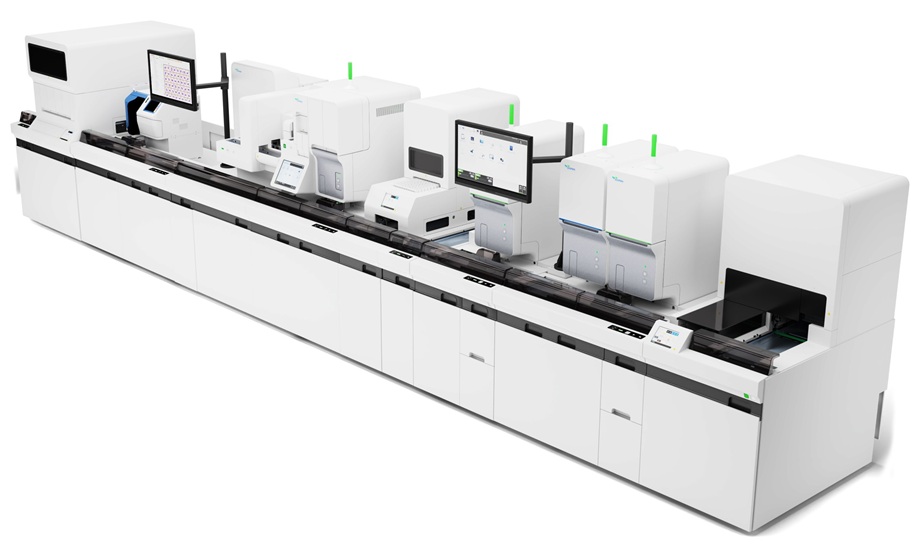
Next-Generation Hematology Platform Streamlines High-Complexity Lab Workflows
Sysmex America (Chicago, IL, USA) has introduced the next generation XR-Series, centered on the XR-10 Automated Hematology Module for high-complexity laboratories. The platform builds on the widely used... Read more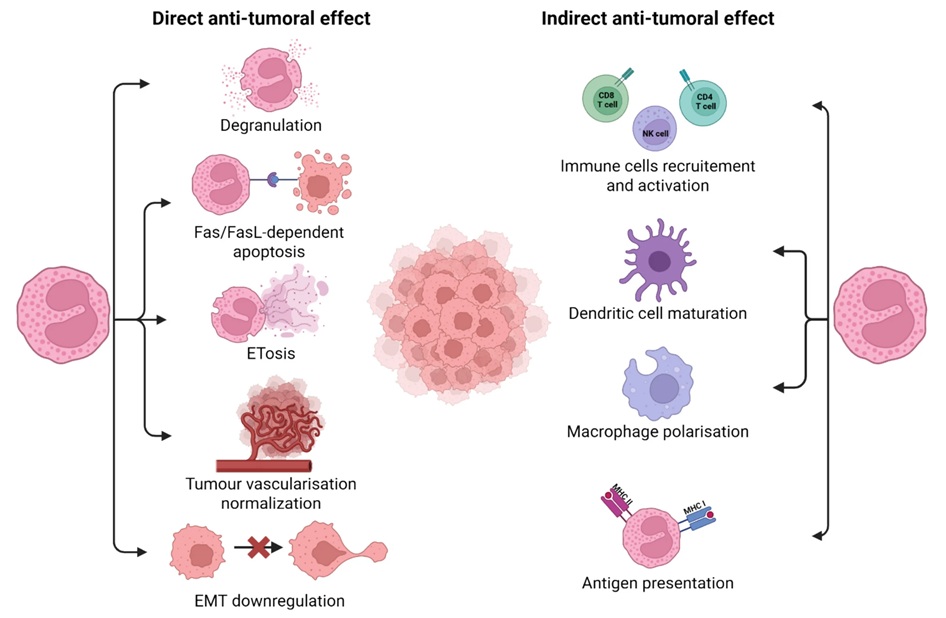
Blood Eosinophil Count May Predict Cancer Immunotherapy Response and Toxicity
Immune checkpoint inhibitors have improved outcomes across many cancers, yet only a subset of patients derive durable benefit and biomarkers to guide treatment remain limited. Eosinophils, best known for... Read more
Microbiology
view channel
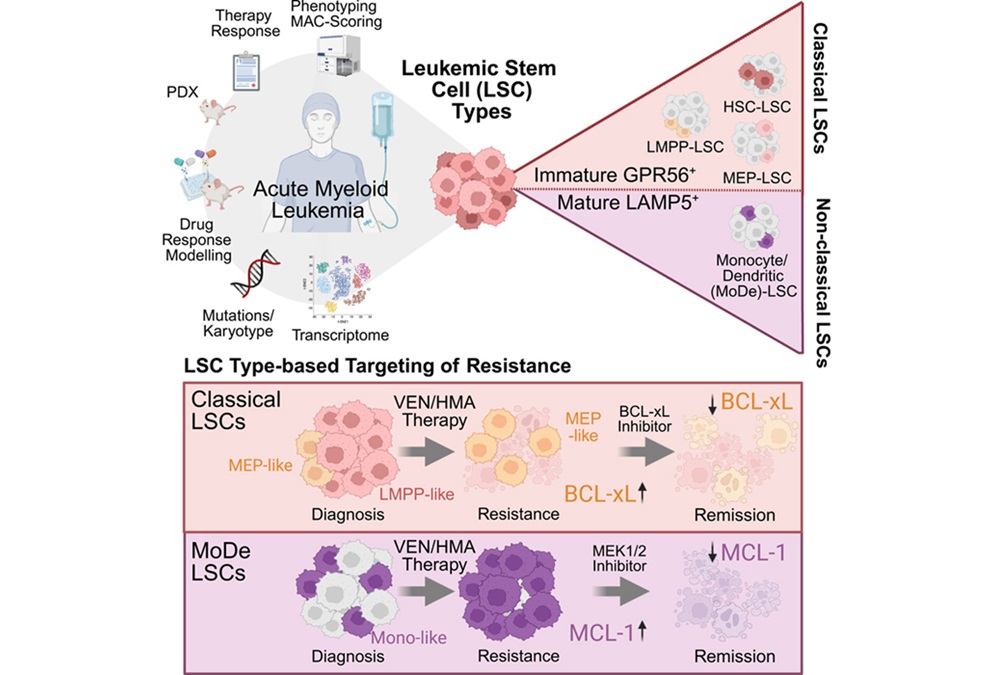
New Culture Medium Speeds C. difficile Resistance Detection and Reduces Costs
Clostridioides difficile infections remain a persistent threat in hospitals and communities, affecting about 500,000 people in the United States each year. Severe cases can be fatal within 30 days of diagnosis,... Read more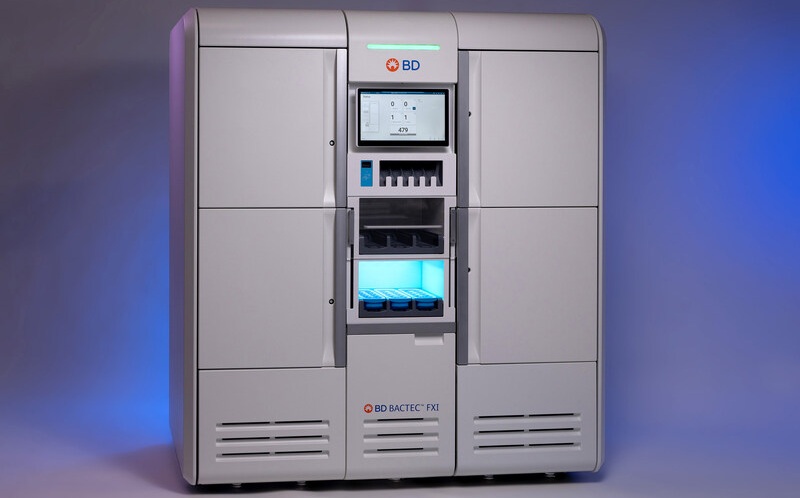
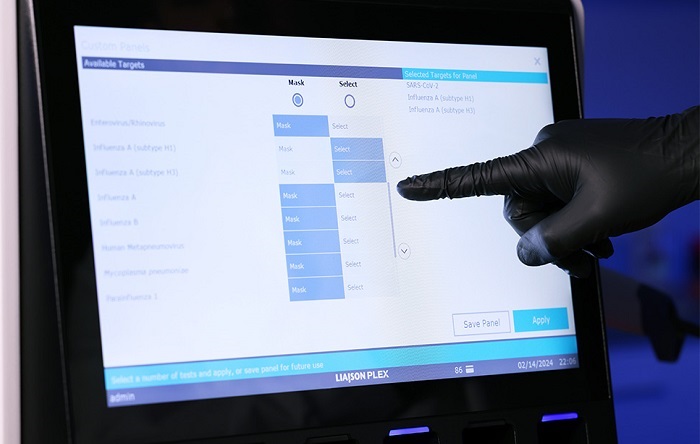
Automated Blood Culture System Speeds Detection of Bloodstream Infections
Bloodstream infections and sepsis require rapid laboratory detection to guide targeted antimicrobial therapy and reduce mortality. Conventional blood culture workflows can delay actionable results by critical... Read more
Pathology
view channel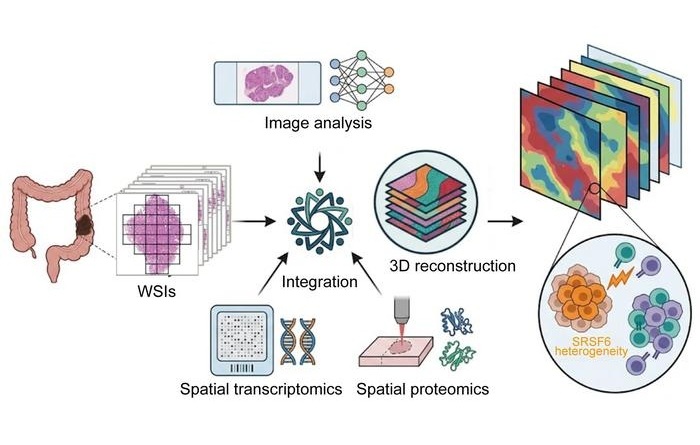
3D Spatial Multi-Omics Maps Intra-Tumor Diversity in Colorectal Cancer
Colorectal cancer remains a leading cause of cancer death, and clinical decision-making is complicated by marked intra-tumor heterogeneity. Conventional bulk sequencing averages molecular signals across... Read more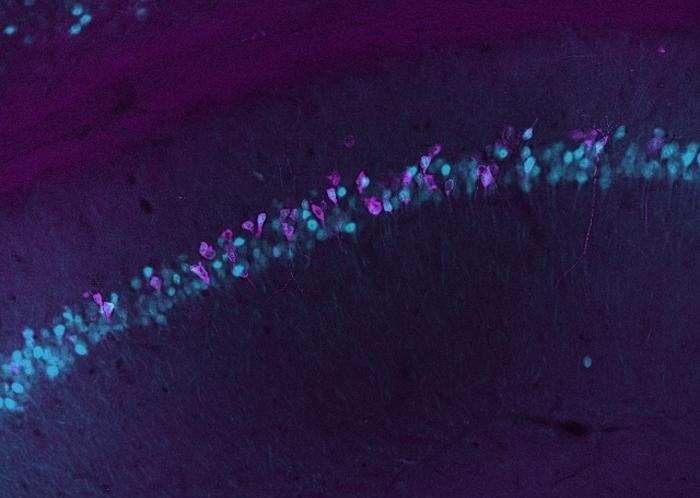
Blood-Based Method Tracks Gene Activity in the Living Brain
Real-time measurement of gene activity in the brain has been limited by assays requiring destructive tissue sampling. Tracking active genes could reveal how the body responds to environmental factors,... Read more
Technology
view channel
AI Platform Links Biomarker Results to Cancer Clinical Trials and Guidelines
Oncology teams must manage growing volumes of genomic data, rapidly evolving clinical trial options, and frequently updated care guidelines, all within tight clinic schedules. Translating complex tumor... Read more
Agentic AI Platform Supports Genomic Decision-Making in Oncology
Oncology care teams increasingly face the challenge of managing complex molecular diagnostics, evolving treatment options, and extensive electronic health record documentation. Translating multimodal data... Read more

Industry
view channel
Collaboration Advances ctDNA-Guided Development in Metastatic Colorectal Cancer
Natera, Inc. (Austin, TX, USA) and CytoDyn Inc. (Vancouver, WA, USA) announced a strategic collaboration focused on metastatic colorectal cancer (mCRC). Under the agreement, Natera will evaluate circulating... Read more