Hemoglobin A1c Preferred to Glucose for Diabetes Diagnosis
|
By LabMedica International staff writers Posted on 27 Jul 2009 |


|
Hemoglobin A1c (HbA1c) was an accepted and reliable measure of long-term glycemic control in diabetics, whereas glucose has been the "gold standard” for diabetes diagnosis. Chemical societies and laboratories have to deal with a surprising recommendation to measure HbA1c rather than glucose for diagnosis of diabetes.
The new recommendation was discussed at the American Association for Clinical Chemistry's (AACC) 2009 annual meeting, which was held in Chicago, IL, (USA) from July 19-23, 2009. A seminar at the meeting focused on the American Diabetes Association/European Association for the Study of Diabetes (ADA/EASD) criteria for screening and diagnosing diabetes; the ADA criteria for diagnosing diabetes in pregnant women; and the use of handheld glucose meters in intensive care unit (ICU) patients.
Dr. David B. Sacks, from Brigham and Women's Hospital (Boston, MA, USA), reported that the new recommendation to measure HbA1c rather than glucose for diagnosis of diabetes is a major departure from all prior guidelines. He said, "Although the specific details of the recommendations to be proposed by these bodies have not been decided, it appears highly likely that all of the major clinical diabetes organizations will adopt HbA1c measurement for the diagnosis of diabetes.”
Related Links:
Brigham and Women's Hospital




The new recommendation was discussed at the American Association for Clinical Chemistry's (AACC) 2009 annual meeting, which was held in Chicago, IL, (USA) from July 19-23, 2009. A seminar at the meeting focused on the American Diabetes Association/European Association for the Study of Diabetes (ADA/EASD) criteria for screening and diagnosing diabetes; the ADA criteria for diagnosing diabetes in pregnant women; and the use of handheld glucose meters in intensive care unit (ICU) patients.
Dr. David B. Sacks, from Brigham and Women's Hospital (Boston, MA, USA), reported that the new recommendation to measure HbA1c rather than glucose for diagnosis of diabetes is a major departure from all prior guidelines. He said, "Although the specific details of the recommendations to be proposed by these bodies have not been decided, it appears highly likely that all of the major clinical diabetes organizations will adopt HbA1c measurement for the diagnosis of diabetes.”
Related Links:
Brigham and Women's Hospital

Gold Member
Automatic Hematology Analyzer
CF9600
Japanese Encephalitis Test
Japanese Encephalitis Virus Real Time PCR Kit
Automated Urinalysis Solution
UN-9000
Latest Hematology News
- Next-Generation Hematology Platform Streamlines High-Complexity Lab Workflows
- Blood Eosinophil Count May Predict Cancer Immunotherapy Response and Toxicity
- Higher Ferritin Threshold May Improve Iron Deficiency Detection in Children
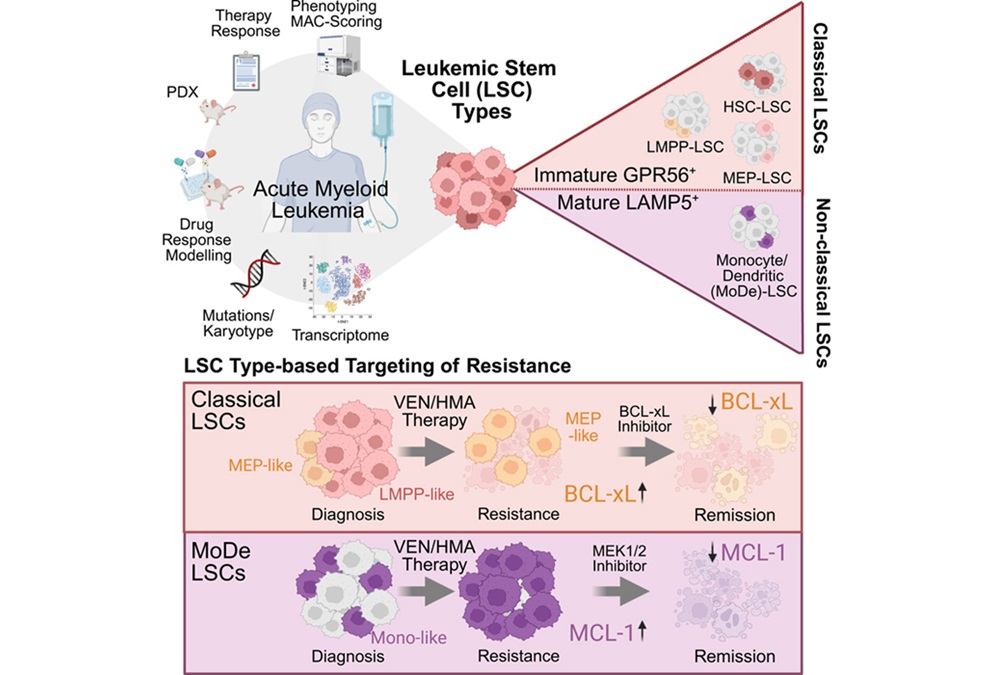
- Stem Cell Biomarkers May Guide Precision Treatment in Acute Myeloid Leukemia
- Advanced CBC-Derived Indices Integrated into Hematology Platforms
- Blood Test Enables Early Detection of Multiple Myeloma Relapse
- Single Assay Enables Rapid HLA and ABO Genotyping for Transplant Matching
- Prognostic Biomarker Identified in Diffuse Large B-Cell Lymphoma
- Routine Blood Test Parameters Link Anemia to Cancer Risk and Mortality
- Prognostic Tool Guides Personalized Treatment in Rare Blood Cancer
- New Platelet Function Assay Enables Monitoring of Antiplatelet Therapy
- Open Multi-Omics Platform Identifies Prognostic Subtypes in Blood Cancers
- AI-Powered Digital Workflow Standardizes Bone Marrow Aspirate Morphology
- Rapid Cartridge-Based Test Aims to Expand Access to Hemoglobin Disorder Diagnosis
- New Guidelines Aim to Improve AL Amyloidosis Diagnosis
- Automated Hemostasis System Helps Labs of All Sizes Optimize Workflow
Channels
Molecular Diagnostics
view channel
New PCR Assay Supports Bundibugyo Ebola Outbreak Surveillance
Rapid identification of Ebola infections is essential to limit transmission and guide public health response, yet detection can be difficult when outbreaks involve rare variants. The current outbreaks... Read more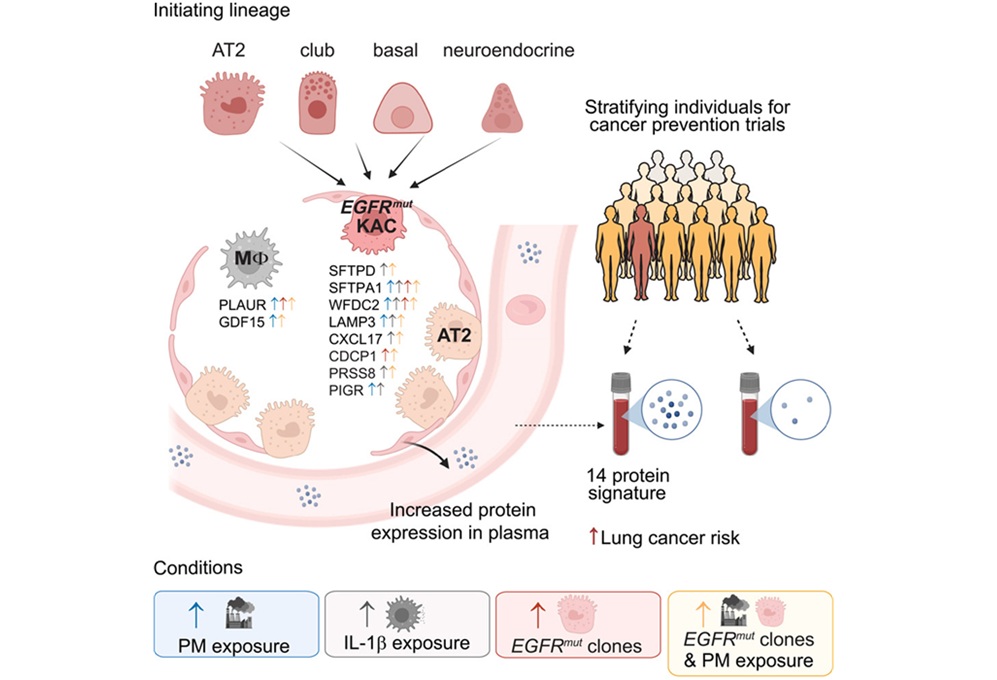
Plasma Protein Signature Predicts Lung Cancer Risk Up to Five Years Ahead
Lung cancer remains a leading cause of cancer death, and many cases are detected only after symptoms appear. Current screening programs largely target people with a history of smoking, leaving other at-risk... Read more
Hematology
view channel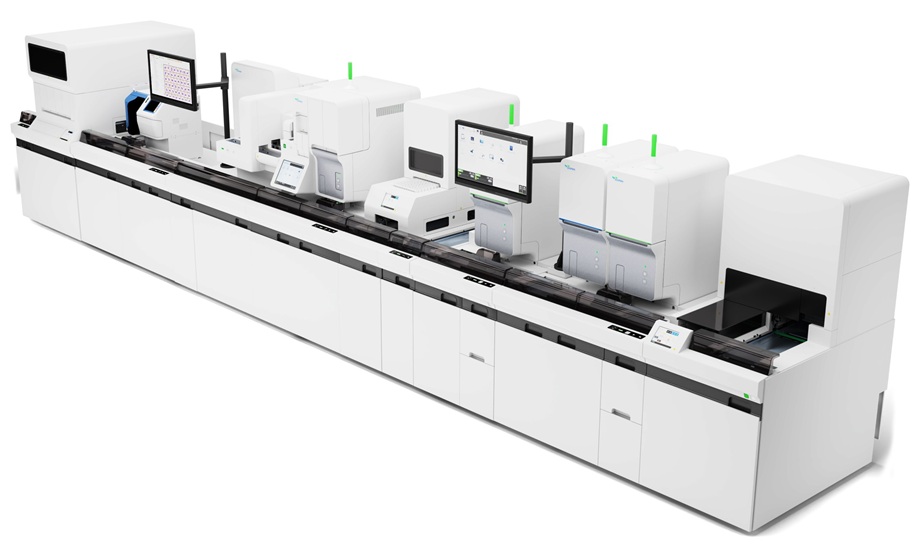
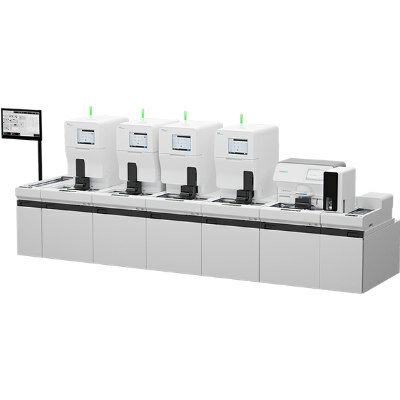
Next-Generation Hematology Platform Streamlines High-Complexity Lab Workflows
Sysmex America (Chicago, IL, USA) has introduced the next generation XR-Series, centered on the XR-10 Automated Hematology Module for high-complexity laboratories. The platform builds on the widely used... Read more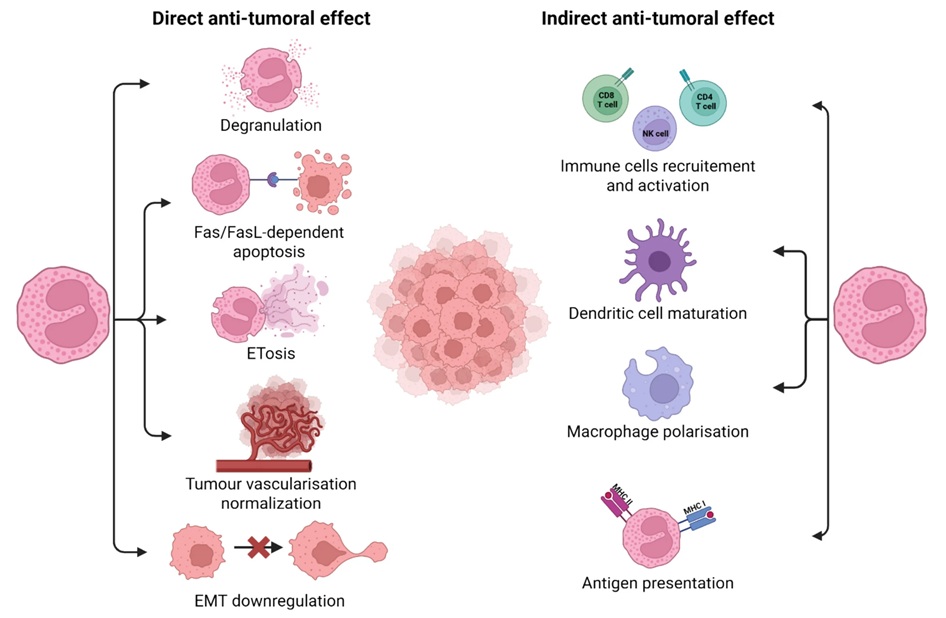
Blood Eosinophil Count May Predict Cancer Immunotherapy Response and Toxicity
Immune checkpoint inhibitors have improved outcomes across many cancers, yet only a subset of patients derive durable benefit and biomarkers to guide treatment remain limited. Eosinophils, best known for... Read more
Immunology
view channel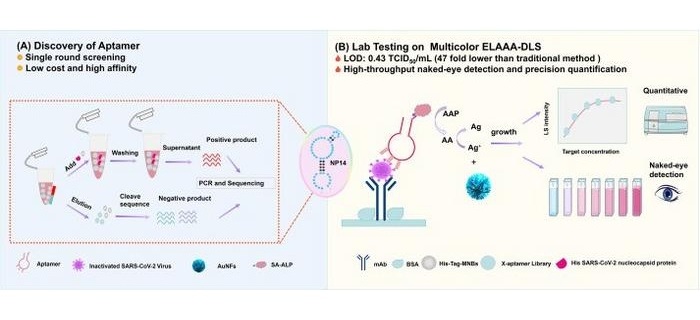
Aptamer-Based Biosensor Enables Mutation-Resilient SARS-CoV-2 Detection
Rapid evolution of severe acute respiratory syndrome coronavirus 2 (SARS-CoV-2) can undermine existing molecular diagnostics, especially when assays target small viral components. Double-antibody sandwich... Read more
Study Points to Autoimmune Pathway Behind Long COVID Symptoms
Long COVID leaves many SARS-CoV-2 survivors with persistent fatigue, cognitive issues, palpitations, and musculoskeletal pain for months or years. Estimates cited in new research suggest 4%–20% of infected... Read more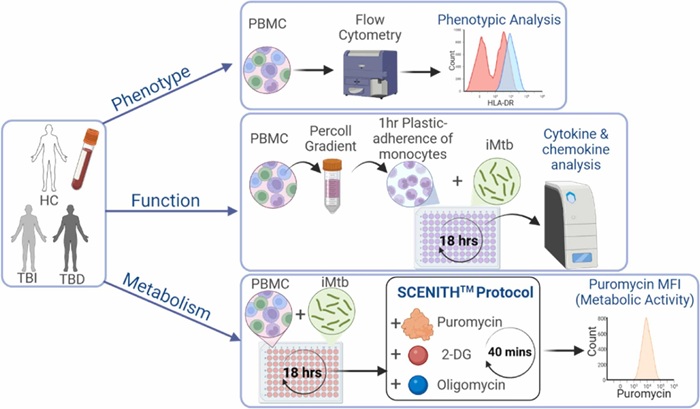
Metabolic Biomarker Distinguishes Latent from Active Tuberculosis and Tracks Treatment Response
Tuberculosis (TB) remains the world’s leading infectious killer, with 10.8 million cases and 1.25 million deaths recorded globally in 2023. Yet many infected individuals never develop active disease, underscoring... Read more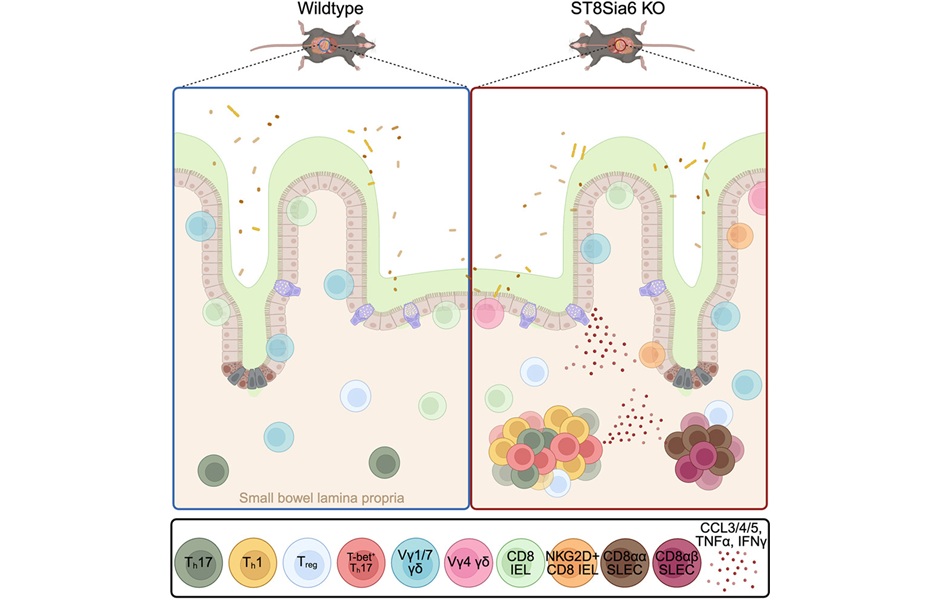
Microbiology
view channel
New Culture Medium Speeds C. difficile Resistance Detection and Reduces Costs
Clostridioides difficile infections remain a persistent threat in hospitals and communities, affecting about 500,000 people in the United States each year. Severe cases can be fatal within 30 days of diagnosis,... Read more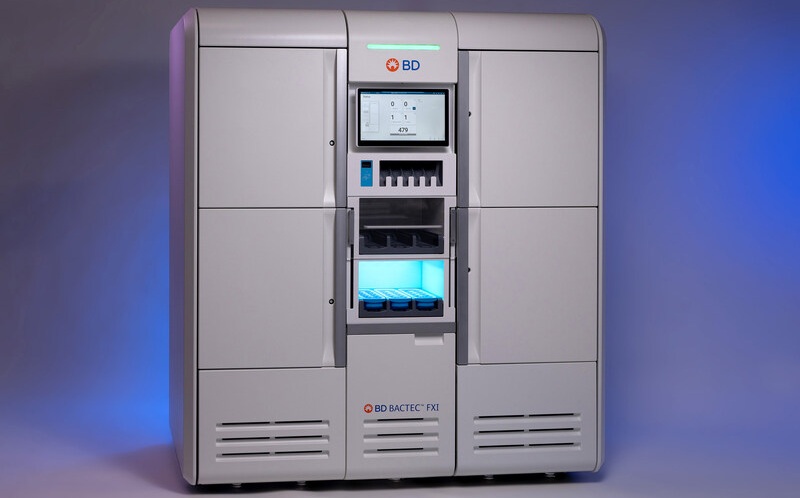
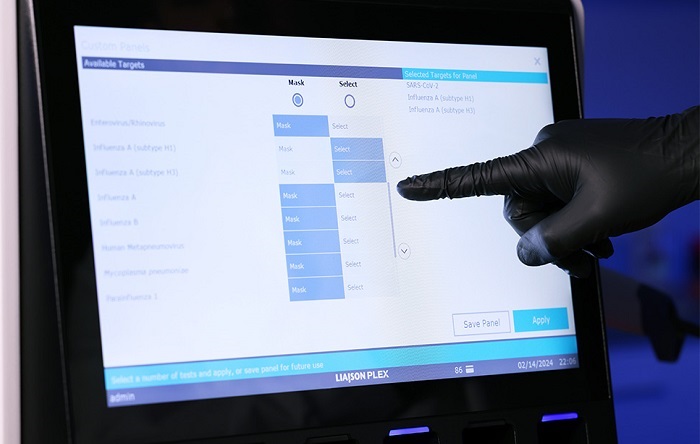
Automated Blood Culture System Speeds Detection of Bloodstream Infections
Bloodstream infections and sepsis require rapid laboratory detection to guide targeted antimicrobial therapy and reduce mortality. Conventional blood culture workflows can delay actionable results by critical... Read more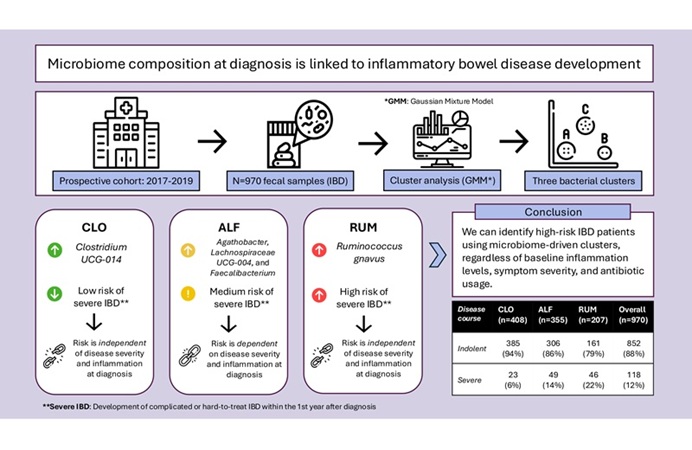
Pathology
view channel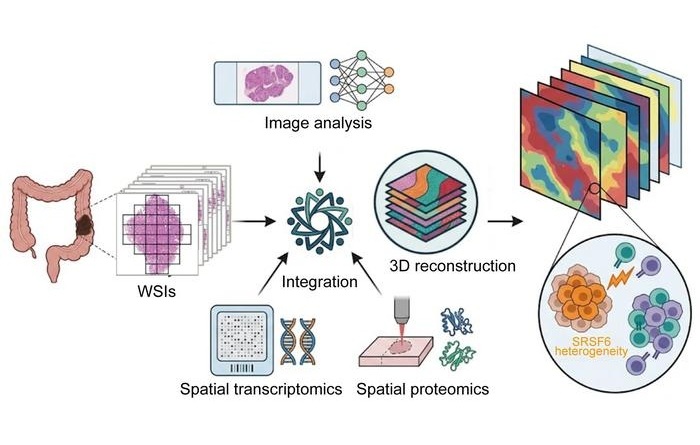
3D Spatial Multi-Omics Maps Intra-Tumor Diversity in Colorectal Cancer
Colorectal cancer remains a leading cause of cancer death, and clinical decision-making is complicated by marked intra-tumor heterogeneity. Conventional bulk sequencing averages molecular signals across... Read more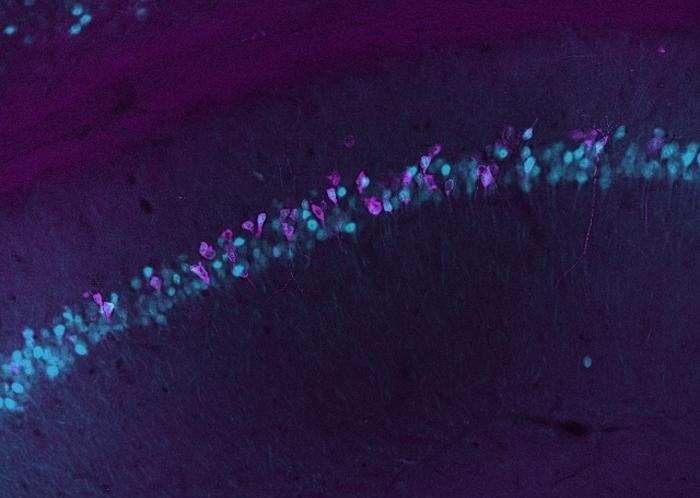
Blood-Based Method Tracks Gene Activity in the Living Brain
Real-time measurement of gene activity in the brain has been limited by assays requiring destructive tissue sampling. Tracking active genes could reveal how the body responds to environmental factors,... Read more
Technology
view channel
AI Platform Links Biomarker Results to Cancer Clinical Trials and Guidelines
Oncology teams must manage growing volumes of genomic data, rapidly evolving clinical trial options, and frequently updated care guidelines, all within tight clinic schedules. Translating complex tumor... Read more
Agentic AI Platform Supports Genomic Decision-Making in Oncology
Oncology care teams increasingly face the challenge of managing complex molecular diagnostics, evolving treatment options, and extensive electronic health record documentation. Translating multimodal data... Read more
Industry
view channel
Collaboration Advances ctDNA-Guided Development in Metastatic Colorectal Cancer
Natera, Inc. (Austin, TX, USA) and CytoDyn Inc. (Vancouver, WA, USA) announced a strategic collaboration focused on metastatic colorectal cancer (mCRC). Under the agreement, Natera will evaluate circulating... Read more