Scientists and Nonprofit Organizations Develop Affordable Diagnostics
|
By LabMedica International staff writers Posted on 24 Mar 2009 |


|
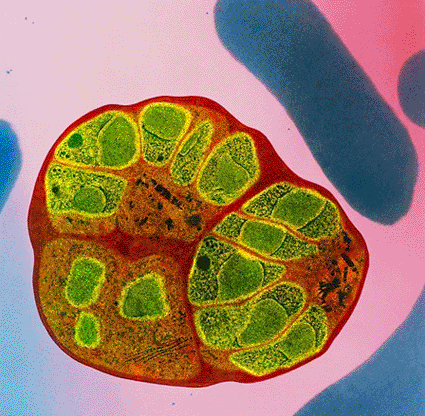
Image: Colored transmission electron micrograph (TEM) of a human red blood cell infected by the malaria parasite, a protozoa of the genus Plasmodium (Photo courtesy of Moredun Scientific).
A number of scientists and nonprofit organizations are developing high-performance, affordable diagnostics that can withstand the harsh conditions, such as tropical climates and unreliable sources of electricity and clean water, often found in developing countries and other limited-resource settings. Such technologies might eventually help lower health care costs in developed countries.
For the developing world, infectious diseases, especially HIV/AIDS, tuberculosis, and malaria, top the list of priorities for which better, more practical, and affordable diagnostics are sorely needed. Bernhard Weigl, leader of the diagnostic development group at the nonprofit Program for Appropriate Technologies in Health (PATH; Seattle, WA, USA) wants to make diagnostics for limited-resource settings instrument-free, even with tests that have traditionally required instruments, such as those based on nucleic acid amplification. He said "The only assays that really have made an impact so far in low-resource settings are devices or assays that don't require instruments." He has visited many labs in developing countries where instruments are in an unusable condition. "The only assays that are being used regularly are things like strip kits, where you just buy the kit and run it," he added.
The team at PATH is working on instrument-free ways of amplifying and detecting pathogenic nucleic acids from patients. Instead of the temperature-cycling instrument normally required to amplify nucleic acids by the polymerase chain reaction (PCR), they use exothermic reactions, with reagents similar to those found in camping hand warmers, to provide the heat needed.
Paul Yager, a bioengineering professor at the University of Washington, (Seattle, WA, USA) thinks that expecting all assays for use in developing countries to be instrument-free is an oversimplification. "You want the assays to work where they're needed," Professor Yager said. "You minimize the power requirements, you minimize the weight, you minimize the complexity, you minimize the cost. But if it needs an instrument, it needs an instrument."
Professor Yager heads a project to develop a diagnostic system, called the DxBox, to be used for infectious-disease monitoring in limited-resource setting. The DxBox reduces the power requirements for PCR by simply shuttling the sample back and forth between heated zones in the instrument, rather than repeatedly heating and cooling a single part of the instrument. Such an approach has the added advantage of speeding up the analysis because you no longer need to wait for the temperature to cycle.
The team set a goal of distinguishing six diseases that are common in the developing world and involve a rapid-onset fever and other undifferentiated symptoms. The pathogens associated with the diseases include three RNA viruses, the malaria parasite Plasmodium falciparum, and two bacteria.
Another initiative is the CD4 Initiative, run by Imperial College London. The initiative was launched in 2005 with an initial award of $8.6 million and a goal of developing a low-cost, instrument-free test for measuring CD4 T cells in HIV/AIDS patients. CD4 T-cell counts are used to determine whether antiretroviral therapy is needed and how well it is working. Three of six original subcontractors supported by the initiative are still participating: Beckman Coulter, (Miami, FL, USA), Zyomyx (Hayward, CA, USA), and the Macfarlane Burnet Institute for Medical Research & Public Health (Melbourne, Australia).
The Burnet Institute's test is based on traditional lateral-flow technology, such as that used in home pregnancy tests, but the other two incorporate novel technology. The Beckman Coulter assay allows visual identification of CD4 cells from whole blood. A blood sample is placed onto a slide loaded with CD4-capture reagents, and lines appear at different spots on the slide depending on the number of CD4 cells in the sample. Zyomyx' assay uses CD4-binding reagents to pull CD4 cells from a blood sample and transfer them to a volumetric region of the device where the volume of the cells can be read from the height of a dark line, similar to how a thermometer is read.
In the future, the focus may shift from detecting infectious diseases to monitoring endocrine diseases, such as diabetes. Professor George Whitesides at Harvard (Cambridge, MA, USA) is developing three-dimensional paper microfluidic devices that could provide a way to do quantitative, low-cost glucose testing. A nonprofit organization called Diagnostics for All (DFA) has been established to develop paper microfluidic devices. The first multiplexed test will be a panel test for liver function.
The new diagnostic methods are described in the March 16, 2009, issue of Chemical & Engineering News, ACS' weekly newsmagazine.
Related Links:
Program for Appropriate Technologies in Health
University of Washington
Beckman Coulter
Zyomyx
Macfarlane Burnet Institute
Harvard
Diagnostics for All





For the developing world, infectious diseases, especially HIV/AIDS, tuberculosis, and malaria, top the list of priorities for which better, more practical, and affordable diagnostics are sorely needed. Bernhard Weigl, leader of the diagnostic development group at the nonprofit Program for Appropriate Technologies in Health (PATH; Seattle, WA, USA) wants to make diagnostics for limited-resource settings instrument-free, even with tests that have traditionally required instruments, such as those based on nucleic acid amplification. He said "The only assays that really have made an impact so far in low-resource settings are devices or assays that don't require instruments." He has visited many labs in developing countries where instruments are in an unusable condition. "The only assays that are being used regularly are things like strip kits, where you just buy the kit and run it," he added.
The team at PATH is working on instrument-free ways of amplifying and detecting pathogenic nucleic acids from patients. Instead of the temperature-cycling instrument normally required to amplify nucleic acids by the polymerase chain reaction (PCR), they use exothermic reactions, with reagents similar to those found in camping hand warmers, to provide the heat needed.
Paul Yager, a bioengineering professor at the University of Washington, (Seattle, WA, USA) thinks that expecting all assays for use in developing countries to be instrument-free is an oversimplification. "You want the assays to work where they're needed," Professor Yager said. "You minimize the power requirements, you minimize the weight, you minimize the complexity, you minimize the cost. But if it needs an instrument, it needs an instrument."
Professor Yager heads a project to develop a diagnostic system, called the DxBox, to be used for infectious-disease monitoring in limited-resource setting. The DxBox reduces the power requirements for PCR by simply shuttling the sample back and forth between heated zones in the instrument, rather than repeatedly heating and cooling a single part of the instrument. Such an approach has the added advantage of speeding up the analysis because you no longer need to wait for the temperature to cycle.
The team set a goal of distinguishing six diseases that are common in the developing world and involve a rapid-onset fever and other undifferentiated symptoms. The pathogens associated with the diseases include three RNA viruses, the malaria parasite Plasmodium falciparum, and two bacteria.
Another initiative is the CD4 Initiative, run by Imperial College London. The initiative was launched in 2005 with an initial award of $8.6 million and a goal of developing a low-cost, instrument-free test for measuring CD4 T cells in HIV/AIDS patients. CD4 T-cell counts are used to determine whether antiretroviral therapy is needed and how well it is working. Three of six original subcontractors supported by the initiative are still participating: Beckman Coulter, (Miami, FL, USA), Zyomyx (Hayward, CA, USA), and the Macfarlane Burnet Institute for Medical Research & Public Health (Melbourne, Australia).
The Burnet Institute's test is based on traditional lateral-flow technology, such as that used in home pregnancy tests, but the other two incorporate novel technology. The Beckman Coulter assay allows visual identification of CD4 cells from whole blood. A blood sample is placed onto a slide loaded with CD4-capture reagents, and lines appear at different spots on the slide depending on the number of CD4 cells in the sample. Zyomyx' assay uses CD4-binding reagents to pull CD4 cells from a blood sample and transfer them to a volumetric region of the device where the volume of the cells can be read from the height of a dark line, similar to how a thermometer is read.
In the future, the focus may shift from detecting infectious diseases to monitoring endocrine diseases, such as diabetes. Professor George Whitesides at Harvard (Cambridge, MA, USA) is developing three-dimensional paper microfluidic devices that could provide a way to do quantitative, low-cost glucose testing. A nonprofit organization called Diagnostics for All (DFA) has been established to develop paper microfluidic devices. The first multiplexed test will be a panel test for liver function.
The new diagnostic methods are described in the March 16, 2009, issue of Chemical & Engineering News, ACS' weekly newsmagazine.
Related Links:
Program for Appropriate Technologies in Health
University of Washington
Beckman Coulter
Zyomyx
Macfarlane Burnet Institute
Harvard
Diagnostics for All

Gold Member
Neonatal Heel Incision Device
Tenderfoot
HPV Test
Allplex HPV28 Detection
POC Immunoassay Analyzer
Procise DX
Latest Immunology News
- Aptamer-Based Biosensor Enables Mutation-Resilient SARS-CoV-2 Detection
- Metabolic Biomarker Distinguishes Latent from Active Tuberculosis and Tracks Treatment Response
- Study Points to Autoimmune Pathway Behind Long COVID Symptoms
- Immune Enzyme Linked to Treatment-Resistant Inflammatory Bowel Disease
- Simple Blood Test Could Replace Biopsies for Lung Transplant Rejection Monitoring
- Routine TB Screening Test May Reveal Immune Aging and Mortality Risk
- Biomarkers and Molecular Testing Advance Precision Allergy Care
- Point-of-Care Tests Could Expand Access to Mpox Diagnosis
- T-Cell Senescence Profiling May Predict CAR T Responses
- Finger-Prick Lateral Flow Test Detects Sepsis Biomarkers at Point of Care
- Study Highlights Low Sensitivity of Current Lyme Tests in Early Infection
- Immune Aging Clock Quantifies Immunosenescence and Identifies Therapeutic Target
- Study Finds Influenza Often Undiagnosed in Winter Deaths
- Combined Screening Approach Identifies Early Leprosy Cases
- Antibody Blood Test Identifies Active TB and Distinguishes Latent Infection
- FDA Approval Expands Use of PD-L1 Companion Diagnostic in Esophageal and GEJ Carcinomas
Channels
Clinical Chemistry
view channel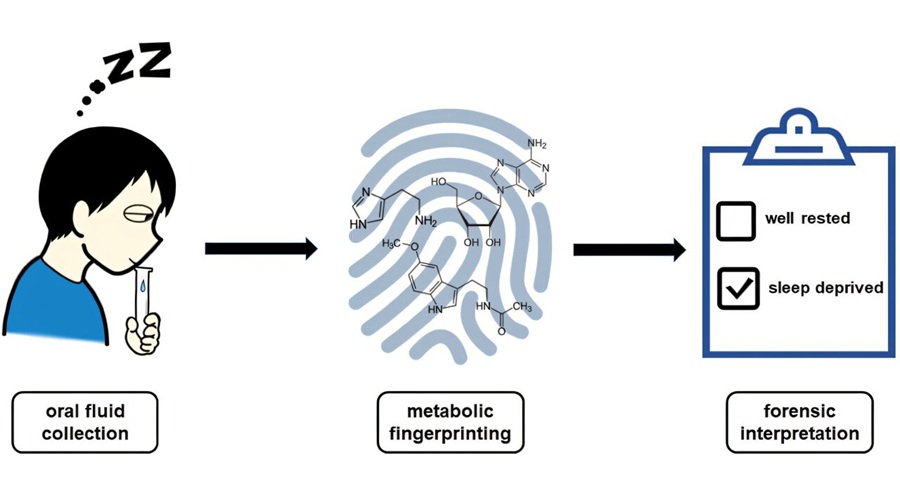
Saliva-Based Test Detects Biochemical Signs of Sleep Loss
Acute sleep loss impairs cognition and motor skills, raising safety risks that resemble alcohol intoxication. Clinicians currently lack an objective biochemical test to determine when someone is dangerously... Read more
Simple Dual-Tau Blood Test Detects and Stages Alzheimer’s Disease
Alzheimer’s disease is typically confirmed and staged with positron emission tomography scans and cerebrospinal fluid testing, procedures that are costly and invasive. Broader access to minimally invasive... Read more
Alzheimer’s Blood Biomarkers Linked to Early Cognitive Differences Before Dementia
Blood-based screening for Alzheimer’s disease offers a noninvasive, lower-cost alternative to brain imaging or spinal fluid testing, yet its ability to flag the earliest cognitive changes has been unclear.... Read more
Molecular Diagnostics
view channel
New PCR Assay Supports Bundibugyo Ebola Outbreak Surveillance
Rapid identification of Ebola infections is essential to limit transmission and guide public health response, yet detection can be difficult when outbreaks involve rare variants. The current outbreaks... Read more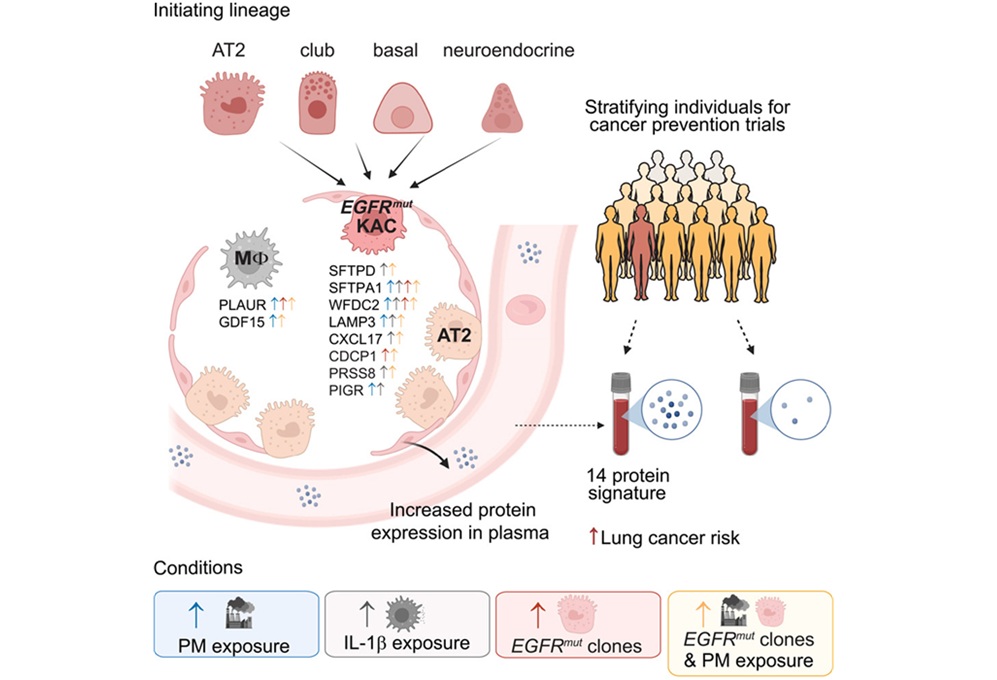
Plasma Protein Signature Predicts Lung Cancer Risk Up to Five Years Ahead
Lung cancer remains a leading cause of cancer death, and many cases are detected only after symptoms appear. Current screening programs largely target people with a history of smoking, leaving other at-risk... Read more

Hematology
view channel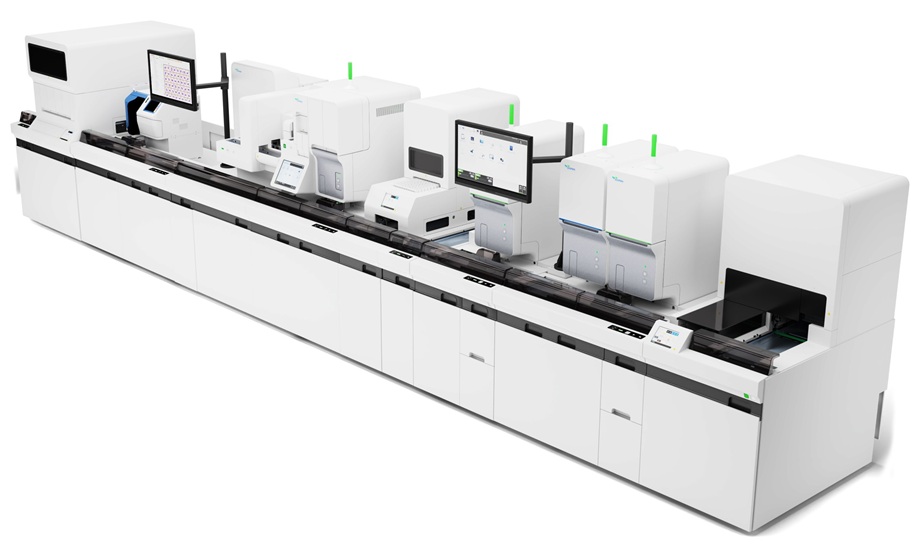
Next-Generation Hematology Platform Streamlines High-Complexity Lab Workflows
Sysmex America (Chicago, IL, USA) has introduced the next generation XR-Series, centered on the XR-10 Automated Hematology Module for high-complexity laboratories. The platform builds on the widely used... Read more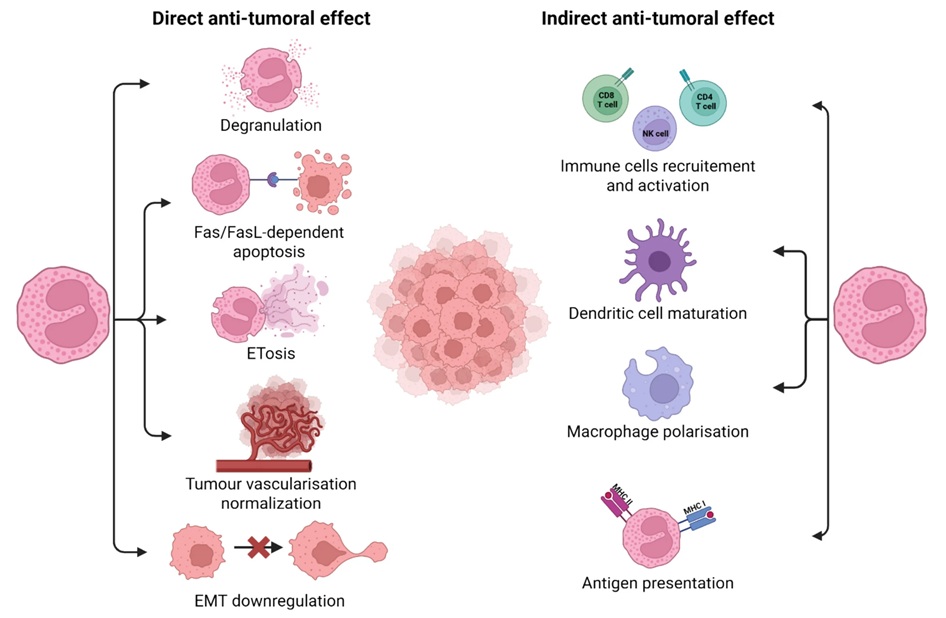
Blood Eosinophil Count May Predict Cancer Immunotherapy Response and Toxicity
Immune checkpoint inhibitors have improved outcomes across many cancers, yet only a subset of patients derive durable benefit and biomarkers to guide treatment remain limited. Eosinophils, best known for... Read more
Immunology
view channel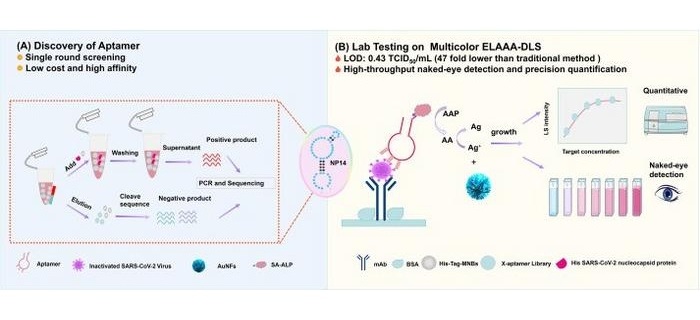
Aptamer-Based Biosensor Enables Mutation-Resilient SARS-CoV-2 Detection
Rapid evolution of severe acute respiratory syndrome coronavirus 2 (SARS-CoV-2) can undermine existing molecular diagnostics, especially when assays target small viral components. Double-antibody sandwich... Read more
Study Points to Autoimmune Pathway Behind Long COVID Symptoms
Long COVID leaves many SARS-CoV-2 survivors with persistent fatigue, cognitive issues, palpitations, and musculoskeletal pain for months or years. Estimates cited in new research suggest 4%–20% of infected... Read more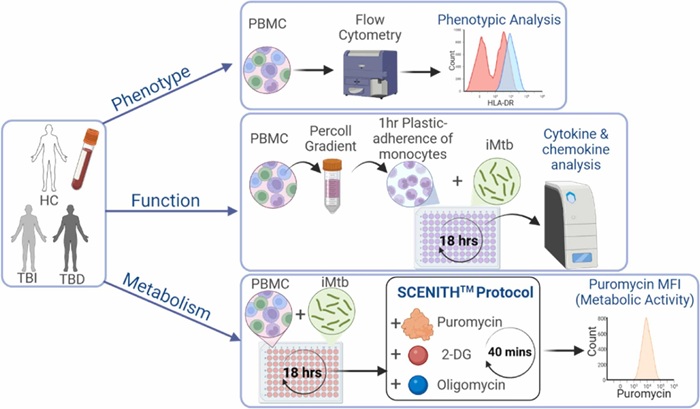
Metabolic Biomarker Distinguishes Latent from Active Tuberculosis and Tracks Treatment Response
Tuberculosis (TB) remains the world’s leading infectious killer, with 10.8 million cases and 1.25 million deaths recorded globally in 2023. Yet many infected individuals never develop active disease, underscoring... Read more
Microbiology
view channel
New Culture Medium Speeds C. difficile Resistance Detection and Reduces Costs
Clostridioides difficile infections remain a persistent threat in hospitals and communities, affecting about 500,000 people in the United States each year. Severe cases can be fatal within 30 days of diagnosis,... Read more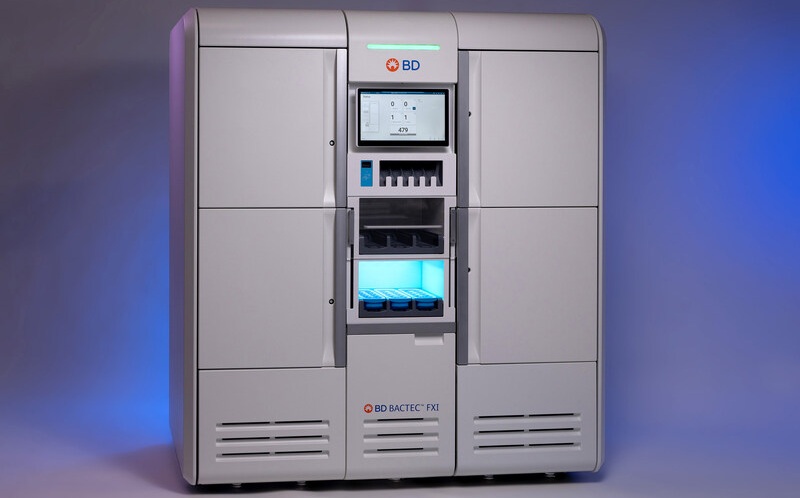
Automated Blood Culture System Speeds Detection of Bloodstream Infections
Bloodstream infections and sepsis require rapid laboratory detection to guide targeted antimicrobial therapy and reduce mortality. Conventional blood culture workflows can delay actionable results by critical... Read more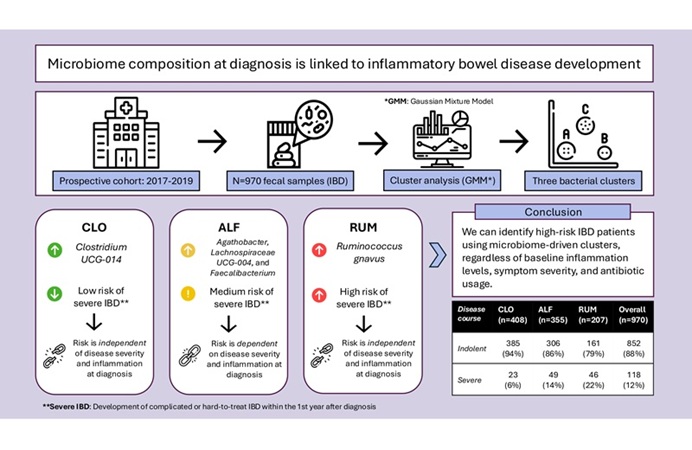
Pathology
view channel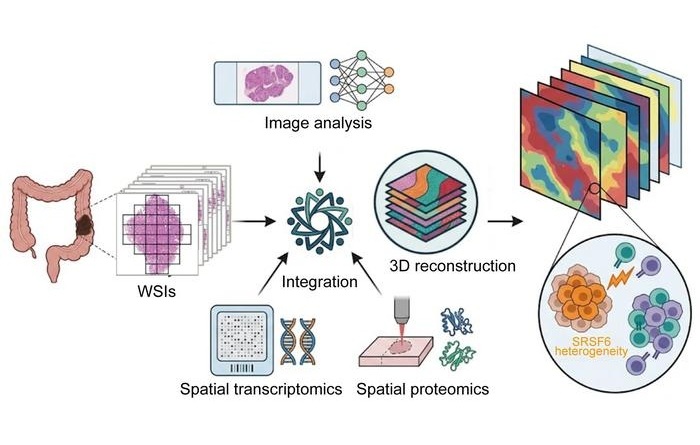
3D Spatial Multi-Omics Maps Intra-Tumor Diversity in Colorectal Cancer
Colorectal cancer remains a leading cause of cancer death, and clinical decision-making is complicated by marked intra-tumor heterogeneity. Conventional bulk sequencing averages molecular signals across... Read more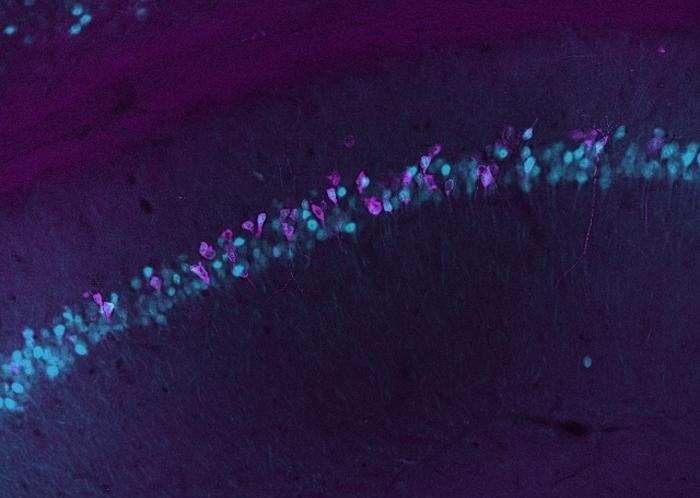
Blood-Based Method Tracks Gene Activity in the Living Brain
Real-time measurement of gene activity in the brain has been limited by assays requiring destructive tissue sampling. Tracking active genes could reveal how the body responds to environmental factors,... Read more
Industry
view channel
Collaboration Advances ctDNA-Guided Development in Metastatic Colorectal Cancer
Natera, Inc. (Austin, TX, USA) and CytoDyn Inc. (Vancouver, WA, USA) announced a strategic collaboration focused on metastatic colorectal cancer (mCRC). Under the agreement, Natera will evaluate circulating... Read more